By Socrates Smythe Saywon | Smart News Liberia
MONROVIA – The Government of Liberia has issued a new nationwide Ebola travel advisory and activated heightened surveillance measures at all major entry points following renewed outbreaks of the deadly Ebola Virus Disease in the Democratic Republic of Congo and Uganda, reviving painful memories of the devastating epidemic that once crippled Liberia and claimed thousands of lives across West Africa.
In Travel Advisory No. 01 issued on May 25, 2026, the Ministry of Health and the National Public Health Institute of Liberia announced immediate precautionary measures after the World Health Organization declared the Ebola outbreaks in the Democratic Republic of Congo and Uganda a Public Health Emergency of International Concern on May 16, 2026.
The move comes amid growing international concern over the rapid spread of Ebola cases in parts of Central and East Africa, particularly in the Democratic Republic of Congo, where health authorities continue struggling to contain transmission in affected communities. Uganda has also reported confirmed Ebola cases, prompting fears of cross-border spread and renewed regional vulnerability.
For Liberia, the latest developments are more than a distant international health concern. They reopen memories of one of the darkest public health tragedies in the country’s modern history. Between 2014 and 2016, Liberia was among the West African nations hardest hit by the Ebola epidemic, alongside Sierra Leone and Guinea. Entire communities were devastated as families lost loved ones, healthcare workers died in large numbers, and already fragile health systems nearly collapsed under the pressure of the outbreak.
The Ebola crisis left deep psychological scars across Liberia. Schools were shut down, businesses collapsed, international travel restrictions intensified, and fear spread rapidly through communities as the virus claimed lives at an alarming pace. Thousands of Liberians died during the epidemic, while many survivors and frontline health workers continue to carry emotional and social trauma years later.
Against that backdrop, the Ministry of Health (MoH) and National Public Health Institute of Liberia (NPHIL) say the country cannot afford complacency. The latest advisory confirms that all travelers arriving from or transiting through Uganda or the Democratic Republic of Congo will now be subjected to enhanced surveillance procedures, including mandatory travel history disclosure and health screening measures at airports, seaports, and land borders.
Under the new measures, all incoming travelers will be required to complete Travelers’ Surveillance Forms either onboard aircraft or upon arrival in Liberia. Health officers at points of entry will conduct temperature checks and monitor passengers for signs or symptoms consistent with Ebola Virus Disease or other infectious illnesses.
The two health also announced that travelers will receive public health guidance encouraging self-monitoring and immediate reporting of suspicious symptoms to nearby health facilities or through Liberia’s emergency toll-free line 4455. The government further urged strict adherence to infection prevention measures, including frequent handwashing, use of sanitizers, and avoidance of unnecessary physical contact.
The advisory additionally warns that any aircraft, vessel, vehicle, cargo, or human remains suspected of contamination linked to Ebola or other infectious diseases will undergo mandatory decontamination procedures at points of entry to prevent possible transmission within Liberia.
The Liberian government has also strongly discouraged non-essential travel to Ebola-affected countries, reflecting growing fears that increased international movement could heighten the risk of imported infections into West Africa. Public health experts warn that globalization, frequent travel, and porous regional borders continue to make African countries vulnerable to cross-border outbreaks.
Despite the heightened alert, the government emphasized that Liberia currently has no confirmed case of Ebola Virus Disease. Health authorities insist that the country’s surveillance and preparedness systems are being reinforced strictly as preventive measures designed to protect public safety and strengthen early detection capacity.
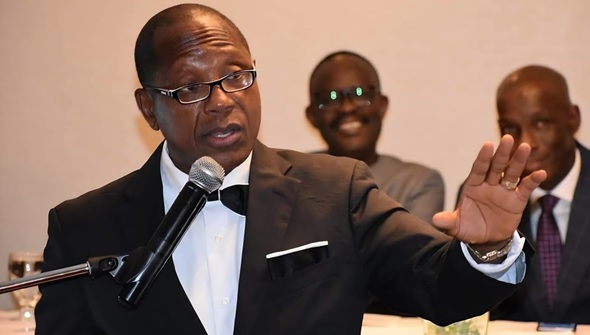
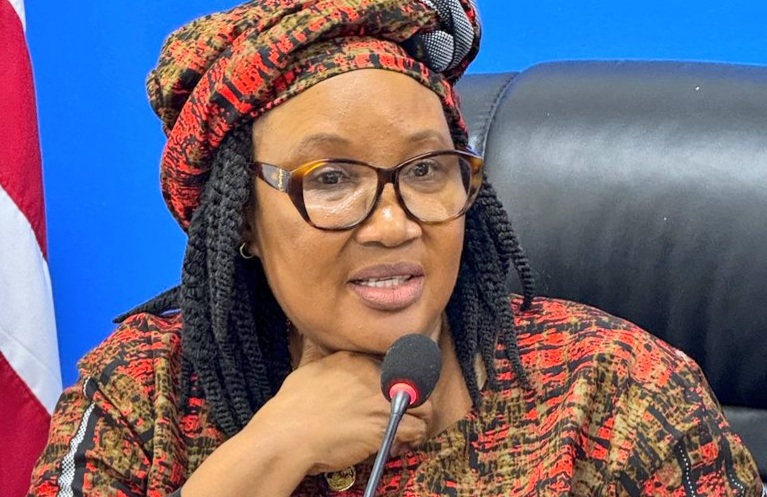
The advisory was signed by Dr. Sia Wata Camara, Interim Director General of NPHIL and approved by Dr. Louise Mapleh Kpoto, Ministry of Health both of whom stressed the need for public vigilance without panic as Liberia responds to the evolving regional health situation.
The latest advisory also comes at a politically sensitive moment following recent public anxiety and controversy surrounding Ebola-related claims circulating on social media in Liberia. Health authorities have repeatedly warned citizens against spreading misinformation while urging the public to rely on verified official health updates.
Liberians both at home and abroad, particularly on Facebook and other social media platforms, say Liberia’s response reflects lessons learned from the country’s painful Ebola experience more than a decade ago. During the 2014 outbreak, delayed responses, weak health infrastructure, misinformation, and public distrust significantly worsened the crisis before international intervention eventually helped contain the virus.
Today, Liberia’s health sector remains more experienced than it was during the previous epidemic, but experts caution that major vulnerabilities still exist, including weak healthcare infrastructure, overcrowded communities, limited medical resources, and public distrust in government communication during emergencies.
As Ebola once again threatens parts of Africa, Liberia now finds itself balancing vigilance with public reassurance. For many citizens, the renewed alerts are not merely medical warnings but painful reminders of a national trauma the country never fully forgot. While officials insist Liberia remains Ebola-free, the memories of body bags, quarantines, overwhelmed hospitals, and national fear continue to shape how Liberians react whenever the word “Ebola” returns to public discussion.