
By Socrates Smythe Saywon | Smart News Liberia
MONROVIA – Louise Mapleh Kpoto has issued one of the strongest public warnings yet against the spread of Ebola-related misinformation in Liberia, declaring that attempts to justify false or unverified claims about the deadly virus are reopening painful national wounds from the devastating 2014–2016 Ebola epidemic that killed thousands across West Africa.
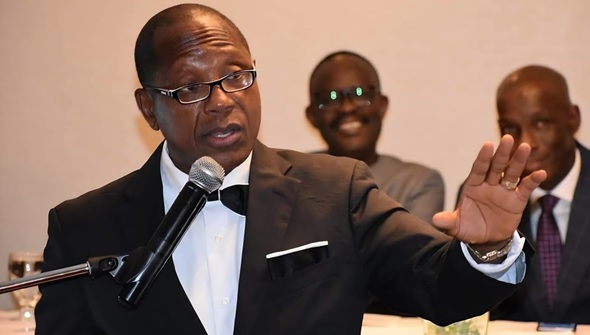
In an emotionally charged public statement released amid growing public anxiety over Ebola-related rumors circulating on social media, Dr. Kpoto said the ongoing debate surrounding misinformation reflects a troubling disregard for the trauma endured by Liberians during one of the darkest periods in the nation’s modern history.
“Seeing individuals attempting to justify the dissemination of misinformation about Ebola brings back trauma related dissonance from the horrific deaths that occurred during the 2014–2016 Ebola epidemic,” Dr. Kpoto wrote. She recalled that approximately 4,800 Liberians and more than 11,000 people across the subregion lost their lives during the outbreak that devastated families, crippled economies, and exposed the fragility of healthcare systems throughout West Africa.
Her comments come at a highly sensitive moment for Liberia, just days after the government through the National Public Health Institute of Liberia and the Ministry of Health issued a nationwide Ebola travel advisory and activated enhanced surveillance measures at all major points of entry following renewed Ebola outbreaks in the Democratic Republic of Congo and Uganda.
The latest regional outbreak prompted the World Health Organization to declare the situation a Public Health Emergency of International Concern on May 16, 2026, raising fears across African countries still haunted by memories of previous Ebola crises.
For many Liberians, Ebola is not simply a public health issue discussed in medical journals or government advisories. It is a deeply emotional national memory associated with mass death, quarantines, overwhelmed hospitals, orphaned children, economic collapse, and widespread fear that once brought ordinary life to a standstill.
Dr. Kpoto’s remarks carried unusual personal weight because they came not only from a government minister, but from a frontline healthcare professional who personally experienced the horrors of the epidemic. An epidemiologist and practicing obstetrician-gynecologist, she revealed that she survived multiple near-death experiences while treating patients during Liberia’s Ebola crisis.
“As an Epidemiologist and a healthcare worker who has had several near-death experiences because I chose to place the lives of patients before my own, I find this extremely distasteful and deeply troubling,” she stated.
The Minister’s statement appears directly linked to the controversy surrounding Liberian nurse Paola Bedell, whose arrest over alleged Ebola-related misinformation has triggered intense public debate across Liberia. Bedell was detained after allegedly circulating alarming claims suggesting suspected Ebola-related cases at the John F. Kennedy Medical Center.
However, the nurse later broke her silence, insisting that the information she shared was not politically motivated or intentionally false. According to Bedell, the warning stemmed from an internal professional briefing where nurses were reportedly advised to remain vigilant and use protective measures while handling patients.
The controversy has sharply divided public opinion. While some Liberians support the government’s crackdown on what officials describe as dangerous misinformation capable of causing unnecessary panic, others argue that health workers should not be criminalized for raising concerns during periods of public health uncertainty.
The debate also exposes Liberia’s continuing struggle with public trust and crisis communication. During the 2014 Ebola outbreak, misinformation, fear, delayed responses, and widespread distrust in government institutions significantly complicated efforts to contain the virus. Rumors spread rapidly across communities, sometimes leading citizens to reject medical advice, resist health workers, or hide infected relatives.
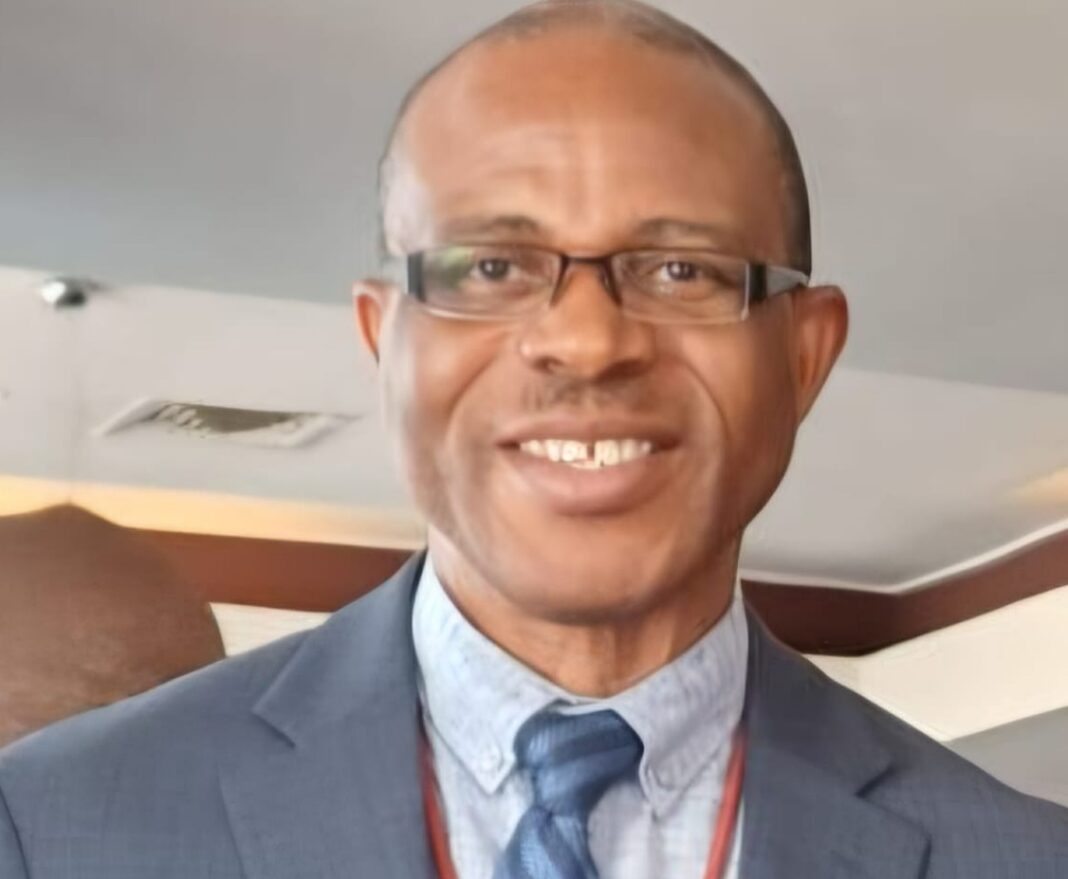
Public health experts, including Dougbeh Chris Nyan, have also cautioned Liberians against relying on unverified information circulating on social media and viral blogs. “So far as I am concerned, there is no Ebola outbreak in Liberia,” Dr. Nyan declared firmly while urging citizens to remain calm and depend on official public health updates.
He emphasized that Liberia’s health authorities have remained vigilant in monitoring developments involving Ebola outbreaks previously reported in countries such as Uganda and the Democratic Republic of Congo, adding that national surveillance systems remain active across the country.
Dr. Nyan further encouraged Liberians to continue observing preventive health measures established during previous disease outbreaks, including regular handwashing, frequent sanitizing, avoiding unnecessary overcrowding, and promptly reporting suspicious illnesses to nearby health facilities.
The former public health leader warned that misinformation during sensitive health situations could create fear and confusion within communities, undermining confidence in the country’s healthcare system and emergency response structures.
Against this backdrop, Liberia’s latest Ebola preparedness measures reflect lessons painfully learned from the country’s past tragedy. The government has intensified border screenings, activated surveillance systems, and urged citizens to report suspicious symptoms immediately as neighboring African countries battle new outbreaks.
Still, beneath the official health advisories lies a deeper national fear. The word “Ebola” alone continues to trigger emotional reactions among Liberians who vividly remember body bags lining treatment centers, healthcare workers collapsing from exhaustion, communities under quarantine, and the terrifying uncertainty that once consumed the country.
Dr. Kpoto’s emotional warning therefore goes beyond a simple condemnation of misinformation. It reflects the lingering psychological scars of a nation that survived one of Africa’s deadliest epidemics and now fears even the possibility of history repeating itself.
As Liberia confronts renewed regional Ebola threats from Uganda and the Democratic Republic of Congo, the challenge facing authorities is no longer only medical. It is also about rebuilding public trust, managing fear responsibly, and ensuring that painful memories from the past do not evolve into fresh panic fueled by misinformation, political controversy, and public uncertainty.