By Socrates Smythe Saywon | Smart News Liberia
The controversy surrounding the suspension, arrest, and investigation of several healthcare workers linked to the recent Ebola misinformation scare has evolved far beyond an internal disciplinary matter at the John F. Kennedy Medical Center. What began as allegations involving the dissemination of unverified health information has now become a national conversation about professional accountability, due process, and the state of Liberia’s healthcare system.
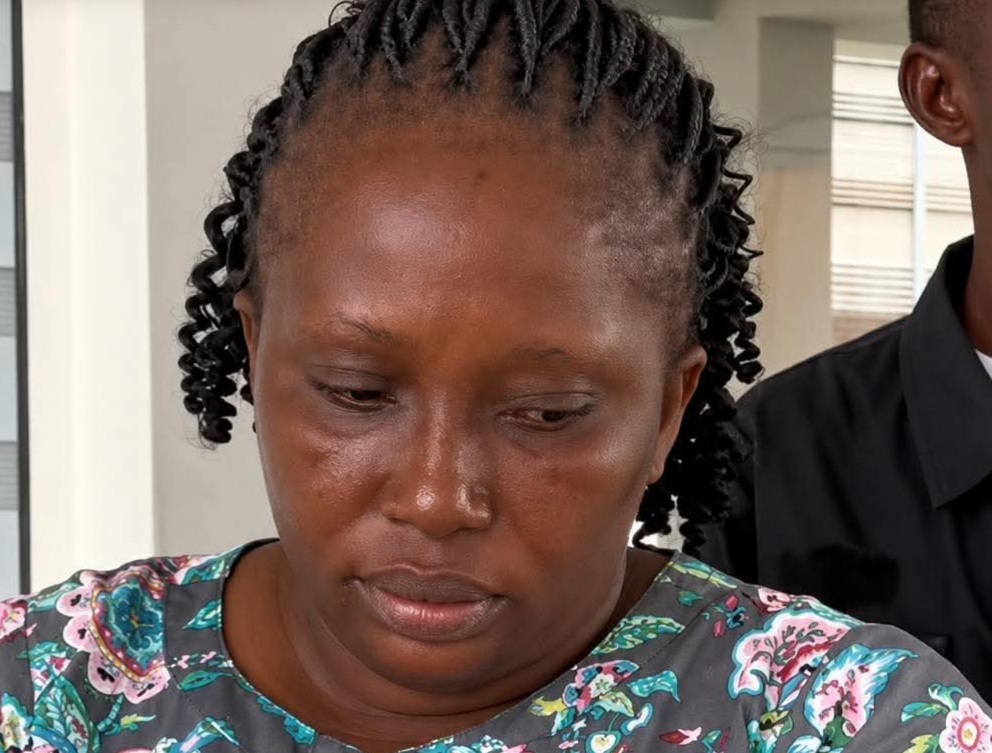
At the center of the debate are Nurse Paola Bedell, Mrs. Joana Jokai, and Sis. Lulu, a nurse, supervisor, and Nursing Services Director respectively, whose alleged involvement in the spread of misinformation triggered actions by health authorities and law enforcement agencies. While many Liberians agree that misinformation relating to public health must be addressed decisively, growing questions are being raised about whether the process used to address the matter has been consistent with professional standards and established regulatory procedures.
Those concerns gained renewed attention following a public notice issued by the Liberian Nurses Association on Thursday, May 28, 2026. In its statement, the Association disclosed that it had initiated several professional advocacy interventions and diplomatic engagements with key stakeholders, including the Ministry of Health, the Liberia National Police, the administration of JFK Medical Center, and the Liberian Board for Nursing and Midwifery.
According to the Association, the objective of those engagements was to ensure that the matter is handled professionally, fairly, and without political manipulation, public prejudice, or unnecessary distractions. The statement further revealed that the LNA had sought the release of nurses held by the police while simultaneously urging the Liberian Board for Nursing and Midwifery to assume its regulatory responsibility in addressing the allegations.
The intervention by the Nurses Association is significant because it introduces an important distinction that is often lost during moments of public outrage. Accountability and due process are not mutually exclusive principles. A healthcare worker accused of professional misconduct can and should be held accountable if wrongdoing is established. However, that accountability must be pursued through procedures that are fair, transparent, and consistent with the laws and regulations governing the profession.
The LNA was careful to make this distinction clear. While condemning misinformation and unethical conduct, the Association emphatically rejected any attempt to suspend or penalize nurses without first referring the matter to the Professional and Ethics Committee of the Liberian Board for Nursing and Midwifery. In the Association’s view, ethical concerns involving nurses should be addressed through established professional channels specifically designed to investigate and adjudicate such cases.
This position should not be interpreted as a defense of misinformation. Liberia knows better than most countries the devastating consequences that misinformation can produce during a public health emergency. The memories of the Ebola epidemic remain vivid. Communities were devastated, healthcare workers lost their lives, and public fear often spread faster than the virus itself. Accurate information was essential then, and it remains essential today.
That reality explains why allegations involving misinformation naturally generate strong public reactions. Citizens expect healthcare professionals to be responsible stewards of public health information. Any conduct that risks creating panic, fear, or confusion deserves serious attention.
Yet the demand for accountability should not come at the expense of fairness.
Liberia’s democratic institutions are built on the principle that accusations alone should not determine guilt. Regulatory frameworks exist precisely to ensure that allegations are properly investigated before penalties are imposed. When established procedures are bypassed, institutions risk creating the perception that decisions are driven by public pressure rather than evidence and due process.
The controversy therefore raises broader questions about institutional integrity within Liberia’s healthcare system. If professional regulatory bodies are not allowed to exercise their legal mandate during disciplinary disputes, what message does that send to healthcare workers across the country? More importantly, what does it say about the strength of the institutions responsible for maintaining professional standards?
The issue arrives at a particularly sensitive moment for Liberia’s health sector. Despite progress made over the years, significant challenges remain. Many healthcare facilities continue to struggle with inadequate infrastructure, shortages of medical supplies, limited resources, and staffing constraints. Healthcare workers often operate under difficult conditions while carrying enormous responsibilities for public safety and patient care.
These systemic challenges make public confidence in the healthcare sector more important than ever.
Trust remains one of the most valuable assets any healthcare system can possess. Citizens must believe that information provided by health authorities is credible, that professionals are acting responsibly, and that institutions are capable of addressing misconduct fairly and effectively. Once public trust begins to erode, the consequences can be severe, particularly during health emergencies when cooperation between communities and health authorities is essential.
The recent Ebola-related controversy illustrates just how fragile that trust can be. Conflicting information, social media speculation, and public uncertainty have once again highlighted the need for clear communication and strong institutional leadership. Healthcare workers have a duty to communicate responsibly, but authorities also have a duty to ensure that disciplinary actions are grounded in fairness and professionalism.
The Liberian Nurses Association’s warning against political manipulation is therefore noteworthy. Whether such concerns are justified or not, perceptions of political interference can undermine confidence in both the disciplinary process and the institutions involved. Public confidence depends not only on the outcome of investigations but also on the integrity of the process itself.
The controversy also underscores the importance of strengthening professional regulatory bodies such as the Liberian Board for Nursing and Midwifery. Regulatory institutions play a critical role in safeguarding standards, investigating misconduct, and protecting the credibility of the profession. Their authority should not be weakened or overlooked when controversies arise.
The current dispute is about more than the fate of three healthcare workers. It is about whether Liberia’s institutions can demonstrate that accountability and fairness are not competing objectives but complementary principles. A credible healthcare system requires both.
The Ministry of Health, JFK Medical Center, the Liberia National Police, and the Liberian Board for Nursing and Midwifery now face an important responsibility. Their handling of this matter will help determine whether the public views the process as legitimate, professional, and just.
Liberians deserve accountability when professional standards are breached. Healthcare workers deserve due process when allegations are made against them. The country’s healthcare system, already facing numerous challenges, cannot afford to sacrifice one principle in pursuit of the other.