By Our Reporter | Smart News Liberia
MONROVIA – A new debate over transparency, accountability, and the role of civil society in Liberia’s democracy has emerged after the House of Representatives reportedly turned its attention to the funding sources and financial records of NAYMOTE-Liberia following the organization’s publication of its Legislative Constituency Assessment Report.
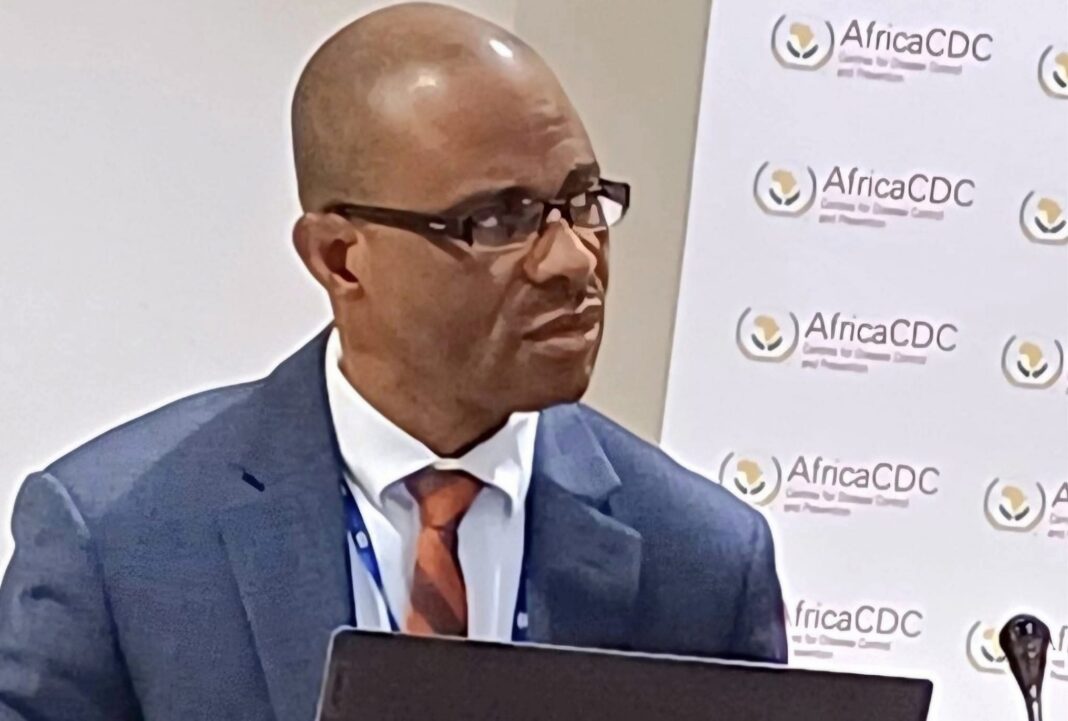
The development has prompted a strong reaction from NAYMOTE Executive Director Eddie Jarwolo, who questioned whether lawmakers have the authority to audit an independent civil society organization while simultaneously reaffirming his institution’s commitment to transparency and engagement with the Legislature.
In a statement posted on his official Facebook page on Monday, June 15, 2026, Jarwolo disclosed that discussions within the House of Representatives have shifted beyond the contents of NAYMOTE’s assessment report to include inquiries about the organization’s funding and sources of financial support.
“The Honourable House of Representatives Republic of Liberia is now holding discussion on how NAYMOTE-Liberia is being funded and the sources of our finances. We should also provide them with the necessary reports and documentation to ensure transparency and accountability,” Jarwolo wrote.
While indicating a willingness to cooperate, Jarwolo appeared puzzled by the development, noting that NAYMOTE already undergoes regular financial scrutiny through independent audits.
“Strange things are happening,” he remarked, adding that the organization is audited annually by recognized audit institutions.
The comments come amid growing public attention surrounding NAYMOTE’s recently released Legislative Constituency Assessment Report, which evaluated lawmakers’ performance and engagement with their constituencies. Although the report has generated public discussion, it has also drawn the attention of the House of Representatives, which has sought additional information regarding the methodology and processes used in compiling the assessment.
According to Jarwolo, the Office of the Chief Clerk of the House of Representatives formally invited NAYMOTE to provide clarification regarding the report’s methodology, assessment criteria, verification procedures, and dissemination of findings.
Despite concerns raised by some Facebook users about the implications of the Legislature’s actions, Jarwolo initially characterized the engagement as part of a healthy democratic process.
“NAYMOTE welcomes this engagement as an important opportunity for constructive democratic dialogue between NAYMOTE as civil society and the House of Representatives as an elected institution,” he stated.
He emphasized that the organization has already responded to the Legislature’s invitation and has reiterated that the report was not intended to undermine lawmakers or damage the institution’s reputation.
“We have responded to the invitation and reaffirmed that the purpose of the assessment was never to discredit the Legislature or any individual lawmaker, but to promote transparency, strengthen citizen engagement, encourage evidence-based accountability, and contribute to improved democratic governance,” Jarwolo explained.
However, the discussion appears to have taken on a new dimension following reports that lawmakers are now examining NAYMOTE’s finances and sources of funding, a development that has fueled questions about whether the scrutiny is connected to the findings contained in the assessment report.
Without directly accusing lawmakers of retaliation, Jarwolo openly questioned whether the House of Representatives has the legal mandate to audit an independent civil society organization.
“Is the House of Representatives responsible for auditing an independent Civil Society Organization? If yes, we welcome an independent audit of both the House of Representatives and NAYMOTE,” he wrote.
The statement has sparked broader conversations within civic and governance circles about the relationship between elected institutions and civil society organizations, particularly those engaged in monitoring government performance and promoting public accountability.
For many governance advocates, the issue extends beyond NAYMOTE itself. The concern centers on whether inquiries into the finances of civil society organizations could create perceptions of pressure or intimidation when those organizations publish findings that are critical of public institutions.
Recognizing the sensitivity of the matter, Jarwolo stressed that NAYMOTE continues to view the current engagement as normal and constructive. At the same time, he signaled that the organization remains alert to any developments that could affect civic space and the independence of civil society actors.
“At this stage, we consider this engagement a normal and healthy democratic process between civil society and the House of Representatives,” he noted.
Nonetheless, he added that NAYMOTE would continue to keep citizens informed if the situation evolves into a matter affecting democratic freedoms or the ability of independent organizations to participate meaningfully in public discourse.
“Given the broader importance of civic space, democratic freedoms, and the independence of civil society organizations, NAYMOTE will continue to keep citizens informed should this engagement evolve into issues affecting the ability of independent organizations to contribute meaningfully to public discourse and democratic development,” Jarwolo stated.
The organization also reaffirmed its commitment to democratic governance, transparency, and evidence-based advocacy, pledging to continue working with public institutions while maintaining its independence.
“NAYMOTE remains fully committed to Liberia’s democratic consolidation and will continue to uphold the highest standards of transparency, professionalism, integrity, evidence-based advocacy, and constructive partnership with all democratic actors,” Jarwolo declared.
As debate surrounding the issue intensifies, the unfolding engagement between NAYMOTE and the House of Representatives is likely to be closely watched by governance advocates, lawmakers, development partners, and citizens alike. For many observers, the outcome may serve as an important test of how Liberia balances legislative oversight, civil society independence, and democratic accountability.
“A stronger democracy is built through dialogue, accountability, and the active participation of citizens,” Jarwolo concluded.