By Socrates Smythe Saywon | Smart News Liberia
MONROVIA – The opposition Coalition for Democratic Change (CDC) has intensified pressure on the Joseph Nyuma Boakai administration, demanding explanations over what it describes as troubling questions surrounding a leaked video allegedly showing senior national security officials attending a private nighttime gathering at a casino reportedly associated with individuals facing serious public allegations.
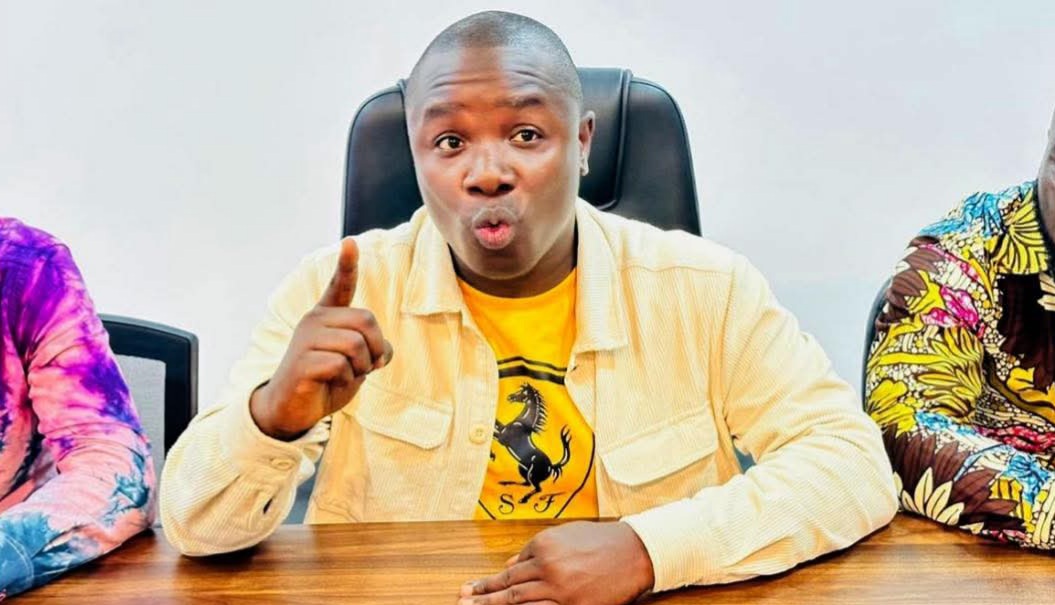
CDC Secretary General Jefferson T. Koijee, a former Monrovia City Mayor, made the claims Wednesday, July 29, 2026, in a statement titled “The Mask Is Off: Liberia Deserves Answers!” In the statement, Koijee released what he described as a glimpse of a sensitive video and called on Liberians to examine the footage while demanding accountability from government officials.
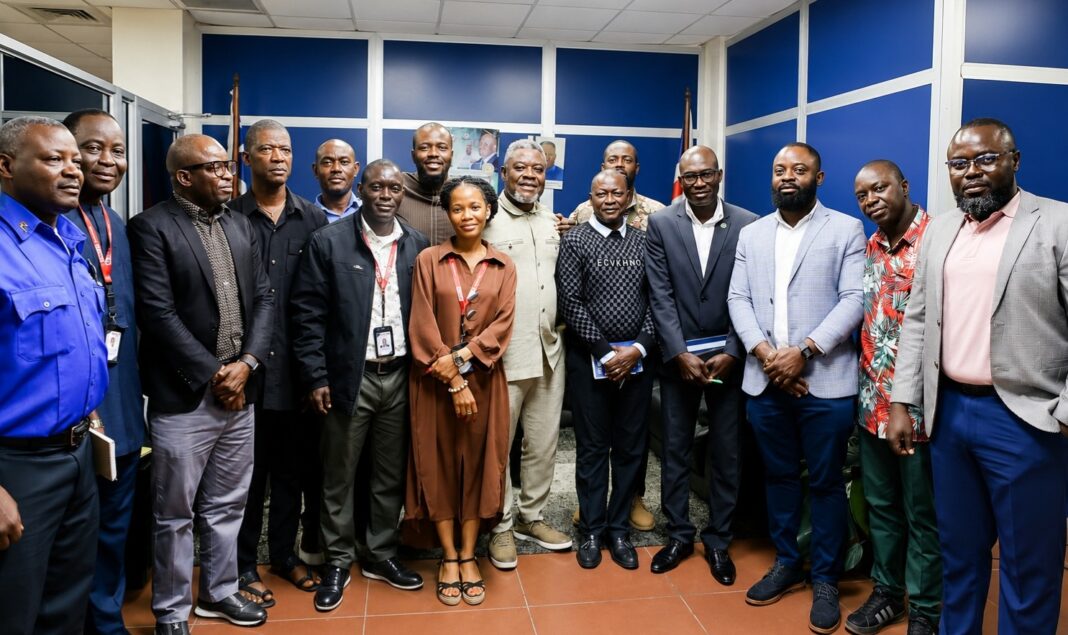
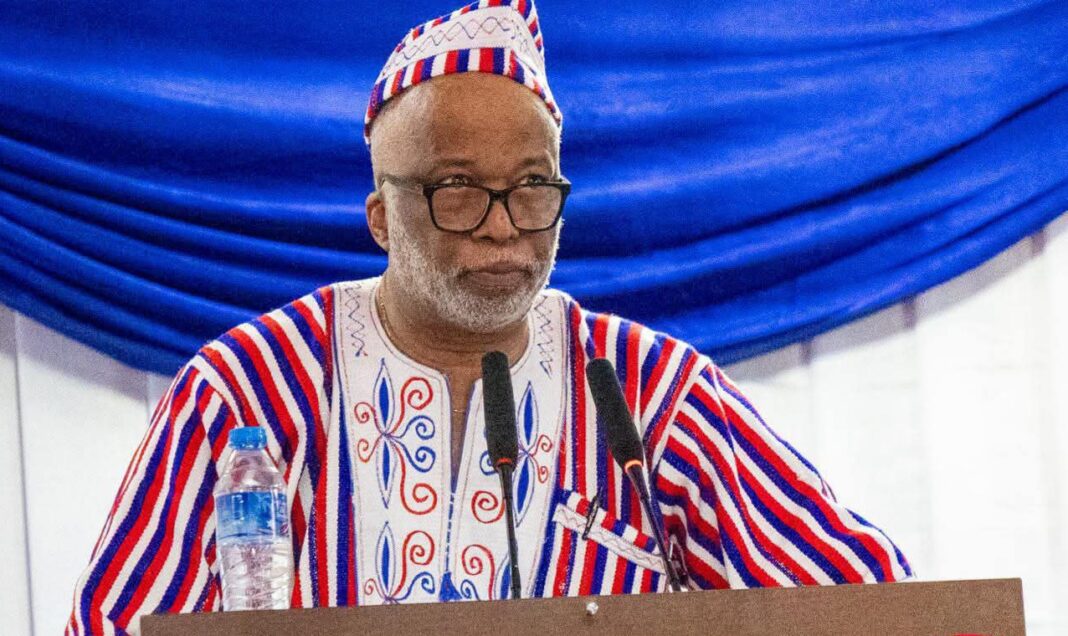
Koijee alleged that the footage appears to show former Defense Minister Brownie J. Samukai, Executive Protection Service (EPS) Director Sam Gaye, and Patrick P. Doe, Deputy Director for Administration at the National Security Agency (NSA), attending a private meeting.
The CDC official questioned why senior security figures would gather in such a setting at a time when Liberia is facing growing public anxiety over major cocaine seizures and allegations of international drug trafficking networks operating in the country.
“Why were these powerful security figures gathered in such a setting, under the cover of darkness, at a moment when the country is gripped by fear over major cocaine seizures and alleged cartel activities?” Koijee asked.
He demanded answers on whether the meeting was an official security engagement, who authorized it, what issues were discussed, and why the government has remained silent on the matter.
The allegations come amid heightened national attention following the seizure of approximately 3,971 kilograms of suspected cocaine valued at more than US$317 million, an investigation that has triggered public demands for transparency and accountability from Liberia’s security institutions.
Koijee argued that the scale of the cocaine seizure requires a thorough examination of every possible connection, including the role of individuals and institutions responsible for protecting national security.
He also raised questions about government spending priorities, particularly funding allocated to security institutions compared with healthcare services.
According to Koijee, the National Security Agency has a budget of US$22.1 million, while the Executive Protection Service receives US$9.1 million, the same amount he cited for the John F. Kennedy Medical Center.
He questioned how the country’s presidential protection service could receive funding comparable to Liberia’s major referral hospital while many citizens continue to struggle with access to medicine, emergency treatment, and basic healthcare.
“A government that finances presidential protection as heavily as the nation’s principal hospital is revealing, through its budget, whose security and survival it considers most important,” Koijee stated.
The CDC Secretary General also renewed criticism over the government’s handling of the ongoing narcotics investigation, questioning why no politically influential individuals, alleged financiers, or major networks have publicly faced prosecution despite the magnitude of the drug seizure.
“The regime must also explain why, despite reports of an enormous cocaine seizure valued by some commentators at hundreds of millions of United States dollars, no politically influential financier, senior official, or major network has been publicly indicted,” he said.
Koijee suggested that the absence of high-profile indictments has contributed to public suspicion that powerful interests could be protected from accountability.
He argued that only an independent and transparent investigation can address concerns that political influence, security institutions, and commercial interests may be becoming dangerously intertwined.
The opposition figure also criticized President Joseph Nyuma Boakai and senior government officials for what he described as a lack of a comprehensive public explanation regarding the cocaine investigation.
Referencing the President’s Independence Day remarks, Koijee said President Boakai spoke extensively during the national celebration but failed to provide what he considered a serious explanation regarding the cocaine seizure, including questions surrounding alleged financiers, intended destinations, and possible institutional connections.
“Such silence, amid a crisis of this magnitude, is not leadership,” Koijee stated.
He accused the government of failing to provide the level of transparency expected by citizens during a major national security crisis.
Koijee called for an immediate independent investigation, supported internationally if necessary, into the cocaine seizure, alleged cartel connections, and any meetings involving senior security officials that may be relevant to the concerns raised.
He warned that Liberia cannot be governed through secrecy, selective justice, or institutional silence.
“National security agencies must protect the Republic, not become instruments of political protection or shields behind which suspicious networks operate,” he said.
Koijee maintained that the public deserves answers and urged officials connected to the allegations to provide explanations.
“The footage is now before the public. Let the Liberian people watch. Let the officials explain. Let the evidence speak,” he added.
The CDC’s allegations have introduced another layer of political pressure on the Boakai administration as it continues to face demands for openness over Liberia’s fight against narcotics trafficking.
However, questions remain regarding the authenticity, context, and full contents of the alleged video, and whether the footage provides sufficient evidence to support the claims being raised.
The government and security officials named in Koijee’s statement are expected to respond as public attention remains focused on whether Liberia’s institutions can conduct an investigation that is independent, credible, and capable of addressing concerns across political divides.