
By Socrates Smythe Saywon | Smart News Liberia
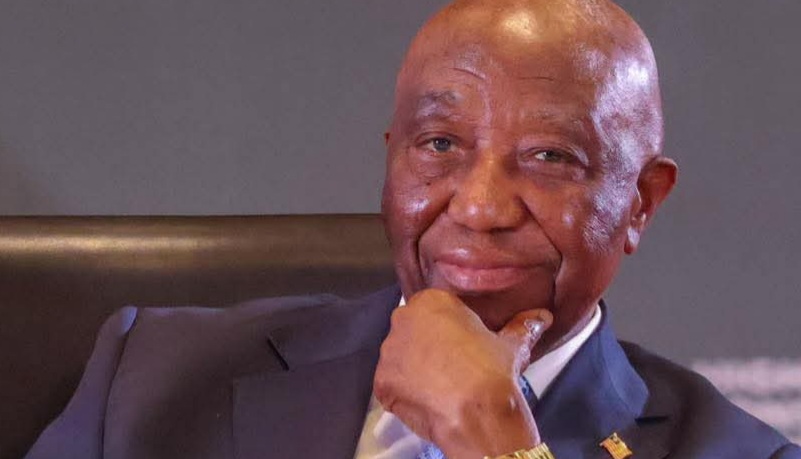
MONROVIA – As Liberia confronts a growing cocaine crisis and mounting questions about the networks behind two major drug seizures, Sinoe County Senator Cllr. Augustine C. Chea has praised three prominent voices for continuing to demand truth, transparency and accountability.
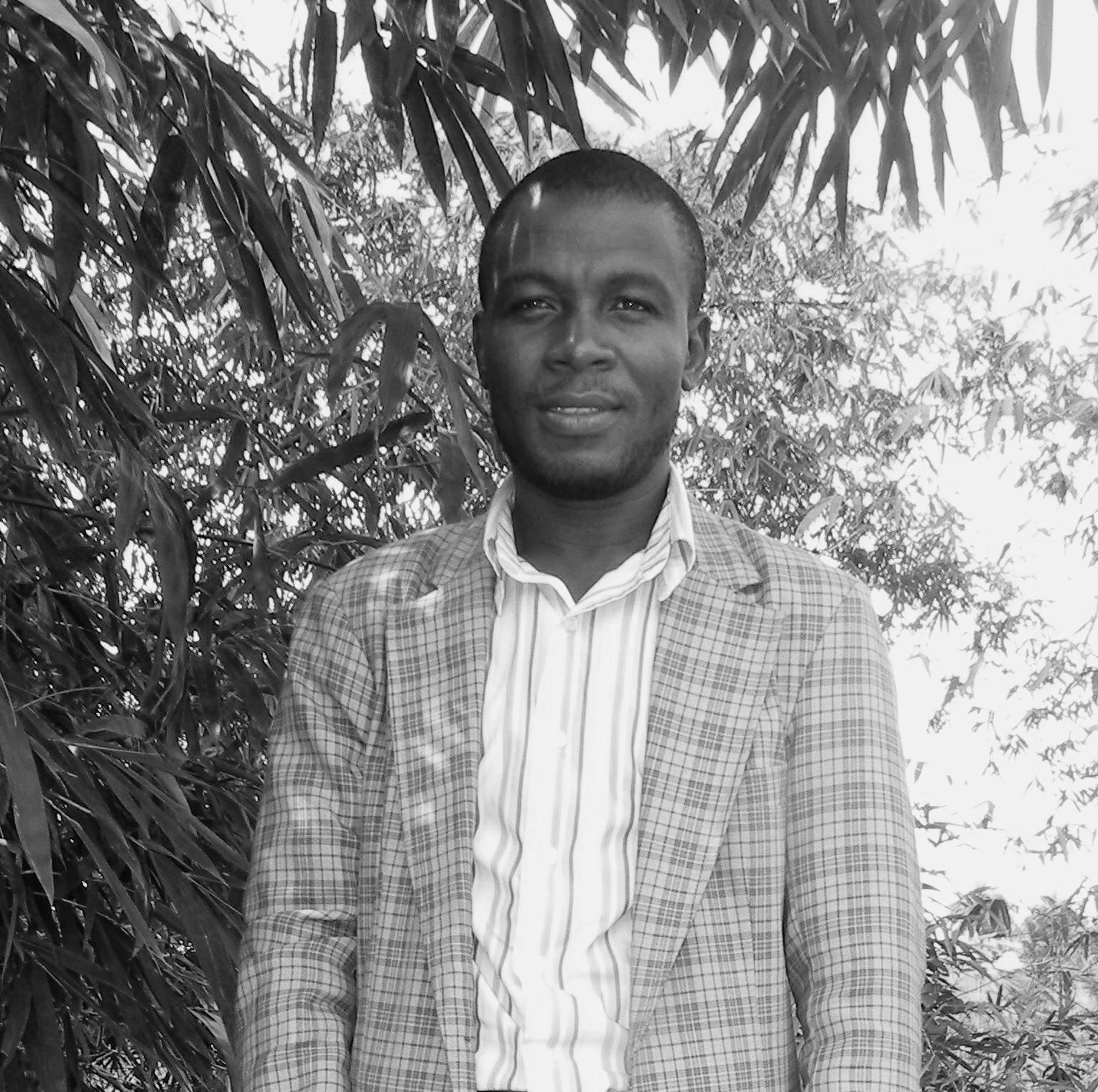
Chea singled out activist Martin K. N. Kollie, Stanton Witherspoon, former CEO of Spoon Network Inc., and journalist Rodney Sieh for what he described as their courage, persistence, and determination to expose individuals and networks allegedly connected to the country’s escalating drug crisis.
“Kudos to the few who refuse to be silenced,” Chea wrote in a statement highlighting their efforts.
The senator said Kollie deserves “enormous respect” for his relentless efforts to expose what he described as a drug cartel, identify those allegedly involved and bring the truth into the public domain.
He also praised Witherspoon and Sieh, describing their work as instrumental in shining a light on alleged members, facilitators and protectors of the suspected network.
“To Martin Kollie, Stanton Witherspoon, and Rodney Sieh: you are true patriots,” Chea said, urging them to continue exposing the truth and demanding accountability.
His comments come as Liberia faces unprecedented scrutiny following two major cocaine seizures within weeks, developments that have transformed the country’s narcotics problem into a major national security and governance issue.
On June 8, approximately 237.6 kilograms of suspected cocaine were intercepted at Roberts International Airport. The shipment was concealed in six cargo boxes and reportedly declared as general merchandise. It was estimated to have a street value of about US$19.2 million and was allegedly destined for London.
The RIA case quickly expanded beyond the alleged owners and handlers of the shipment, with questions emerging about the conduct of security officials and whether anyone within the system attempted to facilitate the movement of the drugs or interfere with the investigation.
Liberia Drug Enforcement Agency officer Moses Jallah was subsequently charged with Hindering Law Enforcement, Obstruction of Government Function and Tampering with a Criminal Investigation.
Jallah has denied wrongdoing, maintaining that he acted on intelligence from his superiors and reported alleged attempts to influence him to the appropriate officials.
The RIA investigation was followed by an even larger cocaine seizure in July.
On July 21, Joint Security forces seized approximately 3,971 kilograms of suspected cocaine in Duazon, Margibi County. The drugs were valued at approximately US$317.68 million, making the operation one of the largest narcotics seizures in Liberia’s history.
Several suspects, including foreign nationals and Liberian citizens, were subsequently detained as investigators intensified efforts to determine the origin, ownership and intended destination of the shipment.
The two seizures together involved more than four metric tonnes of suspected cocaine, with a combined estimated value exceeding US$336 million.
On July 30, 4,208.6 kilograms of cocaine recovered from the two operations were destroyed.
But while the destruction removed the drugs from circulation, it did not remove the questions surrounding the people and networks allegedly responsible for bringing them into Liberia.
For families affected by drug abuse, those questions carry a deeply personal meaning.
Behind the millions of dollars attached to each seizure are communities and families worried about the growing availability of narcotics and the impact of addiction on young Liberians.
The debate has therefore shifted from whether Liberia can seize cocaine to whether its institutions can successfully identify and prosecute those allegedly financing, transporting and protecting the trade.
Who financed the shipments?
Who organized their movement?
Who provided logistical support?
Who may have facilitated their passage through Liberia?
And did anyone within the security system assist or obstruct the investigations?
These questions have intensified scrutiny of Liberia’s security institutions.
The investigation into the massive Duazon seizure has reportedly expanded to include allegations involving security personnel, while international partners have also become involved in efforts to trace the broader network behind the cocaine operations.
For Chea, the role of individuals willing to keep asking difficult questions is therefore critical.
His praise of Kollie, Witherspoon and Sieh reflects a broader demand from sections of Liberian society for the drug investigations to remain under public scrutiny until the full chain of responsibility is established.
“Keep standing. Keep exposing the truth. Keep demanding accountability,” Chea urged.
Yet the growing public debate also underscores the importance of evidence and due process.
Allegations that individuals are members of a drug cartel, facilitators or protectors must be independently investigated and supported by credible evidence before criminal responsibility can be established.
Public pressure can encourage accountability, but it cannot replace the courts.
For Liberia, the ultimate measure of success will not be the quantity of cocaine seized or destroyed.
It will be whether investigators can follow the evidence beyond the drugs and identify the people behind the operations, whether prosecutors can build credible cases and whether the courts can deliver justice based on evidence.
The recent seizures have given Liberia an opportunity to confront a drug trafficking threat that appears increasingly sophisticated.
The challenge now is ensuring that the cases do not end with major seizures and destruction ceremonies while the networks behind them remain intact.
For families and communities struggling with the consequences of drug abuse, the demand is simple: they want a country where the law protects them, institutions are accountable and those responsible for bringing dangerous narcotics into Liberia cannot hide behind wealth, influence or official positions.
As Chea’s message makes clear, the voices demanding answers are growing louder.
And with the investigations deepening, the country is waiting to see whether those voices will ultimately be matched by evidence, prosecutions and accountability.