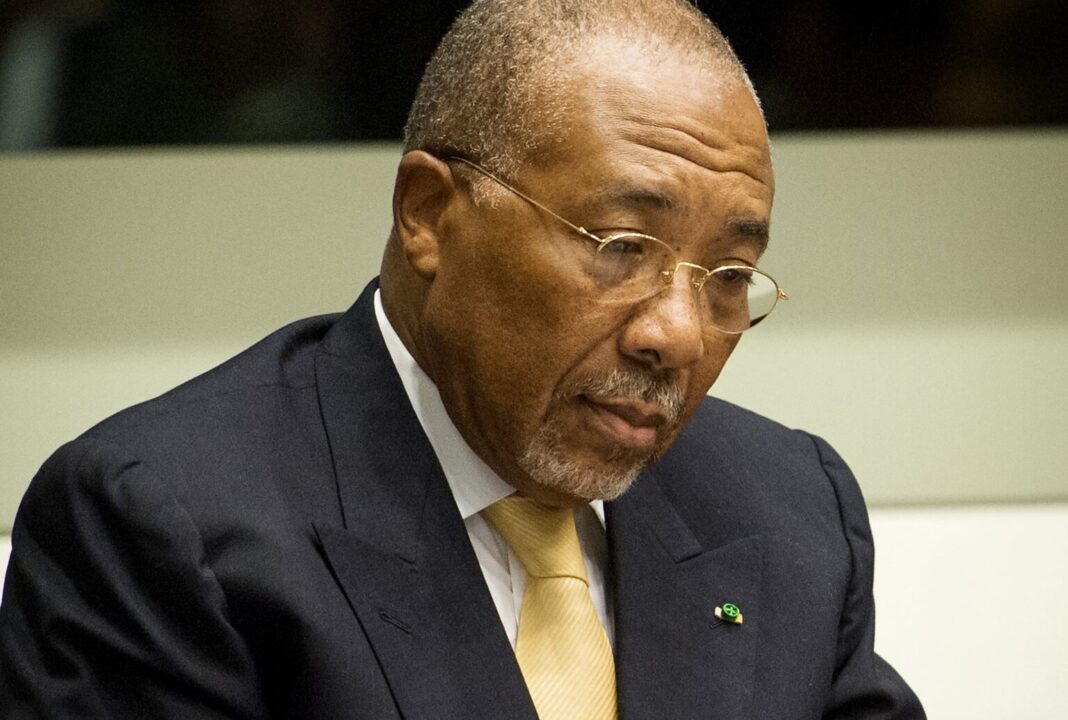
MONROVIA — Nearly two decades after former Liberian President Charles Ghankay Taylor was taken into international custody, questions surrounding his eventual release, possible return to Liberia and future status in Liberian public life are beginning to attract renewed attention.
Taylor has spent about 20 years in detention since his arrest in March 2006, following his departure from Liberia and years of international efforts to bring him before the Special Court for Sierra Leone. His trial was conducted in The Hague, but it was not an International Criminal Court trial. Taylor was prosecuted by the Special Court for Sierra Leone, which later convicted him and imposed a 50-year prison sentence.
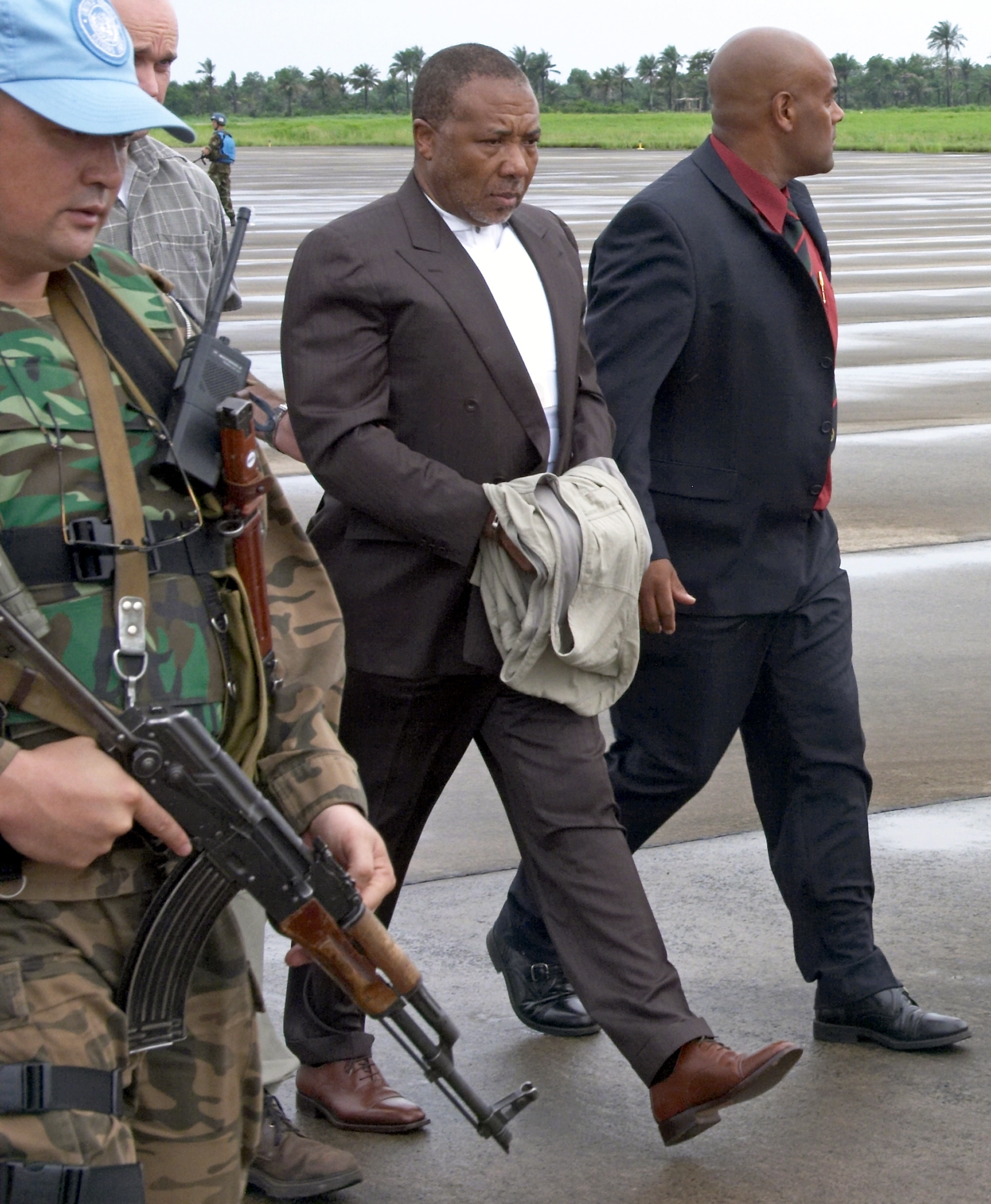
The Special Court found Taylor guilty on 11 counts connected to crimes committed during Sierra Leone’s civil war. His conviction and sentence were subsequently upheld on appeal.
But nearly two decades after his arrest, another chapter of the Taylor case is beginning to come into focus: What happens when Charles Taylor eventually becomes eligible to leave prison?
That question is more complicated than the popular discussion of whether Taylor will simply be “released.”
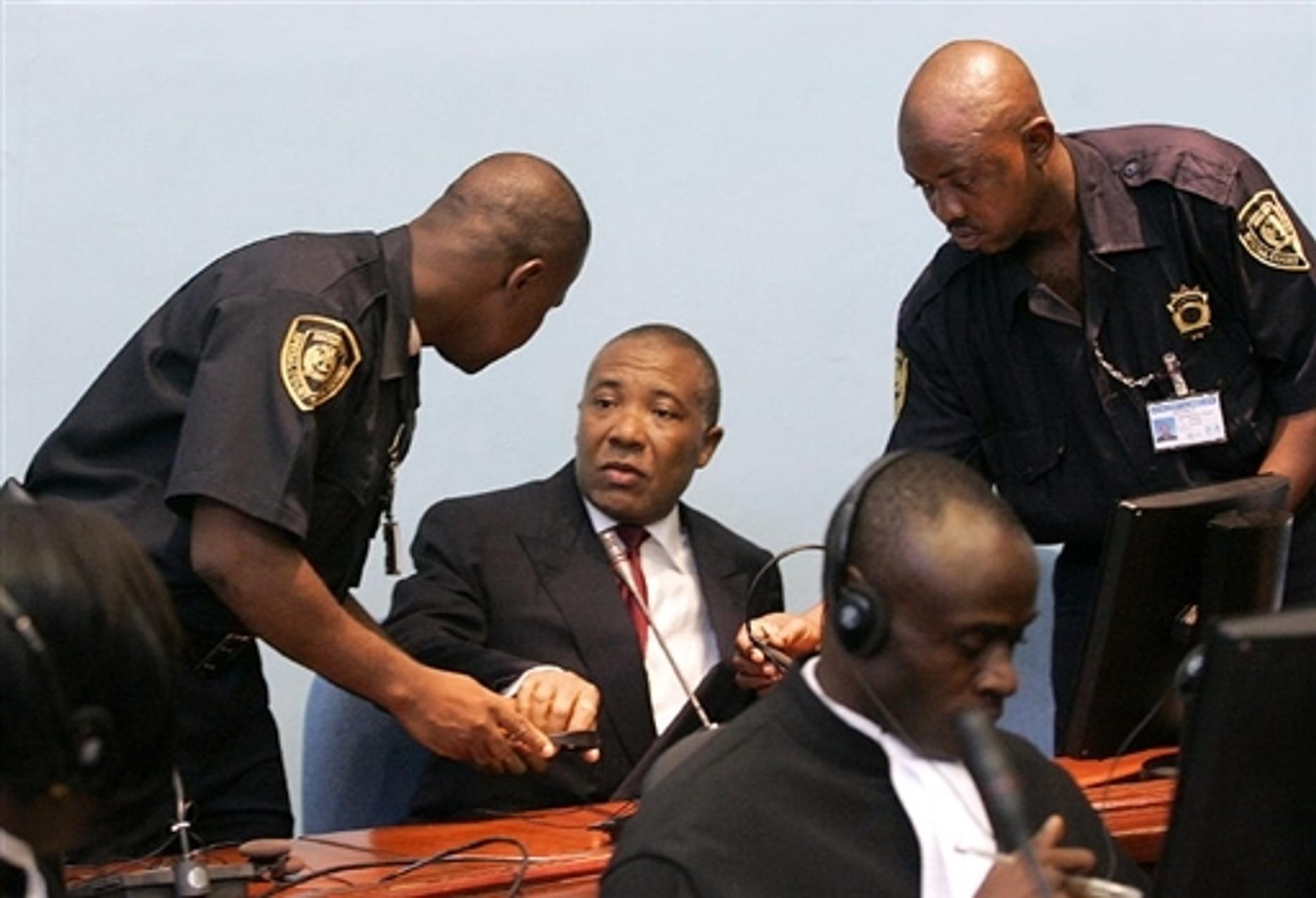
The Special Court for Sierra Leone completed its mandate in 2013, but its legal responsibilities did not disappear. The Residual Special Court for Sierra Leone, or RSCSL, continues to supervise outstanding matters, including the enforcement of sentences imposed by the former tribunal. Taylor remains under that international judicial framework.
Under the current RSCSL Rules of Procedure and Evidence, early release can only occur after a convicted person has served at least two-thirds of the original sentence. For Taylor’s 50-year sentence, that translates to approximately 33 years and four months. The Court’s conditional-release framework also requires consideration of matters including conduct in prison, whether the individual presents a danger to the community, respect for the judicial process, and issues concerning peace, reconciliation, victims and witnesses.
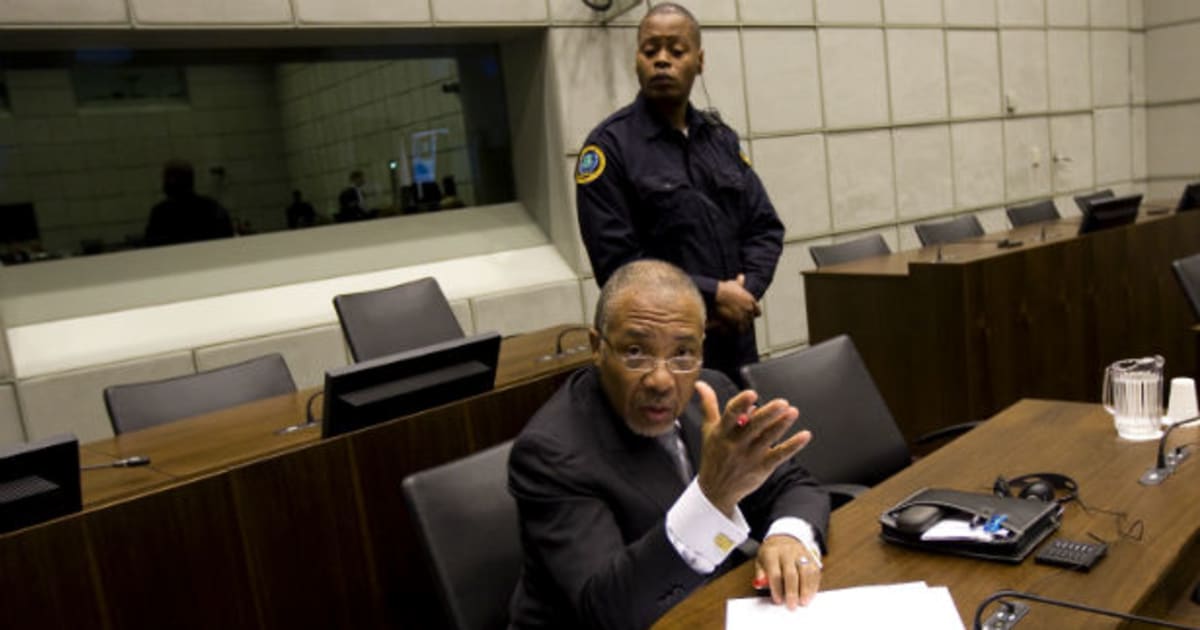
That means the widespread discussion of “early release” must be placed in its proper legal context. Taylor is not presently at the two-thirds point of his 50-year sentence. But his eventual eligibility raises a series of questions that Liberia may ultimately have to confront.
Where would Charles Taylor live?
Would he be permitted to return to Liberia?
What conditions could accompany any conditional release?
Would an international conditional release automatically restore all of his civil and political rights in Liberia?
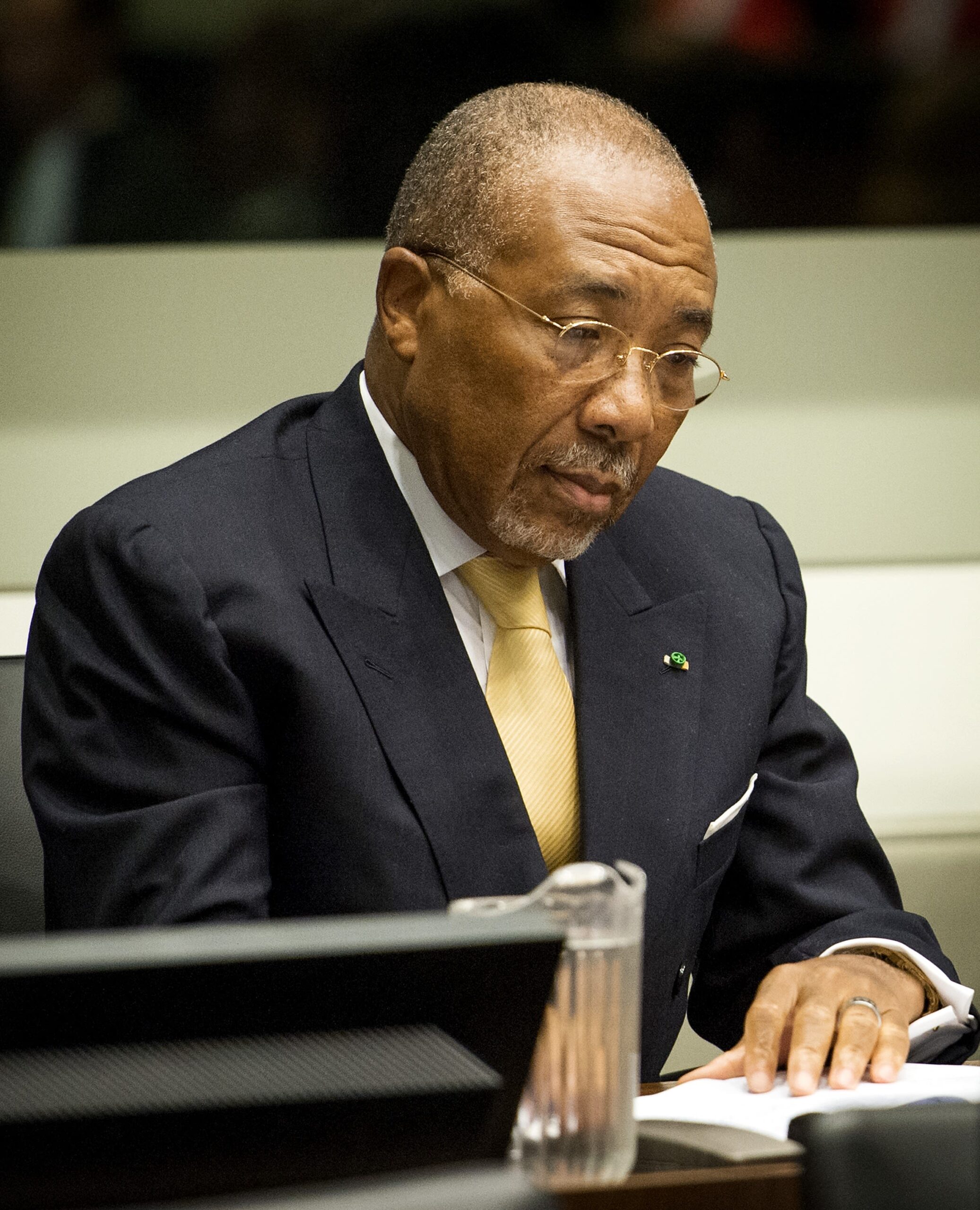
Could he vote, participate in political activities, join or lead a political party, contest legislative office or seek the presidency?
And perhaps one of the most consequential constitutional questions: if Taylor were eventually to consider seeking the Liberian presidency again, how would the Constitution’s 10-year residency requirement apply to a former president who has spent decades outside Liberia?
Liberia’s Constitution provides that a presidential candidate must be a natural-born Liberian citizen, at least 35 years old, own unencumbered real property valued at not less than US$25,000, and have been resident in Liberia for the 10 years preceding the election.
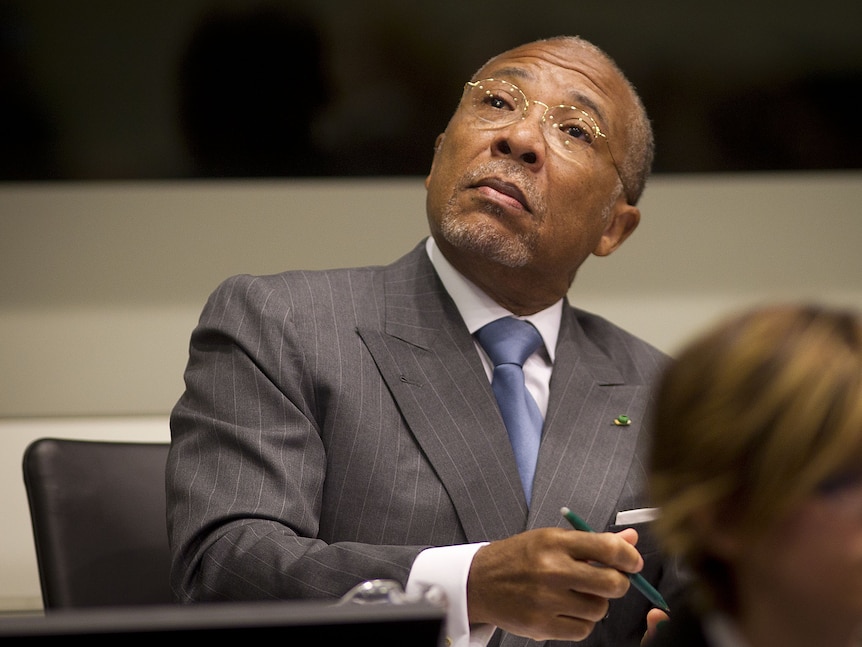
That provision alone creates a significant legal question for any discussion of Taylor’s possible return to presidential politics. Whether time spent outside Liberia because of international prosecution and imprisonment could have any bearing on the constitutional residency requirement is a matter requiring legal interpretation rather than political speculation.
There is another constitutional issue.
Article 21(k) provides that a person who was deprived of civil rights and liberties following a criminal conviction has those rights restored upon serving the sentence and satisfying other penalties imposed, or upon an executive pardon.
But Taylor’s situation presents an unusual legal question because his conviction was handed down by an international tribunal rather than a Liberian domestic court. Whether and how Liberia’s constitutional restoration provisions interact with the sentence imposed by the Special Court for Sierra Leone is therefore an issue that deserves careful examination.
There is also the question of conditional release itself.
A person granted conditional early release by the RSCSL does not simply walk away from the court’s jurisdiction as though the sentence never existed. The Court has explained that a person granted conditional release may serve the remainder of the sentence in the community under strict conditions and monitoring. The Court has also stated that it can investigate whether the person would pose a danger to the community in which he intends to reside or to witnesses who testified against him.
For Liberia, that could make the question of Taylor’s proposed place of residence particularly important.
Would Liberia be willing to receive him?
Would the RSCSL approve Liberia as the place where he would serve the remainder of any sentence under conditional release?
What conditions could be attached?
And would Liberian authorities have any role in enforcing those conditions?
These questions have significance beyond Taylor personally.
Charles Taylor remains one of the most consequential and controversial figures in Liberia’s modern political history. He became president after years of armed conflict, left office in 2003 and was subsequently prosecuted before an international tribunal. His case became a landmark in international criminal justice because the Special Court for Sierra Leone successfully prosecuted a former head of state.
His eventual release, therefore, would not simply be the conclusion of a prison sentence. It could reopen questions about Liberia’s political history, victims of the country’s civil wars, reconciliation, constitutional rights, international justice and the limits of political participation after an international criminal conviction.
It could also test the relationship between international criminal justice and Liberia’s domestic constitutional order.
The investigation by Liberian Investigative Journalist Lyndon J. Ponnie, Sr. seeks to examine these questions from the records and the law rather than from rumor or political speculation.
The investigation will trace Taylor’s journey from the Liberian presidency to international detention, examine the judgment and sentence imposed by the Special Court for Sierra Leone, explain the authority now exercised by the Residual Special Court, and examine the legal framework governing conditional early release.
It will also examine what Liberian law says about citizenship, civil rights, political participation, voting, public office and presidential eligibility — and where the law leaves unanswered questions.
Most importantly, the investigation will distinguish between what the law clearly provides, what the international court has already decided, and what remains legally unsettled.
Because the question surrounding Charles Taylor is no longer simply whether he will one day leave prison.
The deeper question is:
When that day comes, what exactly will Charles Taylor be legally permitted to do — and what, if anything, will Liberia permit him to become again?
WATCH OUT FOR THE BIG STORY!
A major investigative series is coming next on this website.
We are going deep into the facts, the law, the unanswered questions, and what could happen next.
The investigation is coming in a series. Stay tuned. You won’t want to miss this one.