Liberia’s LISGIS chief calls for practical action on the 2023–2030 Road Map and greater African influence over global development measurement
ADDIS ABABA, ETHIOPIA — The Director General of the Liberia Institute of Statistics and Geo-Information Services (LISGIS), Hon. Richard F. Ngafuan, has called for stronger national statistical institutions, professional independence, sustainable financing and greater African leadership in shaping how development is measured.
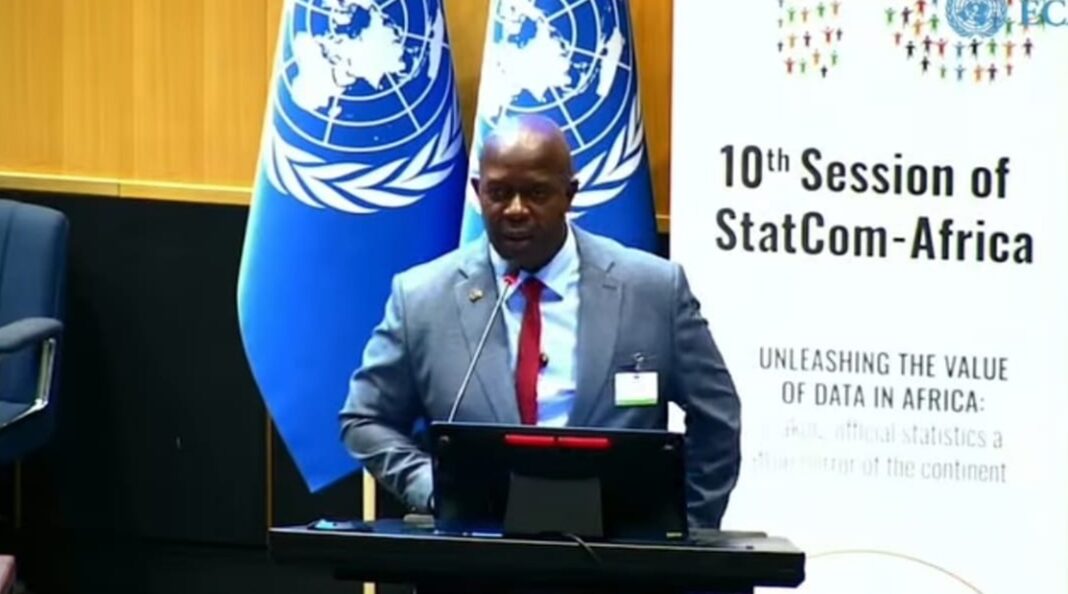
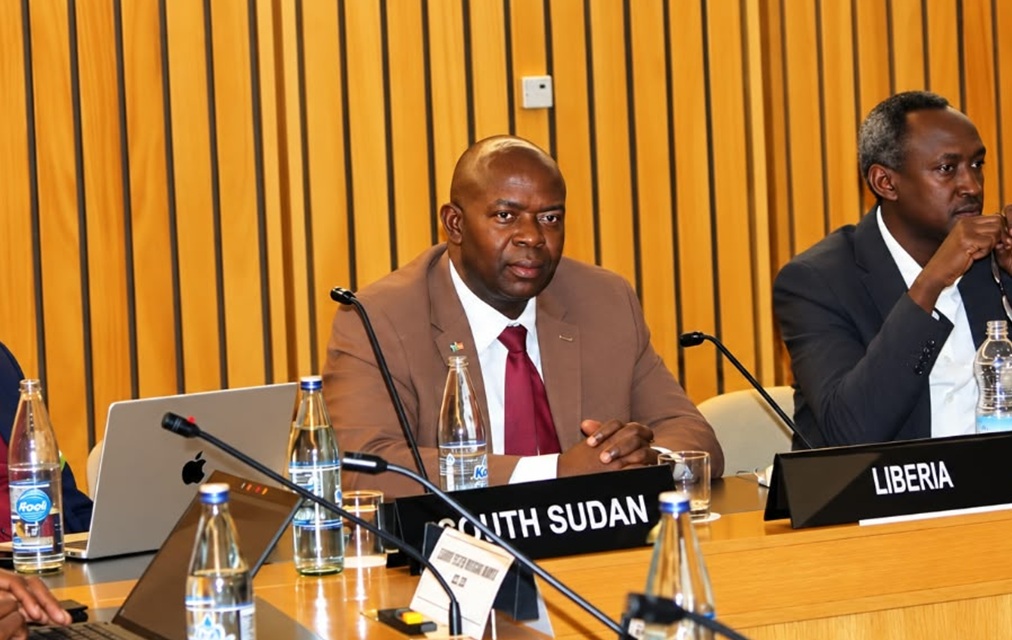
Ngafuan delivered the message on Wednesday during a panel of experts discussion in Addis Ababa, Ethiopia, under the theme, “Transforming and Modernizing National Statistical Systems to Reflect African Development Aspirations and Realities.”
The discussion brought together representatives of the United Nations Economic Commission for Africa (ECA), heads of national statistical offices, regional institutions and development partners to consider how African statistical systems can be transformed to respond more effectively to the continent’s development priorities.
Speaking on behalf of the Bureau of the Statistical Commission for Africa, Ngafuan welcomed participants and acknowledged the ECA and its African Centre for Statistics for convening the dialogue.
He described the modernization of national statistical systems as a central responsibility for African countries seeking to ensure that development policies are supported by reliable, relevant and credible evidence.
“Our responsibility, as custodians of official statistics, is to ensure that the evidence is equal to the ambition,” Ngafuan said, linking Africa’s development aspirations to the capacity of its statistical institutions to produce information that accurately reflects conditions across the continent.
His remarks emphasized that statistical modernization must extend beyond technological upgrades and improvements in data collection. It must also address the institutional, professional and financial conditions necessary for national statistical offices to function effectively and maintain public confidence in their findings.
Ngafuan identified stronger institutions, professional independence, skilled personnel, sustainable financing and a willingness to innovate as essential priorities for advancing the continent’s statistical development agenda.
The emphasis on institutional strength reflects the critical role national statistical offices play in producing the information used by governments, development partners, businesses, researchers and the public to understand economic and social conditions.
National statistics inform decisions across multiple sectors, including employment, agriculture, education, health, infrastructure and public finance. Their value, however, depends on the ability of statistical institutions to produce information that is accurate, timely, sufficiently detailed and relevant to the decisions being made.
Weak institutional capacity, shortages of trained personnel, inadequate resources or outdated data collection systems can limit the usefulness of official statistics and create gaps in the evidence available to policymakers.
Ngafuan’s call for stronger institutions therefore places capacity development at the center of Africa’s statistical modernization efforts.
Professional independence was another priority highlighted in his remarks. Statistical institutions must be able to apply established professional standards and produce credible findings that serve the public interest.
Such independence helps protect the integrity of official statistics and supports confidence among policymakers, researchers, development partners and citizens. It also strengthens the role of national statistical offices as providers of evidence that can be used to assess government programmes and monitor development outcomes.
For Liberia, the issue is particularly relevant to the work of LISGIS, which is responsible for producing official statistical information and supporting evidence-based national planning.
The ability of the institution to fulfil that responsibility depends not only on the expertise of its staff but also on sustained investment in data collection, statistical infrastructure, professional training and the systems needed to process and publish information.
Ngafuan also identified sustainable financing as a necessary condition for transforming African statistical systems.
Statistical operations require resources for household and business surveys, censuses, administrative data systems, technological infrastructure, fieldwork, data processing and the recruitment and retention of qualified personnel.
These activities cannot be maintained effectively through occasional interventions alone. They require dependable funding arrangements that allow institutions to plan their work, maintain continuity and respond to emerging information needs.
Inadequate financing can interrupt data collection, delay the publication of important indicators and limit the ability of statistical offices to provide the detailed information needed for national and regional development planning.
The financing question also has implications for the long-term sustainability of statistical modernization. Investment in technology and training must be accompanied by resources for maintenance, staffing and continued operations if the improvements are to produce lasting benefits.
Ngafuan referred to the Road Map for 2023–2030 as a shared framework for advancing the transformation of statistical systems across Africa. He called for the framework to be translated into practical measures that strengthen institutions, develop professional capacity and support innovation.
His remarks placed renewed emphasis on implementation, suggesting that the success of the roadmap will depend on the willingness and ability of participating countries to move from agreed priorities to concrete institutional reforms.
For the roadmap to produce meaningful results, statistical offices must be able to identify their most pressing capacity gaps, establish realistic priorities, secure the resources needed to address them and evaluate whether reforms are improving the quality and usefulness of the information they produce.
The development of skilled statistical personnel is central to that process. Modern statistical systems require professionals capable of applying sound methodologies, managing complex datasets, using digital tools and translating technical findings into information that policymakers and the public can understand.
Continued professional development is therefore essential as countries respond to changing demands for more timely, detailed and accessible data.
Ngafuan also encouraged African statistical institutions to embrace innovation while preserving the rigour and credibility of official statistics.
Technological advances can improve the collection, processing, analysis and dissemination of information. However, the benefits depend on whether the technologies are appropriate to national circumstances and supported by the skills, infrastructure and safeguards necessary for effective use.
Modernization should consequently be treated as an institutional process rather than simply the purchase of new equipment or software.
A further dimension of Ngafuan’s remarks concerned Africa’s role in shaping international statistical practice.
He argued that the continent must exercise leadership in determining how its development is measured, bringing African experiences into international statistical discussions with rigour, credibility and purpose.
The call reflects the importance of ensuring that international measurement frameworks adequately capture the economic and social conditions experienced across African countries.
While internationally comparable statistics are essential for evaluating progress across countries and regions, the methods used to measure development must also be capable of reflecting national realities, including differences in employment conditions, agricultural livelihoods and the distribution of economic opportunities.
Greater African participation in the development of international statistical standards can help ensure that the continent’s expertise and practical experiences contribute to the evolution of those frameworks.
Such leadership, however, requires strong national institutions, qualified professionals and reliable data systems capable of supporting credible contributions to regional and international statistical processes.
Ngafuan urged participants to use the dialogue to identify obstacles, strengthen partnerships and agree on actions that could be taken forward to the Statistical Commission for Africa.
He stressed the need for participants to leave the meeting with clear priorities and a renewed determination to implement them.
The appeal highlights a key challenge confronting regional statistical cooperation: discussions and policy frameworks must lead to coordinated action if they are to strengthen national institutions and improve the availability of reliable data.
Partnerships among national statistical offices, regional institutions and development partners can contribute technical expertise, professional exchanges and resources. Their effectiveness, however, will depend on whether support is aligned with national priorities and contributes to sustainable institutional capacity.
For Liberia, the dialogue offers an opportunity to situate the country’s statistical development needs within the wider African effort to modernize official data systems and improve the evidence available for national planning.
The practical implications include the continued need to strengthen professional capacity, maintain dependable statistical operations, improve the quality and accessibility of official data and ensure that statistical information can respond to the needs of policymakers and citizens.
Although Ngafuan’s remarks did not announce a new funding commitment or a specific institutional reform for Liberia, his emphasis on financing, independence, skills and implementation identifies areas that are fundamental to the effective operation of statistical institutions.
The wider challenge is to ensure that African countries have statistical systems capable of supporting their development ambitions without compromising the credibility and professional standards on which reliable evidence depends.
Ngafuan concluded by stressing that Africa’s people deserve institutions capable of producing evidence that illuminates the path toward development.