IMO Representative Says Liberia Must Modernize Schools, Invest in Teachers and Prepare Students for Digital Economy
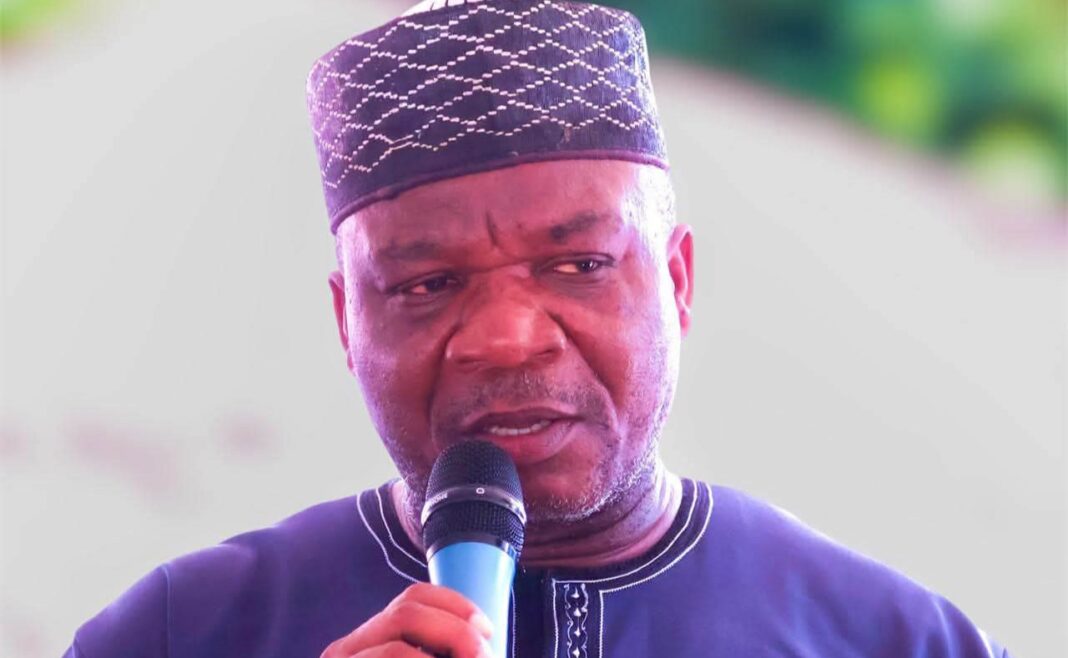
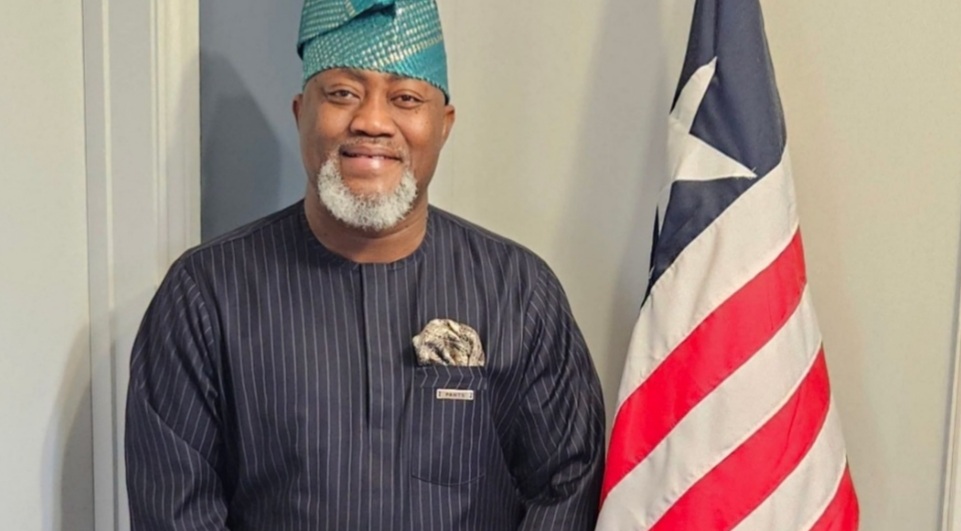
MONROVIA, LIBERIA — Liberia’s Permanent Representative to the International Maritime Organization (IMO), Ambassador Robert Wilmot Kpadeh, has called on the National Legislature to increase funding for the education sector in the 2027 national budget, warning that the country’s ambitions for economic transformation and technological advancement cannot be achieved without sustained investment in schools, teachers and the development of human capital.
Ambassador Kpadeh made the appeal Sunday, November 22, 2026, while delivering the keynote address at the 58th Graduation Ceremony of William V. S. Tubman High School on its Main Campus, 12th Street, Sinkor, Monrovia.
Addressing members of the school administration, faculty, parents, invited guests and the graduating Class of 2026, the Liberian diplomat described education as one of the most important investments any country can make toward securing its long-term prosperity, emphasizing that the development of a nation is directly connected to the quality of knowledge and skills possessed by its citizens.
He urged policymakers to regard education not as an ordinary expenditure that could be reduced during difficult economic periods, but as a strategic investment capable of producing lasting benefits across generations.
“Education is not an expense. It is an investment in human capability, and it is the one investment that compounds across the generations,” Ambassador Kpadeh declared.
The diplomat’s remarks placed the education sector at the center of Liberia’s national development conversation, particularly as the government and lawmakers prepare to deliberate on the 2027 national budget.
While acknowledging an increase in the education allocation contained in the current draft budget, Ambassador Kpadeh commended President Joseph Boakai for the proposed increase and encouraged lawmakers to consider providing even greater financial support to the sector during the budget review and appropriation process.
He stressed that the responsibility for ensuring adequate national investment in education rests not only with the executive branch but also with the Legislature, which possesses the constitutional authority to appropriate public resources.
“I see allotment for education in the current draft national budget increased, and I commend President Joseph Boakai for that, but I encourage the National Legislature who has the appropriating powers to apportion even more money to the education sector as they deliberate and eventually approve the 2027 national budget,” he said.
Ambassador Kpadeh argued that Liberia must make deliberate and sustained investments in educational infrastructure, teacher welfare and modern learning resources if the country is to adequately prepare its young people for the demands of an increasingly competitive global economy.
He called for the modernization of schools across the country, the improvement of teachers’ salaries and working conditions, and the establishment of safe and accessible learning environments for children in every district.
According to him, the education system must be strengthened in a manner that ensures children from rural communities and urban centers alike have access to quality learning opportunities, regardless of their geographical location or economic circumstances.
He specifically highlighted the need for schools to be equipped with high-speed internet, modern libraries, research facilities and properly functioning science laboratories, noting that the educational needs of students in the 21st century cannot be met through outdated teaching materials and limited access to technology.
The IMO representative said Liberia must embrace practical learning, scientific research, digital education and emerging technologies, including artificial intelligence, as part of efforts to prepare students for a rapidly changing world.
He cautioned that the country risks leaving its young people behind if the education system fails to keep pace with global technological developments.
“The children of this century cannot be prepared for a digital world with the tools of a vanished one,” he stated.
Ambassador Kpadeh maintained that students must be given opportunities to develop practical skills, engage in scientific experimentation and acquire the technological competencies necessary to compete in the modern workforce.
He emphasized that the provision of science laboratories should enable students to conduct actual experiments rather than depend exclusively on theoretical instruction, while modern libraries and research hubs should support independent learning, innovation and intellectual development.
The diplomat further called on the government to prioritize the welfare of teachers, describing their contribution to national development as indispensable.
He said teachers must receive wages and benefits worthy of their profession to encourage talented individuals to enter and remain in the classroom, noting that the quality of education depends significantly on the dedication, competence and motivation of educators.
“Let us pay our teachers a wage worthy of the sacred work they perform, so that our brightest are drawn to the classroom and not driven away from it,” Ambassador Kpadeh urged.
He warned that Liberia cannot expect to produce the engineers, physicians, nurses, scientists, entrepreneurs, mariners and other professionals required for national development without first creating a supportive environment for education.
According to him, investments in schools and human capital have the potential to generate benefits beyond individual academic achievement by strengthening the workforce, attracting investors, encouraging entrepreneurship and improving the capacity of communities to address their own challenges.
He explained that an educated population contributes to the development of a skilled workforce, which can enhance productivity, support economic diversification and create opportunities for sustainable growth.
“Educate a girl, and you educate a family. Educate a generation, and you transform a country,” he said, underscoring the wider social and economic benefits of expanding access to education.
The diplomat also urged national leaders to treat education as a non-partisan priority that should remain central to government policy irrespective of political administrations.
He said the security, economic vitality and long-term stability of Liberia depend on the ability of the country to educate its children and provide them with the tools to contribute meaningfully to society.
Ambassador Kpadeh noted that Liberia has endured difficult periods in its history, including civil conflicts, the Ebola epidemic and socioeconomic hardships, but stressed that the country continues to demonstrate resilience through its commitment to educating its young people and preparing future generations.
He referenced Liberia’s upcoming Presidency of the United Nations Security Council in December 2026 and its international maritime prominence as examples of opportunities that underscore the importance of developing capable and knowledgeable citizens.
The diplomat said the education of young people must be viewed as a national responsibility requiring collaboration among government institutions, school administrators, teachers, parents, communities and the private sector.
He encouraged parents and guardians to continue supporting their children’s academic journeys, while urging graduates to recognize the sacrifices made by their families and teachers.
Ambassador Kpadeh said the benefits of education should not be measured solely by certificates or academic qualifications, but by the positive impact graduates make in their communities and the country at large.
He challenged the Class of 2026 to use their education to create opportunities for others, solve problems, promote responsible leadership and contribute to Liberia’s development.
“Your vocation is not merely about making a living. It is about making a difference,” he told the graduates.
The keynote address concluded with a renewed call for policymakers to invest in the future of Liberia by strengthening the educational system, modernizing learning facilities and ensuring that the country’s young people are equipped with the knowledge, skills and opportunities necessary to succeed.
As lawmakers prepare to consider the 2027 national budget, Ambassador Kpadeh’s message places renewed emphasis on education financing as a critical foundation for Liberia’s economic transformation, technological advancement and national development.