MONROVIA, LIBERIA – As Liberia prepares to assume the Presidency of the United Nations Security Council in December 2026, the Ministry of Foreign Affairs has intensified efforts to engage young people in international diplomacy, peace, security, and global governance through a Model United Nations Security Council simulation designed to prepare the next generation of Liberian leaders.
The one-day exercise, held under the theme “The Reform of the United Nations Security Council,” brought together students from several schools across Liberia who participated as delegates representing different countries in a simulated Security Council session.
The initiative forms part of activities leading up to Liberia’s historic assumption of the Council’s Presidency in December, providing students with practical exposure to diplomatic negotiations, international relations, and the decision-making processes of the United Nations’ principal organ responsible for maintaining international peace and security.
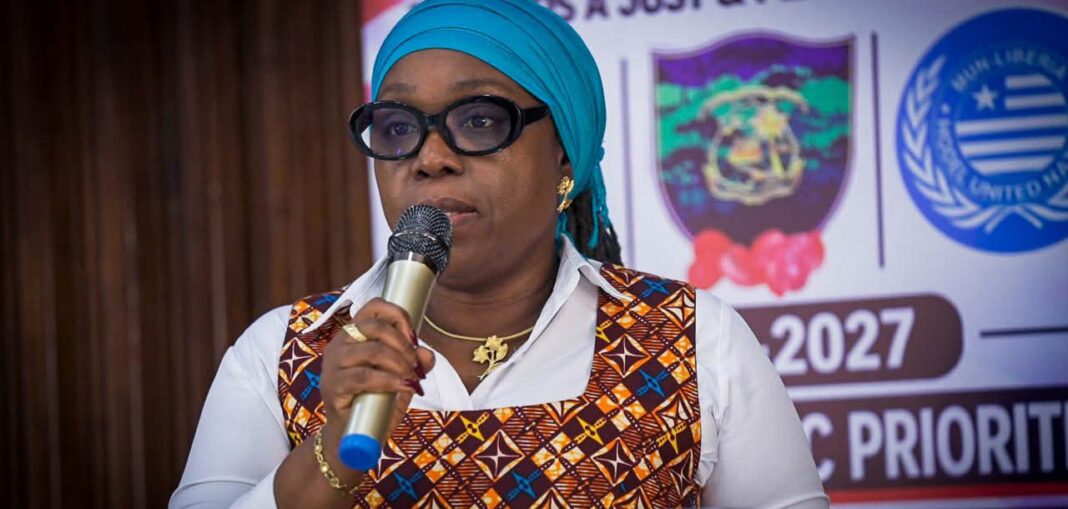
Speaking during the program, Foreign Minister Sara Beysolow Nyanti encouraged the young delegates to embrace the opportunity to develop their leadership potential, deepen their understanding of international affairs, and prepare themselves for future responsibilities in national and global leadership.
Nyanti described Liberia’s election to the United Nations Security Council for the 2026–2027 term as a historic achievement and a major milestone in the country’s diplomatic journey, particularly as Liberia prepares to preside over the Council in December.
She emphasized that Liberia’s return to the Security Council after more than six decades carries profound national and international significance, reflecting the country’s growing engagement in multilateral diplomacy and its commitment to global peace and security.
“You are living history, and you will be proud of this moment for many years to come,” Minister Nyanti told the students, encouraging them to recognize the importance of the moment and the opportunities it presents for their future.
The Foreign Minister reminded participants that Liberia was among the African countries that signed the United Nations Charter in 1945, underscoring the country’s longstanding commitment to multilateralism, international cooperation, and the principles of the United Nations.
She said Liberia’s upcoming Presidency comes at a significant period in the organization’s history, particularly amid ongoing developments within the United Nations and the leadership transition at the helm of the institution.
Nyanti urged the students to take advantage of the simulation to strengthen their understanding of diplomacy and international affairs while positioning themselves to contribute meaningfully to Liberia’s future diplomatic engagements.
The Model UN exercise provided participants with practical experience in representing different countries, articulating national positions, negotiating with other delegates, and engaging in formal Security Council deliberations.
Students examined critical questions concerning the structure, composition, effectiveness, and decision-making processes of the Security Council, while engaging in discussions on international peace and security challenges.
The simulated session also addressed issues including climate change, armed conflicts, emerging global threats, and the need for reforms to make the United Nations Security Council more representative and responsive to contemporary international realities.
Director-General of the Cabinet, Nathaniel T. Kwabo, also encouraged the students to remain focused on their education and develop the leadership skills needed to contribute to Liberia’s national development and international engagements.
Kwabo reaffirmed the Boakai Administration’s commitment to empowering young people and creating opportunities for their meaningful participation in governance and national development, emphasizing that the Office of the President remains open to youth engagement, participation, and leadership.
He reflected on Liberia’s progress over the past two to three years, noting that young Liberians continue to make the country proud through their achievements and growing contributions to national development.
The Cabinet Director-General urged the participants to strengthen their academic pursuits, remain disciplined, and prepare themselves for future leadership opportunities.
The Ministry of Foreign Affairs said the Model United Nations initiative forms part of its broader efforts to promote youth participation in diplomacy, strengthen public understanding of international affairs, and prepare young Liberians to contribute to global governance.
With Liberia set to preside over the Security Council in December 2026, the exercise provides an opportunity for students to better understand the responsibilities associated with the country’s diplomatic role and the importance of representing Liberia and Africa effectively on the international stage.
The initiative also reflects the Ministry’s commitment to ensuring that Liberia’s historic diplomatic engagement serves as an educational opportunity for young people, allowing them to connect classroom learning with practical experiences in international diplomacy.
Through the simulation, students were encouraged to view diplomacy not merely as a government activity but as a field in which young people can contribute to peacebuilding, international cooperation, policy development, and the advancement of Liberia’s national interests.
The Ministry said the program underscores the importance of preparing a new generation of Liberian leaders capable of engaging confidently in international affairs and contributing to global peace and security.