
Former Mines and Energy Minister Wilmot Paye has criticized the proposed US$5.7 billion infrastructure agreement between the Government of Liberia and Bea Mountain Mining Company, warning that the arrangement could undermine the country’s economic sovereignty and long-term revenue interests.
Paye questioned the cost of the proposed power project, raising concerns about whether the infrastructure package represents value for money for Liberia. His criticism adds to growing public debate over the financial structure, transparency and potential economic implications of the agreement.
He also called for a review of the existing mining concession, suggesting that the government should carefully examine the terms governing the company’s operations and ensure that Liberia’s interests are adequately protected.
Rather than relying on the proposed arrangement, Paye urged the government to explore alternative infrastructure financing mechanisms through competitive private-sector investment.
His position comes amid increasing calls from political figures, civil society organizations and other stakeholders for greater scrutiny of the Bea Mountain agreement before its ratification by the Legislature.
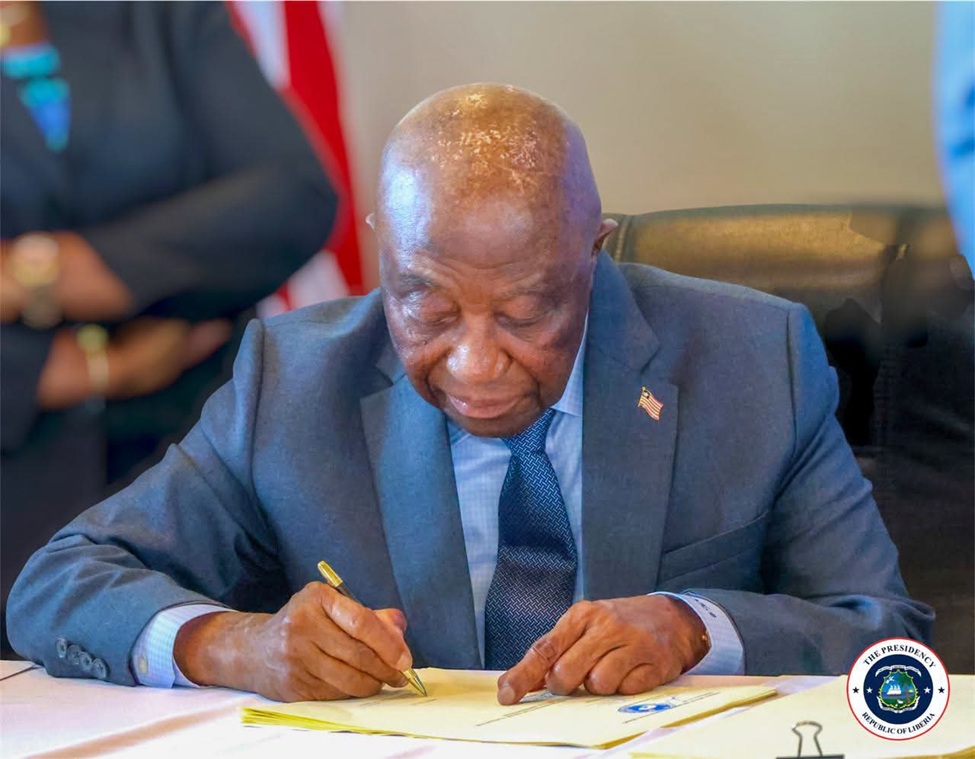
The proposed deal, which President Joseph Nyuma Boakai signed and submitted to the Legislature, has generated questions about project costs, repayment arrangements, government revenue deductions and the country’s long-term financial obligations.
Paye’s intervention further intensifies the debate over whether the agreement, in its present form, offers Liberia sufficient economic benefits and safeguards.
The government has a responsibility to demonstrate that the proposed investments are financially justified, transparently negotiated and structured to protect the country’s national interests.