By Socrates Smythe Saywon | Smart News Liberia
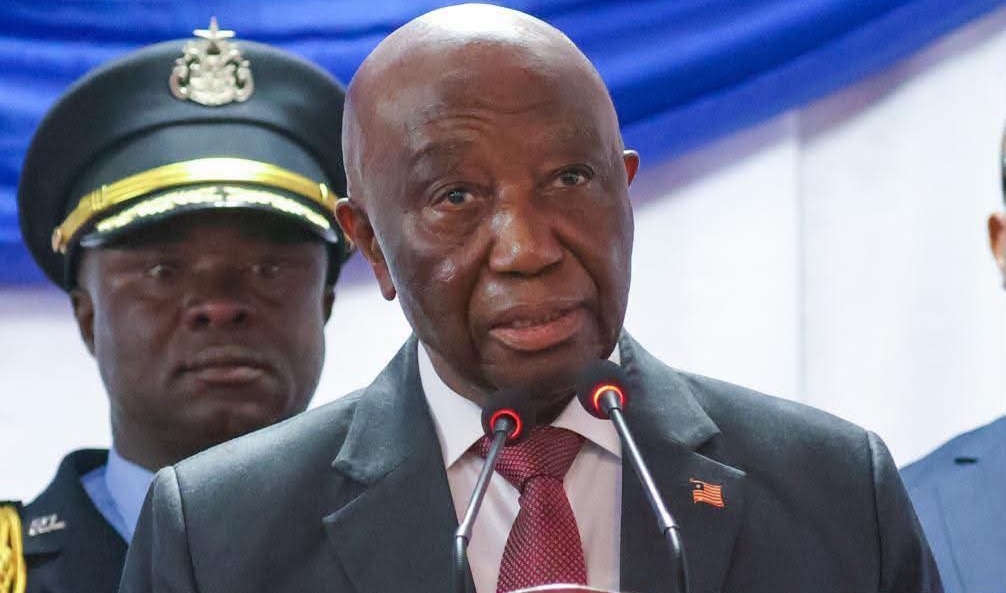
BUCHANAN, GRAND BASSA COUNTY – President Joseph Nyuma Boakai used Liberia’s 179th Independence Day address on Monday to announce an ambitious plan to reclaim the country’s historical records, revive key heritage institutions, and place Liberians at the center of documenting the nation’s history, while urging citizens to embrace a stronger national identity.
Speaking in Buchanan under the theme, “Strengthening National Identity Through Liberian-Led Historical Leadership,” President Boakai said Liberia’s future depends not only on economic development but also on preserving the country’s history, strengthening national unity, and promoting evidence-based scholarship.
The President announced the creation of a National Historical Recovery and Repatriation Initiative, which he said will work with international partners, universities, and cultural institutions to recover copies of Liberia’s historical records currently held abroad.
He also pledged to modernize the National Archives and the National Museum through improved infrastructure, digitization, preservation systems, and greater public access.
In another major announcement, Boakai directed the establishment of an intergovernmental technical committee to study the restoration and modernization of the historic Kendeja Cultural Center, once regarded as one of Liberia’s most important cultural institutions.
The President further announced that his administration will revive the National History Project, a recommendation of the Truth and Reconciliation Commission, with the goal of producing a comprehensive and inclusive account of Liberia’s history led by Liberian historians, archivists, archaeologists, anthropologists, educators, and other scholars.
Boakai emphasized that the project would remain independent of partisan politics.
“History should never be written through the lens of political convenience. It must remain an honest, evidence-based account of our national journey,” the President declared.
Throughout his address, Boakai repeatedly stressed the importance of national identity, arguing that Liberia’s greatest strength lies in its shared history, cultural diversity, democratic traditions, and resilience.
He said preserving Liberia’s documentary heritage is essential to ensuring that future generations understand the country’s past and build a stronger national identity.
The President also reflected on Liberia’s role as Africa’s first independent Black Republic and acknowledged the country’s complex history, including the transatlantic slave trade, political instability, civil conflict, and national reconciliation.
While the speech focused heavily on history, culture, and national identity, it comes at a time when many Liberians remain concerned about more immediate national challenges, including unemployment, the high cost of living, corruption, drug trafficking, insecurity, inadequate healthcare, and limited economic opportunities.
Political observers note that although the President outlined an ambitious cultural and historical agenda, many citizens continue to expect stronger action on bread-and-butter issues that directly affect their daily lives.
The address also follows months of heightened public debate over government accountability, public spending, and the administration’s anti-corruption commitments, issues that have increasingly dominated national discourse.
As Liberia moves closer to its bicentennial in 2047, Boakai urged Liberians to embrace a shared sense of nationhood beyond political, ethnic, religious, and regional differences.
“The greatest gift we can leave future generations is not only infrastructure or stronger institutions. It is a confident nation that understands itself,” he said.
The President concluded by thanking the people of Grand Bassa County for hosting this year’s Independence Day celebration and called on Liberians at home and abroad to work together in building a peaceful, united, and prosperous nation.
While the President’s vision for preserving Liberia’s history received significant attention, the success of the initiatives will ultimately depend on implementation, sustained funding, and whether the administration can balance its long-term cultural agenda with growing public demands for tangible improvements in governance, economic opportunity, and public services.