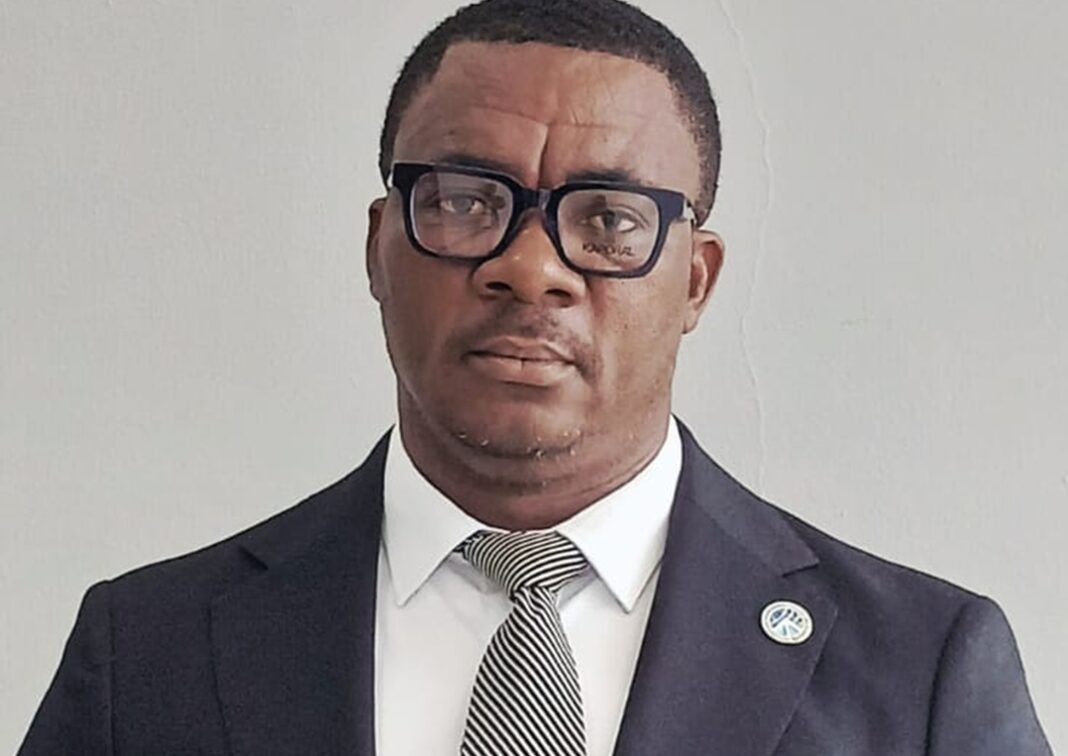

MONROVIA, LIBERIA — The call for the return of a fearless political figure is beginning to gather momentum, as supporters of the Congress for Democratic Change (CDC) prepare to petition former party chairman Mulbah K. Morlu to return to the grassroots party.
Morlu, a former chairman of the CDC, is being courted by supporters who believe his experience, political courage, and leadership could once again become valuable assets to a party seeking to strengthen its ranks and reconnect with its grassroots supporters.
Known for his outspoken disposition and fearless engagement in national affairs, Morlu remains a recognizable figure in Liberia’s political and civil society landscape. He currently heads STAND, a civil society organization involved in national advocacy and public-interest issues.
The planned petition is expected to appeal directly to the former chairman to reconsider his political distance and return to the party he once helped lead.
For many CDC supporters, this is not simply a call for another political endorsement. It is a call for the return of a familiar voice, an experienced hand, and a former leader whose presence they believe could inject renewed energy into the party’s political machinery.
At a time when the CDC is working to consolidate its opposition position and prepare for future political battles, the proposed move could carry considerable political significance.
Whether Morlu will accept the appeal remains to be seen. His current leadership role in civil society also raises questions about how he would balance that responsibility with any renewed partisan engagement.
Nevertheless, the message from those planning the petition appears clear: They want their former chairman back.
And as preparations reportedly take shape, one question is increasingly capturing attention within the CDC political family:
Will Mumbai K. Morlu answer the call, return to his political home, and once again join the ranks of the grassroots in the fight for the party’s future?
The planned petition could be the beginning of an interesting new chapter in Liberia’s opposition politics.