By Socrates Smythe Saywon | Smart News Liberia
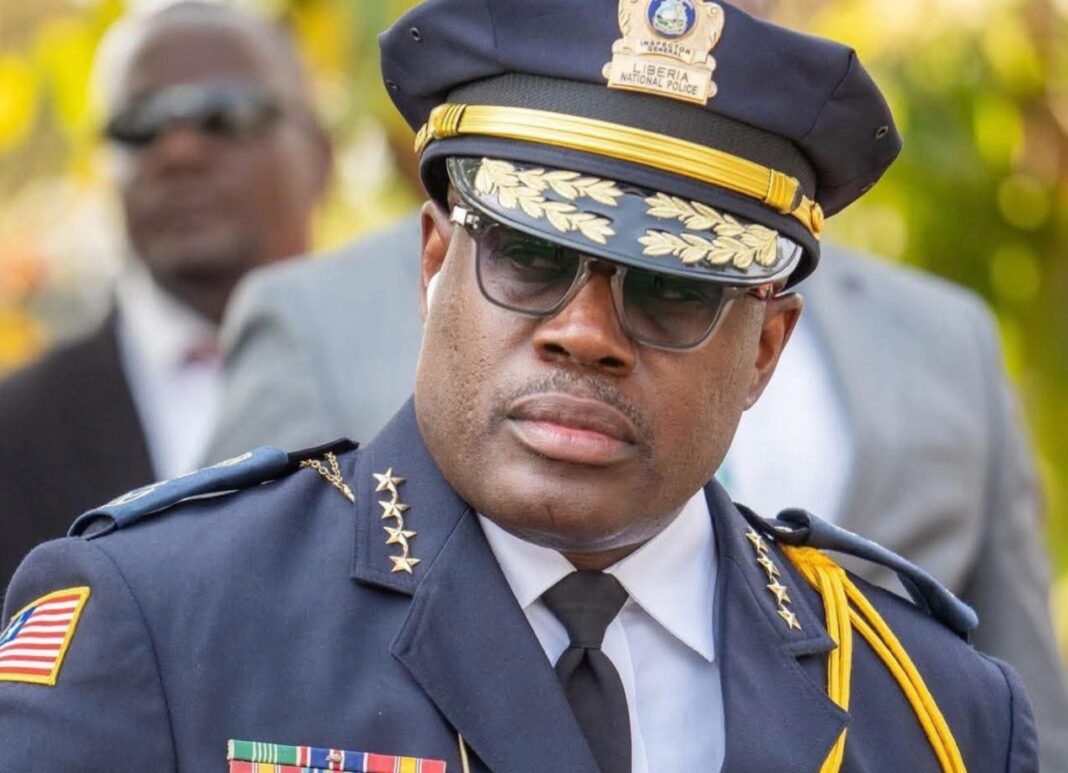
MONROVIA – Inspector General of the Liberia National Police (LNP), Col. Gregory O. W. Coleman, has disclosed that several state security officers are being investigated for allegedly facilitating the movement of cocaine in Liberia, as authorities intensify efforts to dismantle what he described as a sophisticated narcotics trafficking network operating in the country since 2021.
Coleman made the disclosure Thursday, July 30, 2026, at the Ministry of Information following the destruction of more than US$336 million worth of cocaine seized in separate operations in Margibi County and at Roberts International Airport (RIA).
According to Coleman, investigators have established that state actors within the security sector’s operational command structure allegedly assisted in transporting the narcotics from a landing site to a designated holding location.
He alleged that police vehicles were used during the operation, with one vehicle leading the shipment and another following behind.
Coleman said the security officers implicated are not among the highest-ranking officials in the country’s security structure but occupied positions that gave them sufficient authority to influence and coordinate the movement of the contraband.
The Police Inspector General identified Highway Patrol Chief Wadia Quabo and Major Crimes Chief Anthony Blaye as key suspects in the investigation.
He said both officers have been formally charged and detained at LNP Headquarters and are expected to be turned over to the courts for prosecution.
Coleman also disclosed that the deputy commander assigned to the Liberia Drug Enforcement Agency (LDEA) at Roberts International Airport has emerged as a significant figure in the investigation.
He did not provide detailed allegations against the LDEA official but said the officer is among several state actors being investigated as authorities work to establish the full extent of the alleged trafficking network.
The disclosure is particularly significant because RIA was the location of an earlier cocaine seizure involving approximately 237.6 kilograms of cocaine valued at about US$19.2 million.
Coleman said investigators are also looking into the possible involvement of current and former government officials whom he described as “cartel enablers.”
He alleged that the drug trafficking network has been operating in Liberia since 2021 and that several senior police officers may have been involved in using police escorts to transport narcotics.
The Inspector General did not publicly identify all individuals under investigation, saying the inquiry remains active.
Coleman also alleged that individuals linked to the cartel have been providing money to some media actors as part of an effort to undermine the investigation, spread misinformation and divert public attention from the case.
According to Coleman, the alleged campaign is intended to influence public opinion in a manner that could benefit individuals implicated in the narcotics investigation and potentially help them avoid prosecution.
He said such activities could undermine the investigation and damage Liberia’s image.
The allegations involving media actors have not been independently substantiated, and Coleman did not publicly identify the journalists or media organizations allegedly involved.
The disclosure comes amid growing public scrutiny of the government’s handling of the country’s largest recent cocaine seizures.
On Thursday, Liberia’s Joint Security destroyed cocaine valued at more than US$336 million from two separate operations.
The drugs included approximately 3,971 kilograms of cocaine seized in Duazon, Margibi County, with an estimated value of US$317.68 million, and approximately 237.6 kilograms seized at Roberts International Airport, valued at about US$19.2 million.
The destruction took place in Zeewhorr, Margibi County, where senior government officials and security authorities were present.
Among those at the destruction site were Justice Minister and Attorney General Cllr. Oswald Natu Tweh, Information Minister Jerolinmek Matthew Piah, Executive Protection Service Executive Director Sam Gaye and other officials.
The cocaine seized in Duazon was reportedly intercepted following an investigation into an alleged international trafficking network operating in Liberia.
The earlier RIA seizure involved cocaine reportedly destined for Europe and led to a separate investigation and prosecution process.
The latest revelations by Coleman have now expanded the focus from the traffickers allegedly operating outside the government to possible state involvement in facilitating the movement of the narcotics.
The alleged use of police escorts is likely to attract further scrutiny because police vehicles and personnel are intended to enforce the law and protect the public, not facilitate the movement of illegal substances.
Coleman assured the public that the investigation would continue and that findings would be released through the LNP Press and Public Affairs Division.
He also reaffirmed the government’s commitment to holding individuals accountable regardless of their position or status.
The Inspector General’s allegations have yet to be tested in court, and the accused officers are presumed innocent unless proven guilty through due process.
The investigation is expected to determine whether the suspected security officers acted independently or as part of a wider network involving other government officials, private individuals and international drug trafficking organizations.
Investigators are also expected to establish how the cocaine entered Liberia, who financed and coordinated its movement, who provided logistical support and whether additional security personnel or public officials were involved.
The destruction of more than US$336 million worth of cocaine represents one of Liberia’s largest publicly reported anti-narcotics operations. However, the emerging allegations of security-sector involvement have raised new questions about the country’s vulnerability to infiltration by organized criminal networks.
For the government, the challenge now extends beyond the destruction of the seized drugs. Investigators will be under pressure to identify and prosecute those responsible for financing, coordinating and facilitating the alleged trafficking operation.