SMART NEWS | HISTORICAL REFLECTION | NOVEMBER 12, 2026
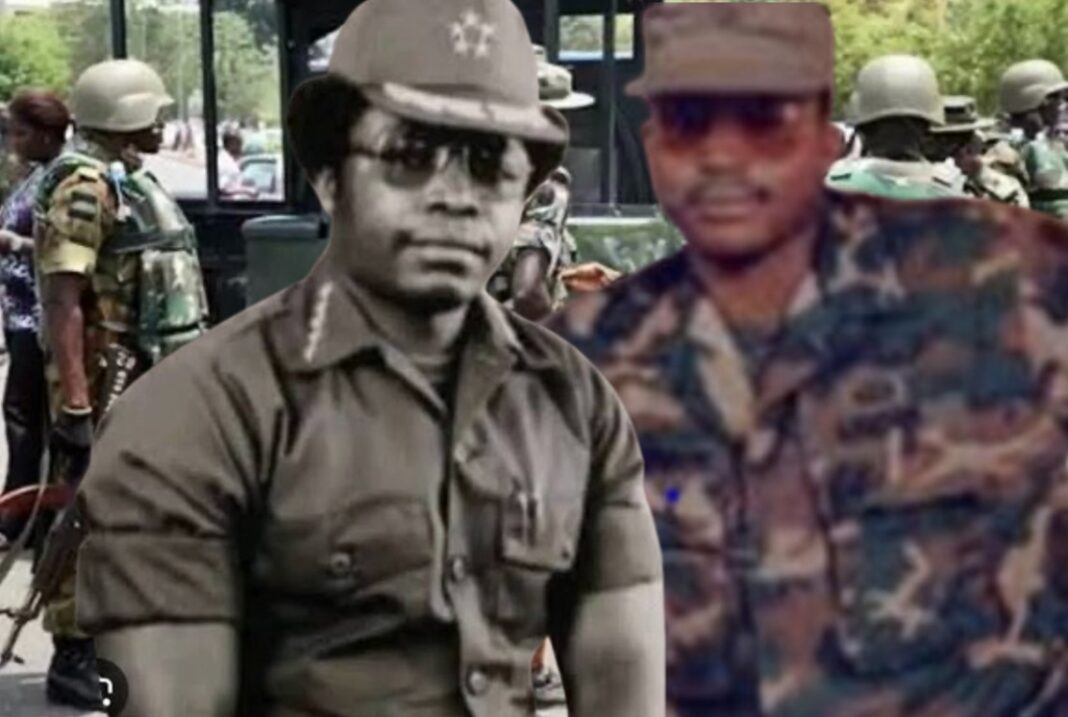
MONROVIA, LIBERIA — Forty-one years ago, on November 12, 1985, Liberia was thrown into one of the darkest and most consequential political episodes in its modern history when former Armed Forces Commanding General Thomas G. Quiwonkpa led an armed attempt to overthrow the government of then-President Samuel Kanyon Doe.
What began as an attempted military takeover quickly turned into a bloody confrontation that shook Monrovia, exposed deep divisions within the Liberian military and political establishment, and set the stage for a wave of violence whose consequences would haunt the country for years.
Today, as Liberia commemorates November 12, the anniversary offers more than an opportunity to remember a failed coup. It is a moment to reflect on the dangers of political intolerance, ethnic divisions, military intervention, abuse of state power and the failure of national institutions to protect citizens.
THE DAY MONROVIA WAS SHAKEN
In the early hours of November 12, 1985, forces loyal to General Quiwonkpa launched an armed operation against President Doe’s government.
Quiwonkpa, who had previously served as Liberia’s top military commander before falling out with Doe and going into exile, announced through radio broadcasts that his forces had taken control of the government.
For several hours, the situation remained uncertain as fighting erupted around strategic locations in Monrovia, including the Executive Mansion and the area around Radio ELWA.
The attempted takeover initially generated excitement among sections of the population opposed to Doe’s increasingly authoritarian government.
However, troops loyal to Doe regrouped, defeated the rebel forces and restored the government’s control.
Quiwonkpa was captured and killed.
The failed operation marked a decisive turning point in Liberia’s political crisis.
THE AFTERMATH: WHEN A FAILED COUP BECAME A NATIONAL TRAGEDY
The most painful consequences of November 12 came after the fighting.
Following the collapse of the coup attempt, government forces carried out widespread arrests, killings and reprisals against people suspected of supporting Quiwonkpa.
The Gio and Mano communities, particularly in Nimba County, faced severe persecution because of their perceived association with the former general.
Human-rights reporting on the 1985 events documented allegations of summary executions, disappearances, looting and ethnic reprisals.
Although reliable casualty figures were never established, contemporary human-rights reporting cited unconfirmed estimates of between 450 and 500 deaths during the coup attempt and its aftermath.
The violence deepened ethnic mistrust and political resentment, leaving wounds that would become part of the grievances preceding Liberia’s civil war.
THE POLITICAL CRISIS BEHIND NOVEMBER 12
The attempted coup did not happen in a political vacuum.
It followed the October 1985 general elections, in which Samuel Doe was declared the winner amid widespread allegations of electoral fraud and irregularities.
Opposition figures and critics challenged the credibility of the results, while the political environment became increasingly hostile.
The confrontation between Doe and Quiwonkpa reflected a wider struggle over political power, military loyalty, democratic legitimacy and the future of Liberia.
But regardless of the grievances against the Doe government, the events that followed demonstrated the devastating consequences when political disputes are settled through violence rather than constitutional and democratic institutions.
THE LESSONS LIBERIA MUST NEVER FORGET
Forty-one years later, Liberia has experienced military dictatorship, two devastating civil wars, transitional governments and successive democratic administrations.
Thousands of lives were lost during the country’s civil conflicts, families were displaced, communities were destroyed and national institutions were severely weakened.
The country has since made significant progress in restoring constitutional governance and maintaining democratic transitions.
Yet November 12 raises questions that remain relevant to Liberia’s political leadership today.
Can Liberia build a democracy in which political opponents are treated as legitimate participants rather than enemies?
Can government institutions operate independently of political influence?
Can citizens demand accountability without fear of intimidation or persecution?
And can national leaders resist the temptation to use ethnicity, political loyalty or state power to divide the country?
These questions are particularly important in a country whose history demonstrates how quickly political intolerance and institutional failures can escalate into national tragedy.
A WARNING TO TODAY’S POLITICAL LEADERS
November 12 should not be remembered simply as the failed coup of Thomas Quiwonkpa.
It should also be remembered as a warning about the dangers of authoritarianism, political exclusion, electoral manipulation, ethnic persecution and impunity.
Liberia cannot afford to repeat the mistakes that pushed the country toward national catastrophe.
No political party, ethnic group, military institution or individual leader owns Liberia. The country belongs to all its citizens, regardless of political affiliation, ethnic background or economic status.
The responsibility of today’s leadership is therefore not merely to maintain political power but to protect democratic institutions, uphold the rule of law, guarantee civil liberties and ensure that no Liberian is punished for belonging to a particular community or supporting an opposing political movement.
NOVEMBER 12: A DAY FOR REMEMBRANCE, NOT POLITICAL REVENGE
As Liberia reflects on the 41st anniversary of the November 12, 1985 attempted coup, the country must remember the victims, acknowledge the suffering of affected communities and recommit itself to national reconciliation.
History should not be manipulated to promote political hatred or justify violence. It should be studied honestly so that future generations understand the consequences of intolerance, dictatorship and the abuse of power.
Forty-one years after November 12, the central lesson remains clear: Liberia’s peace must never again be sacrificed on the altar of political ambition.
SMART NEWS — Remembering the past, questioning the present and protecting Liberia’s future.