
By Socrates Smythe Saywon | Smart News Liberia
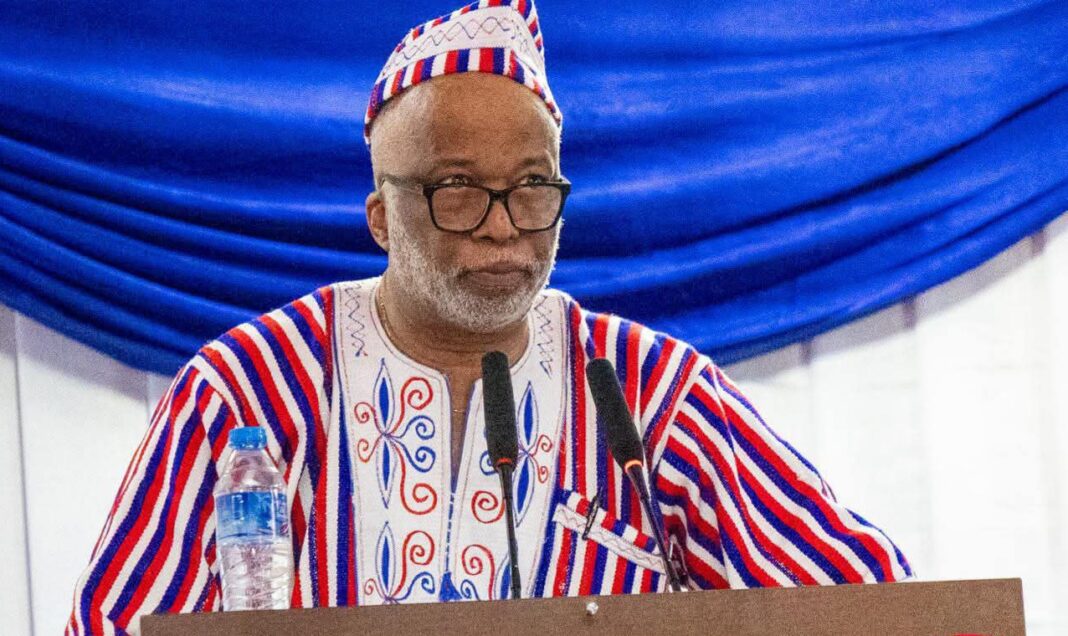
MONROVIA – Senator Cllr. Augustine S. Chea of Sinoe County has questioned why Dr. Herbert Brewer’s 179th Independence Day oration, despite its strong historical analysis and scholarship, has failed to generate a significant national conversation about Liberia’s future.
In a statement issued Thursday, July 30, 2026, days after Liberia celebrated its 179th Independence Anniversary, Chea praised Dr. Brewer’s presentation but argued that the National Orator missed an opportunity to connect Liberia’s history with the governance challenges confronting the country today.
Dr. Brewer delivered the Independence Day address under the theme, “Strengthening National Identity Through Liberian-Led Historical Social Leadership.”
Chea said the oration dealt substantially and objectively with Liberia’s past, a history he said is too often misunderstood, misinterpreted or deliberately distorted.
He commended Brewer for the depth of his research, the objectivity of his analysis and the scholarship he brought to the national occasion.
Chea said he was captivated by the speech from beginning to end.
“In fact, I did not want him to end,” the senator wrote, adding that, more accurately, he “did not want him to end where he did.”
According to Chea, his disappointment was not with Brewer’s historical analysis but with what he considered the absence of a stronger connection between Liberia’s historical experience and the country’s present governance challenges.
History Must Connect With Liberia’s Present
Chea argued that an Independence Day oration should be more than a lecture on history.
In his view, such an address should connect the nation’s past, present and future, using historical lessons to encourage national reflection and provide thoughtful guidance on the path ahead.
“History, by its very nature, is not an end in itself,” Chea wrote. “It is valuable because it illuminates the present and helps shape the future.”
He said that discussing Liberia’s historical beginnings, struggles for sovereignty, constitutional government and national unity without meaningfully engaging the country’s current governance challenges leaves the national conversation incomplete.
Chea pointed to a range of issues currently occupying public attention, including accountability, ethical leadership, integrity in public service, respect for the rule of law, corruption, economic hardship, youth unemployment, political polarization and declining public confidence in state institutions.
He argued that these challenges offered an opportunity for the National Orator to demonstrate how Liberia’s historical experiences could provide lessons for contemporary leadership.
Chea Raises Sovereignty, Drug Seizure and Public Spending Concerns
The Sinoe senator also referenced several recent issues that he said have intensified public concern over governance, national sovereignty and accountability.
Among them, he cited concerns regarding the alleged encroachment of Liberia’s territory by Guinea.
He also pointed to the reported seizure of cocaine valued at more than US$500 million, saying the incident has generated significant public concern and calls for transparency amid allegations involving senior government officials and members of President Joseph Nyuma Boakai’s family.
Chea further referenced public debate surrounding President Boakai’s reported decision to commit approximately US$10 million in public funds toward the construction of what has been described as a retirement resort in Foya, Lofa County.
The senator said Liberians have questioned the priority of such spending at a time when many citizens continue to face severe economic hardship and the country remains confronted by challenges in healthcare, education, electricity and job creation.
Not a Call for a Partisan Speech
Chea emphasized that his criticism should not be interpreted as a demand for a partisan Independence Day address.
He said the National Orator did not need to turn the occasion into a platform for condemning the government.
Instead, Chea argued that Brewer could have used Liberia’s history to remind current leaders that every generation is judged not simply by the stories it tells about the past, but by the integrity, accountability and stewardship it demonstrates in the present.
“History acquires its greatest significance when it serves as a mirror through which a nation examines itself,” Chea stated.
He maintained that connecting Liberia’s historical legacy to contemporary governance challenges would not have diminished Brewer’s scholarly achievement.
Rather, he said, it would have demonstrated how the lessons of Liberia’s past remain relevant to confronting the realities of today and shaping the Republic of tomorrow.
What Does Liberia’s History Demand of Today’s Leaders?
Chea offered several questions that he believes could have helped bridge Brewer’s historical narrative with Liberia’s current realities.
If Liberia’s forefathers demonstrated courage in defending national sovereignty, he asked, what does that history demand of today’s leaders when the country’s territorial integrity is questioned?
If earlier generations sacrificed for constitutional government and democracy, he asked, how faithfully are present institutions protecting constitutionalism and democratic values?
And if Liberia’s history teaches the importance of unity across diverse communities, how should contemporary leaders confront political division and exclusion?
For Chea, these are the questions that could have transformed the Independence Day oration from a historical account into a broader civic reflection.
He said Brewer himself offered a powerful foundation for such a discussion when he reminded the nation that patriotism is measured not by inheriting a perfect Republic, but by leaving it stronger than it was found.
That observation, Chea argued, naturally raises another question: Is today’s Liberia becoming stronger in governance, justice, transparency, national discipline and democratic accountability?
According to the senator, addressing that question would not have required partisan criticism.
Instead, he said, it would have transformed historical reflection into civic instruction.
Why Brewer’s Speech May Not Have Sparked Wider Debate
Chea believes the absence of a stronger connection between history and current national problems may explain why Brewer’s Independence Day speech has not generated the level of public debate some expected.
“The oration educated; it informed; it corrected historical misconceptions,” Chea wrote. “But it stopped short of applying its historical lessons to the pressing realities that dominate everyday Liberian life.”
He said many Liberians were looking not only for a deeper understanding of where Liberia has been, but also for thoughtful insight into where the country is now and where it must go.
Chea recalled making his disappointment known to a colleague seated next to him during the Independence Day program, but said the colleague interpreted his criticism from a partisan perspective.
The senator, however, maintained that his concern goes beyond partisan politics.
For him, the central issue is whether Liberia’s historical legacy is being translated into effective leadership, accountable institutions and responsible governance.
Chea Maintains Praise for Brewer
Despite his criticism, Chea made clear that he does not intend to diminish Dr. Brewer’s achievement.
On the contrary, he said Brewer’s oration may well stand as “one of the finest historical presentations ever delivered on Liberia’s Independence Day.”
He praised the National Orator for challenging distorted historical narratives, celebrating Liberia’s resilience and reaffirming a shared national identity rooted in history rather than political convenience.
Chea’s assessment ultimately presents a larger challenge for Liberia’s national discourse. History, he argues, should not merely be remembered and celebrated on Independence Day. It should also serve as a standard against which the country’s present leadership, institutions and democratic values are measured.
The senator’s argument therefore shifts the focus from simply asking where Liberia came from to a more pressing question about the country’s 179th year. Is the Liberia being governed today becoming the stronger, more accountable and democratic Republic that previous generations sacrificed to build?