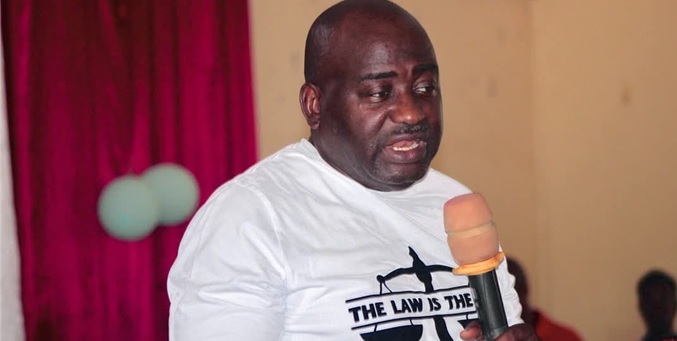
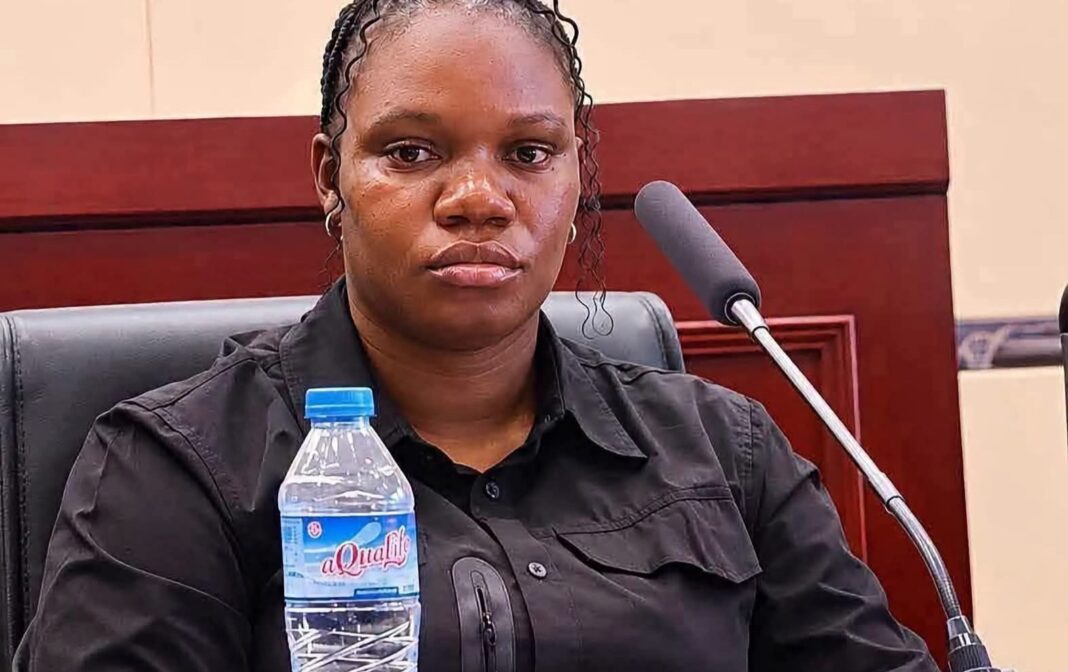
Senator Edwin Snowe presses Precious Rue for names as controversial graduation remarks shake her confirmation hearing, raising questions about alleged political assurances and a financial offer linked to the illegal drug trade.
MONROVIA — Before she could even settle into the prospect of becoming one of the senior officials responsible for fighting Liberia’s drug trade, Precious Rue found herself facing difficult questions about two extraordinary promises: a top position at the Liberia Drug Enforcement Agency (LDEA) and an alleged US$10,000 monthly payment connected to drug money.
The controversy followed Rue, President Joseph Boakai’s nominee for Deputy Director General for Operations at the LDEA, into her Senate confirmation hearing, where Bomi County Senator Edwin Snowe demanded explanations about remarks she reportedly made during her graduation celebration.
What appeared to be a moment of celebration has now become a serious public issue, placing her nomination under scrutiny and raising questions about the people allegedly involved in promises of political appointment and money from drug proceeds.
During the hearing, Snowe pressed Rue to identify the individual who allegedly promised her US$10,000 every month from drug-related money. He also wanted to know who had assured her that she would secure the LDEA position.
But rather than provide the identities of the individuals, Rue declined to name them and repeatedly apologized to the Senate.
She explained that her graduation remarks were made in the excitement of the occasion and had been taken out of context.
Her apology, however, did not settle the central questions. Instead, the exchange brought renewed attention to the circumstances surrounding her anticipated appointment and the alleged financial promise.
The hearing eventually ended abruptly and was postponed, leaving lawmakers and the public without clear answers to the questions that had emerged.
A GOVERNMENT JOB ALLEGEDLY PROMISED BEFORE GRADUATION
One of the most troubling aspects of Rue’s reported graduation remarks is the apparent suggestion that she had been assured of the LDEA appointment even before completing her college education.
Her comments have raised questions about whether individuals close to President Boakai, or people with access to the Executive Mansion, had already discussed or promised her the position before the official nomination process.
If that interpretation is accurate, who were these individuals, and what authority did they have to make such assurances?
Was Rue informed of her anticipated appointment by government officials, political associates or individuals operating within the President’s inner circle?
Was the position discussed before her graduation, and if so, what qualifications or considerations formed the basis of that understanding?
These are questions that the Senate should not overlook. The LDEA is not an ordinary government office. It is a national security institution entrusted with confronting powerful drug trafficking networks and investigating individuals involved in the narcotics trade.
The public therefore has a legitimate interest in understanding whether appointments to such sensitive positions are determined through established procedures or influenced by private political assurances.
WHO WAS PREPARED TO PAY HER US$10,000 MONTHLY?
Beyond the alleged promise of an appointment, the reference to US$10,000 every month from drug-related money raises an even more serious question.
Who allegedly made that financial promise to Rue?
Was the individual connected to a drug trafficking cartel? Was the offer intended to secure protection, influence operations or establish a relationship with someone who would occupy a senior position within the country’s anti-drug agency?
Or, as Rue explained to the Senate, were her graduation remarks misunderstood and taken out of context?
These questions require evidence, not speculation. There is currently no established basis to conclude that Rue received the alleged money, accepted an offer from a cartel or participated in drug trafficking.
However, if the statement reflected an actual approach by individuals connected to the illegal drug trade, the matter should be referred to the appropriate investigative authorities.
A person nominated to help direct operations at the LDEA must be able to explain any reported contact or financial offer involving the very criminal interests the institution is mandated to confront.
Rue’s repeated apologies may explain her regret over the remarks, but they do not identify the people allegedly behind the promises or establish whether the financial offer was real.
THE EXECUTIVE MANSION CONNECTION
The apparent suggestion that Rue knew about her anticipated appointment before graduation also raises questions about the possible involvement of people close to the President.
Was anyone at the Executive Mansion aware of the alleged assurance? Did someone within the President’s political or administrative circle discuss the appointment with her before the formal nomination?
The Executive Mansion should clarify whether any official or associate had communicated such an assurance to Rue.
It is important to distinguish between an inference arising from her reported remarks and an established fact. There is, at this stage, no independently verified evidence identifying anyone at the Executive Mansion as having promised her the position.
Nevertheless, the Senate has an opportunity to establish the facts rather than allow unanswered questions to undermine confidence in the appointment process.
A CRITICAL TEST FOR THE SENATE AND THE LDEA
The controversy comes at a time when Liberia continues to confront the serious consequences of drug trafficking and the challenges of strengthening its anti-narcotics institutions.
The LDEA is expected to investigate drug networks, disrupt trafficking operations and bring those responsible before the courts. Its senior officials must therefore command public confidence and demonstrate independence from criminal and political influence.
The Senate should establish who allegedly promised Rue the position before graduation, whether those individuals had connections to the Executive Mansion, and what role, if any, they played in the appointment process.
It should also seek a clear explanation of the alleged US$10,000 monthly payment, including the identity of the person who supposedly made the offer and whether Rue ever reported the matter to law enforcement.
The postponement of the hearing provides an opportunity for lawmakers to seek further clarification before reaching a decision on the nomination.
THE QUESTIONS THAT CANNOT BE IGNORED
Who promised Precious Rue the LDEA position before she graduated from college?
Were those individuals connected to President Boakai or the Executive Mansion?
Was the appointment discussed or assured before the President formally nominated her?
Who allegedly offered her US$10,000 every month from drug-related money?
Was the person behind that alleged offer connected to a drug cartel?
Did Rue ever receive money, accept any offer or report the alleged approach to the relevant authorities?
Has the Ministry of Justice or the LDEA investigated the circumstances surrounding her graduation remarks?
These questions deserve direct answers.
For President Boakai’s administration, the issue is not simply the controversy surrounding one nominee. It concerns the credibility of the institution expected to lead Liberia’s fight against drug trafficking.
For the Senate, the responsibility is to establish whether the nominee’s explanations adequately address the concerns raised during the hearing.
And for Rue, the opportunity remains to clarify exactly what she meant, identify the individuals she was referring to, and explain whether the alleged financial promise was real or merely a statement made in the excitement of graduation.
A position at the agency responsible for fighting drug cartels must never be clouded by unanswered questions about promises of money from the drug trade. The Liberian public deserves clarity before its trust is placed in the hands of those expected to protect the country from narcotics trafficking.