By Our Reporter | Smart News Liberia
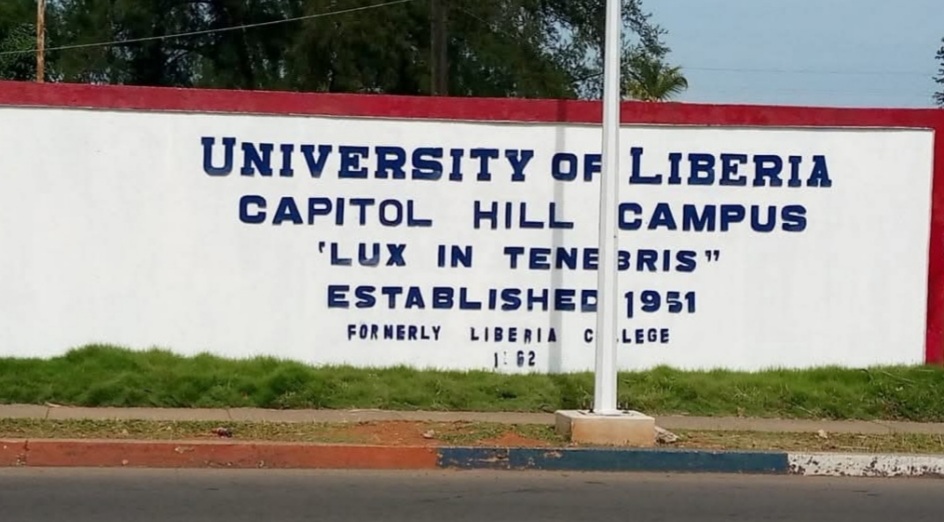
MONROVIA – Reports of a possible increase in student registration fees at the University of Liberia have sparked strong opposition from the Student Unification Party (SUP) and the civil society movement STAND, both of which are resisting any attempt to alter Liberia’s free tuition policy amid the country’s worsening economic conditions.
The controversy intensified after comments attributed to the university administration sparked speculation that student registration fees could rise to LD$10,000. The reported proposal immediately triggered backlash from student leaders and civil society groups, who argued that ordinary Liberians are already struggling under severe economic pressure, rising transportation costs, and increasing prices for food and basic commodities.
In a statement issued Monday, May 18, 2026, SUP warned both the Government of Liberia and the university administration against what it described as any attempt to undermine free tuition at the state-run institution. The student movement argued that many students remain financially vulnerable and would be unable to continue their education if additional financial burdens are imposed.
“Education should remain accessible to all Liberians regardless of their financial status,” SUP declared, while describing any move to abolish or increase tuition-related costs as “economically unsound.” The student organization further vowed to mobilize resistance and organize protests should the government or university administration proceed with any fee increment.
SUP also accused the university leadership of allegedly failing to adequately address long-standing challenges confronting students, including transportation difficulties, poor academic conditions, and limited student support services. According to the group, while students continue to struggle daily, senior officials are allegedly benefiting from huge salaries and institutional privileges.
Beyond the tuition debate, SUP used the statement to criticize what it described as a “political witch-hunt” against former Finance Minister Samuel D. Tweah following his recent acquittal in the controversial US$6.2 million corruption case. The student movement accused the Unity Party-led government of selective justice and condemned what it called the silence of civil society and religious leaders on issues affecting democracy and the rule of law.
Meanwhile, STAND also entered the debate with a sharp condemnation of the reported registration fee increase. The group described the proposed LD$10,000 fee as “wicked, heartless, and unacceptable,” arguing that struggling students and low-income parents are already being overwhelmed by the country’s difficult economic situation.
“At a time when taxes are rising without mercy, transportation fares are skyrocketing, and the prices of food, basic commodities, and essential social services continue climbing daily, adding more pressure on poor students and suffering parents is unacceptable,” STAND said in its statement. The organization further described the proposed increase as “an economic war against struggling students and hardly employed parents.”
STAND called on the government to subsidize the University of Liberia instead of transferring operational challenges onto students. The group argued that education must not become “a privilege for the wealthy” while ordinary Liberian families continue battling poverty and economic hardship. “Reverse it now,” the organization demanded.
Amid the growing public backlash, UL President Layli Maparyan moved to calm tensions by clarifying that the university has not approved any immediate increase in student fees. Speaking on her radio program, Dr. Maparyan stated, “We are NOT raising student fees now or next semester, but we need to think together and dialogue about how to achieve the University we want given the rising costs of the things we want.”
The UL President emphasized that the university’s long-term transformation is being guided by what she described as the “Five E’s”: Education, Effectiveness, Efficiency, Excellence, and Ethics. According to Dr. Maparyan, those principles are intended to strengthen academic quality, institutional performance, and integrity while positioning the University of Liberia for a stronger future. However, despite her clarification, the controversy has already ignited a broader national debate over education affordability, governance, and the growing economic struggles facing ordinary Liberians.