By Socrates Smythe Saywon | Smart News Liberia
MONROVIA – Liberia’s anti corruption fight is facing renewed public distrust following the controversial acquittal of former Finance Minister Samuel D. Tweah and former FIA Comptroller D. Moses P. Cooper in the US$6.2 million corruption case. What many Liberians expected to strengthen confidence in accountability has instead triggered difficult national questions about corruption, jury integrity, public trust, and whether Liberia’s justice system can truly hold powerful officials accountable.
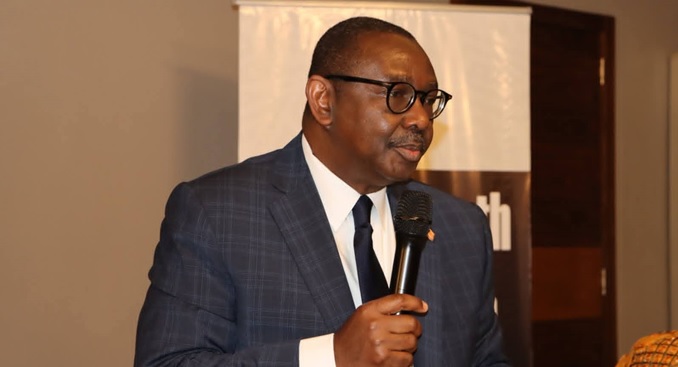
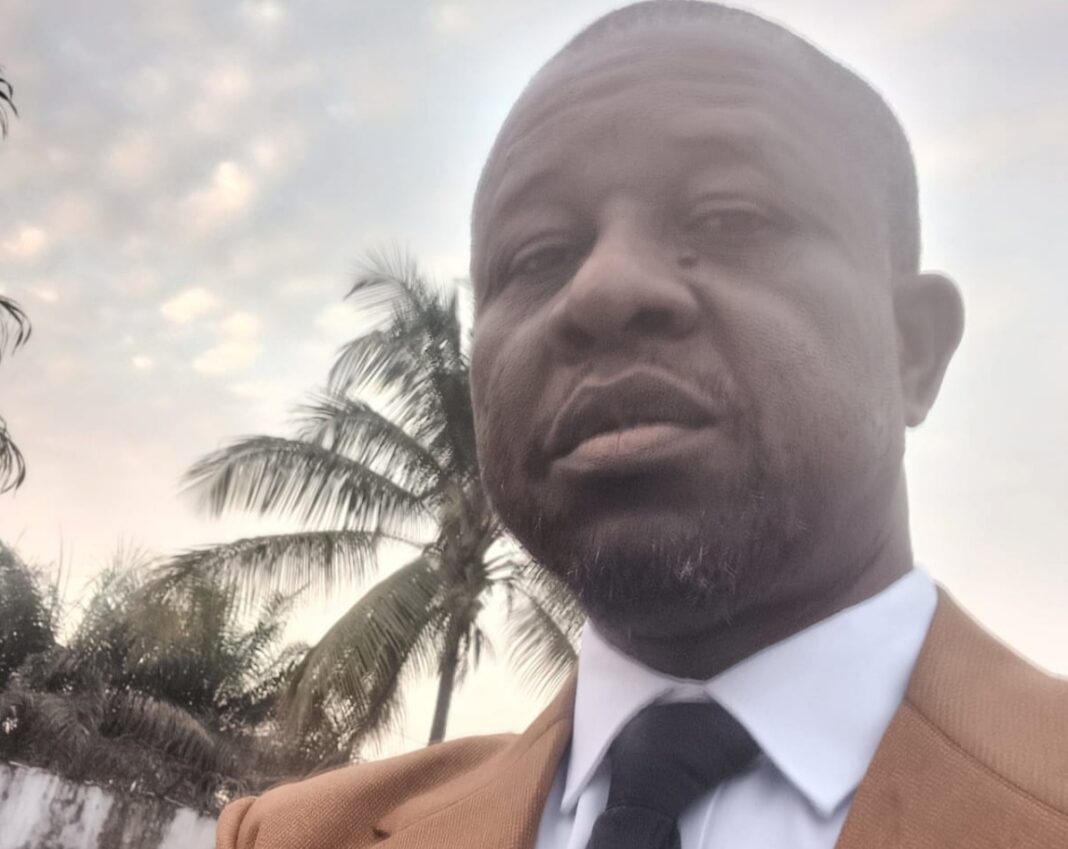
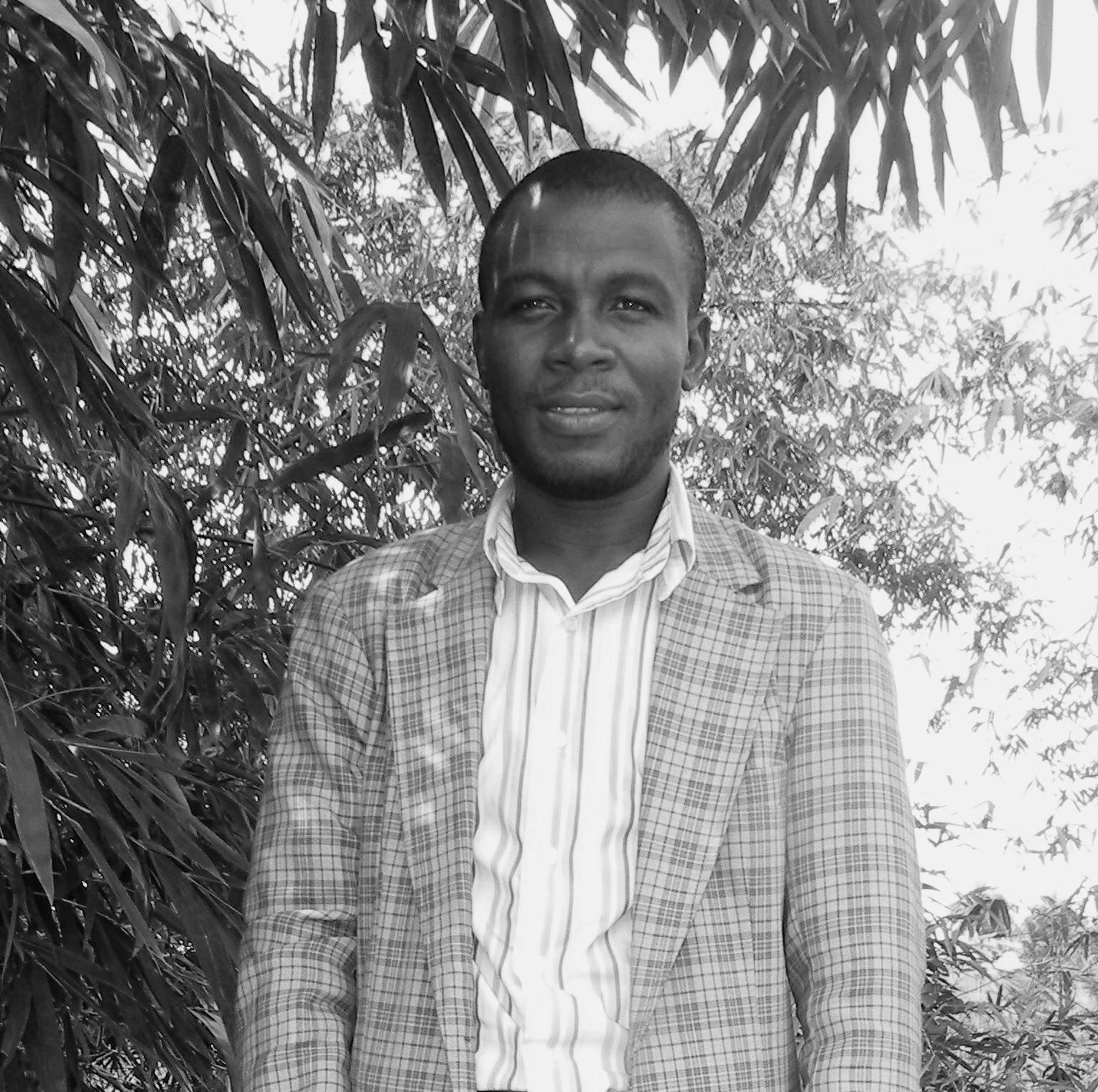
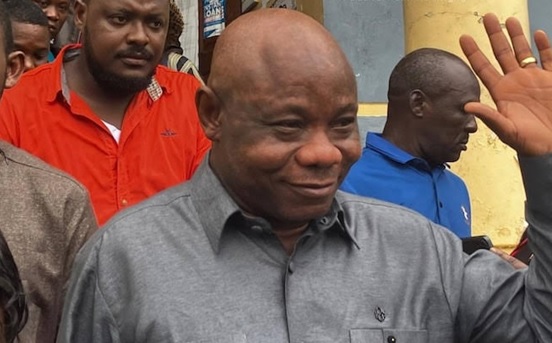
The mixed verdict delivered on Friday, May 8, 2026, by the 12 member jury after 46 days of legal battle at Criminal Court “C” has left the country sharply divided. While former Acting Justice Minister Nyenati Tuan and former National Security Advisor Jefferson Karmoh were found guilty on some charges, Tweah and Cooper were fully acquitted of all counts. Former FIA Director General Stanley S. Ford received multiple hung verdicts, leaving parts of the case unresolved and adding further uncertainty to an already controversial trial.
But beyond the legal outcome itself, what is now deeply troubling the public are growing reports of possible jury tampering and allegations of misconduct among jurors themselves. Reports indicate that complaints have already been filed before Criminal Court “C” seeking an investigation into claims that some jurors may have been improperly influenced during deliberations. If substantiated, such allegations could shake the very foundation of Liberia’s judicial credibility and potentially open discussions for a retrial.
The allegations have intensified public skepticism because corruption cases in Liberia rarely end without controversy. Time after time, ordinary Liberians hear dramatic accusations involving missing public funds, economic sabotage, and abuse of office, only for trials to collapse into confusion, mistrials, acquittals, or political disputes. This recurring pattern has gradually weakened public confidence in the country’s justice system and anti corruption institutions.
The situation became even more politically sensitive after social media reports falsely claimed that Chief Justice Yamie Quiqui Gbeisay had ordered an investigation into alleged jury tampering linked to the case. The Judiciary quickly dismissed the report as “false, misleading and reckless,” clarifying that the Chief Justice had issued no such directive or instruction. While the Judiciary was right to reject misinformation, the larger issue remains unresolved. Liberians still want credible answers about whether the jury process itself was compromised.
At the center of the growing national debate is an uncomfortable reality that many citizens are now openly discussing. If ordinary Liberians serving as jurors are themselves allegedly vulnerable to influence, intimidation, or corruption, then what hope does the country have in genuinely fighting financial crimes involving powerful officials? This question now hangs heavily over the nation’s justice system.
Montserrado County Senator Abraham Darius Dillon added fuel to the national conversation when he sharply criticized the role of ordinary citizens serving on juries. Writing on Facebook shortly after the verdict, Dillon argued that the same ordinary Liberians who constantly accuse public officials of corruption are often the very people who later free accused officials when given the opportunity to judge them under the law.
His comments were controversial, but they exposed a painful contradiction within Liberian society. Liberians regularly complain about corruption destroying the nation. Citizens condemn lavish lifestyles of public officials while communities remain trapped in poverty. Yet when corruption cases finally reach the courtroom, verdicts often leave the public questioning whether accountability is truly possible.
The troubling reality is impossible to ignore. Liberia remains heavily underdeveloped despite decades of international assistance, natural resource wealth, and repeated promises of reform. Roads continue to deteriorate across the country. Hospitals struggle with inadequate medical supplies. Schools operate under deplorable conditions. Youth unemployment remains dangerously high. Many communities still lack electricity, safe drinking water, and basic sanitation. In such conditions, allegations involving millions of dollars in public funds naturally provoke anger and emotional reactions from struggling citizens.
For many ordinary Liberians, corruption is no longer viewed simply as a legal issue. It is seen as a direct contributor to poverty, suffering, and national stagnation. Every corruption allegation involving public money immediately raises painful questions. Could those funds have improved hospitals? Could they have paid civil servants? Could they have repaired roads or strengthened schools? These are the questions echoing through communities following the verdict.
At the same time, Liberia now faces difficult legal and moral questions about the standard of justice itself. Under the law, acquittal does not necessarily mean innocence. It means prosecutors failed to establish guilt beyond reasonable doubt. That legal principle is essential in every democratic society. However, in a country where public trust in institutions is already fragile, many citizens struggle to separate legal acquittal from moral suspicion.
This is exactly why the allegations of jury tampering are so dangerous. Whether true or false, they further damage public confidence in a justice system already battling credibility concerns. If jurors were influenced, then Liberia faces a serious institutional crisis. But if the allegations are untrue, then authorities must still act transparently to restore confidence and reassure the public that the integrity of the trial was protected.
The mixed verdict itself has also fueled deeper public distrust. While some defendants were convicted on certain charges, others walked completely free, and several charges ended in hung verdicts. To many citizens, the outcome appears inconsistent and confusing. Questions are now emerging across social media, political circles, and public discussions about whether the prosecution failed to present convincing evidence or whether outside influence may have affected the deliberations.
Liberia’s anti corruption fight cannot survive on public relations campaigns alone. It requires trust in the justice system, confidence in investigations, and belief that verdicts are based solely on evidence and law. Without that trust, every major corruption case risks becoming politically divisive and socially destructive.
More importantly, the controversy surrounding the Tweah verdict now threatens to deepen public hopelessness about accountability. Once citizens begin believing that corruption cases involving powerful officials will always end in controversy or acquittal, frustration gradually turns into cynicism. That cynicism can weaken democracy itself because people lose faith in institutions designed to protect national integrity.
Young Liberians are closely watching these developments. They are observing whether justice applies equally to both the rich and poor. They are watching whether state institutions can resist political pressure. And they are paying attention to whether corruption truly carries consequences in Liberia. The lessons they absorb from cases like this will shape public trust in governance for years to come.
The country must therefore resist reducing this controversy into mere political propaganda between rival parties and supporters. The larger issue extends beyond individual defendants. The real concern is whether Liberia can build credible institutions capable of independently investigating, prosecuting, and fairly adjudicating corruption cases without public suspicion overwhelming the process.
At this critical moment, Liberia faces hard questions that cannot be ignored. Can the country genuinely fight corruption while public distrust continues growing? Can the justice system regain credibility after repeated controversial verdicts? Can ordinary citizens serving as jurors remain fully independent in politically sensitive cases? And perhaps most importantly, can Liberia ever achieve meaningful development if accountability itself remains under constant suspicion?
Until those questions are honestly addressed, corruption allegations, acquittals, and public distrust will continue haunting Liberia’s fragile democracy and undermining the nation’s struggle for economic progress and national transformation.