MONROVIA, LIBERIA – What began with a sudden stop at Roberts International Airport has developed into a high-profile criminal case now awaiting its first substantive courtroom examination, with former Vice President Jewel Howard-Taylor facing allegations prosecutors say connect her to an international cocaine trafficking network.
The case was due to reach another important stage Friday, August 28, when the Monrovia City Court was expected to conduct a preliminary examination. Instead, prosecutors requested additional time, asking Magistrate Cllr. L. Ben Barco to move the hearing to September 2.
The immediate reason given was procedural. Prosecutors said the Supreme Court was concluding its March Term on Friday and that several senior lawyers needed for the prosecution’s representation were committed to the court’s closing activities.
But the postponement comes after a dramatic 10 days that have transformed Howard-Taylor’s legal status and triggered a national debate about drugs, politics and the rule of law.
The case began at the airport
On August 19, Howard-Taylor was stopped by security authorities at Roberts International Airport as she prepared to leave Liberia for Ghana, where she was scheduled to attend a women’s event.
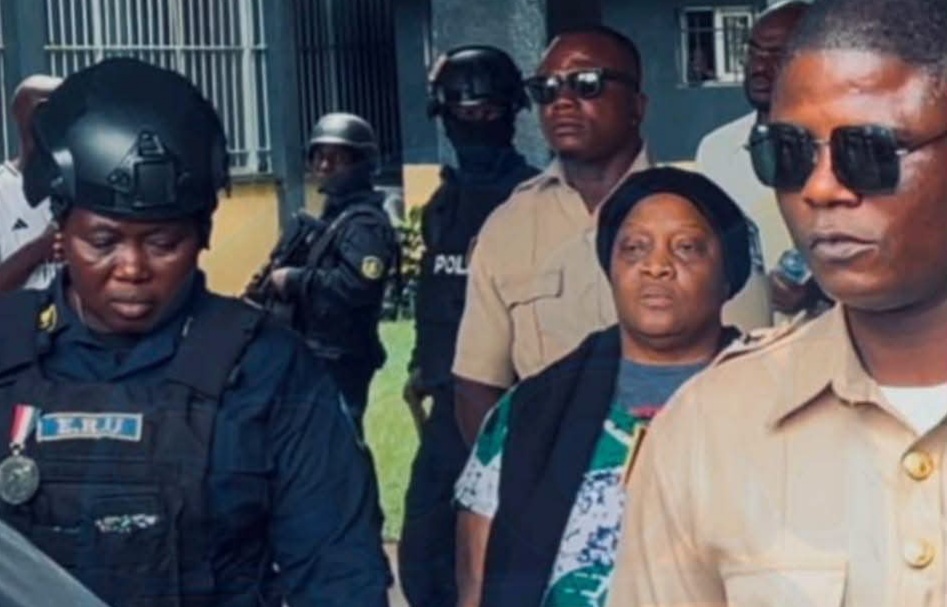
She later disclosed that she had been prevented from traveling and instructed to report to the police. Authorities subsequently confirmed that she was being questioned in connection with the expanding narcotics investigation.
Later that day, Justice Minister and Attorney General Cllr. N. Oswald Tweh announced that the former vice president had been charged under Liberia’s drug-control, penal and anti-money-laundering laws. Three foreign nationals were also reportedly charged in absentia in connection with the investigation.
The government’s allegations were subsequently detailed in a charge sheet and an August 25 writ of arrest.
Investigators allege that Howard-Taylor had dealings with individuals they identify as members of a transnational narcotics organization and that she received money allegedly connected to the network. The writ describes alleged payments totaling US$135,000, including funds allegedly provided in connection with her foundation. These claims remain allegations awaiting judicial determination.
Medical emergency changed the timetable
The legal process was interrupted when Howard-Taylor became ill while in police custody.
She was taken to a Monrovia medical facility after concerns were reportedly raised about her condition, delaying her expected appearance before the City Court.
When she eventually appeared before Magistrate Barco on August 25, her lawyers sought continued medical detention and a preliminary examination.
The court granted the preliminary examination but rejected the request to keep her outside prison for medical reasons. Howard-Taylor was ordered to the Monrovia Central Prison, while her lawyers announced plans to challenge the detention ruling.
That decision marked another major turn in the case. A woman who served as Liberia’s vice president from 2018 to 2024 was now being held in the country’s central prison while facing some of the most serious criminal allegations brought against a former senior Liberian official.
The next battle is evidence
The upcoming preliminary examination is therefore more than another court date.
It represents the first major opportunity for the allegations to be tested through judicial proceedings. The examination will not determine whether Howard-Taylor is ultimately guilty. Rather, it forms part of the process through which the court assesses whether the case should proceed.
That distinction has become particularly important as the case has generated intense political reactions.
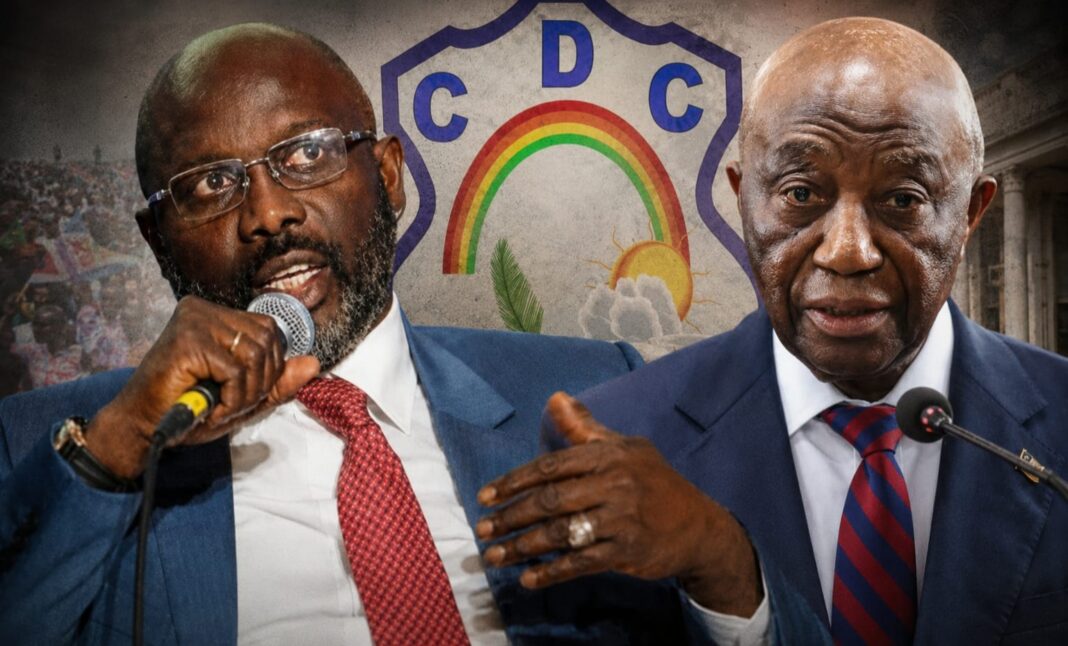
The Coalition for Democratic Change has denounced Howard-Taylor’s arrest and described the charges as politically motivated, while other political actors and civic voices have called for an impartial investigation and strict adherence to due process.
President Boakai, meanwhile, has sought to assure Liberians and international partners that Howard-Taylor’s constitutional rights are being respected and that the government’s campaign against narcotics will not depend on a person’s political position or status.
The wider investigation has also raised questions about how authorities are pursuing other individuals connected to the narcotics probe, adding pressure on the government to demonstrate that the investigation is comprehensive and not politically selective.
For Howard-Taylor, however, the immediate issue is now procedural: when she returns to the Monrovia City Court, the prosecution will have to begin presenting the basis for keeping the case alive.
That hearing is now expected on September 2, barring another change by the court.
Until then, the case remains at the preliminary stage. The allegations against Howard-Taylor have not been established as facts, and she remains entitled to the presumption of innocence throughout the judicial process.