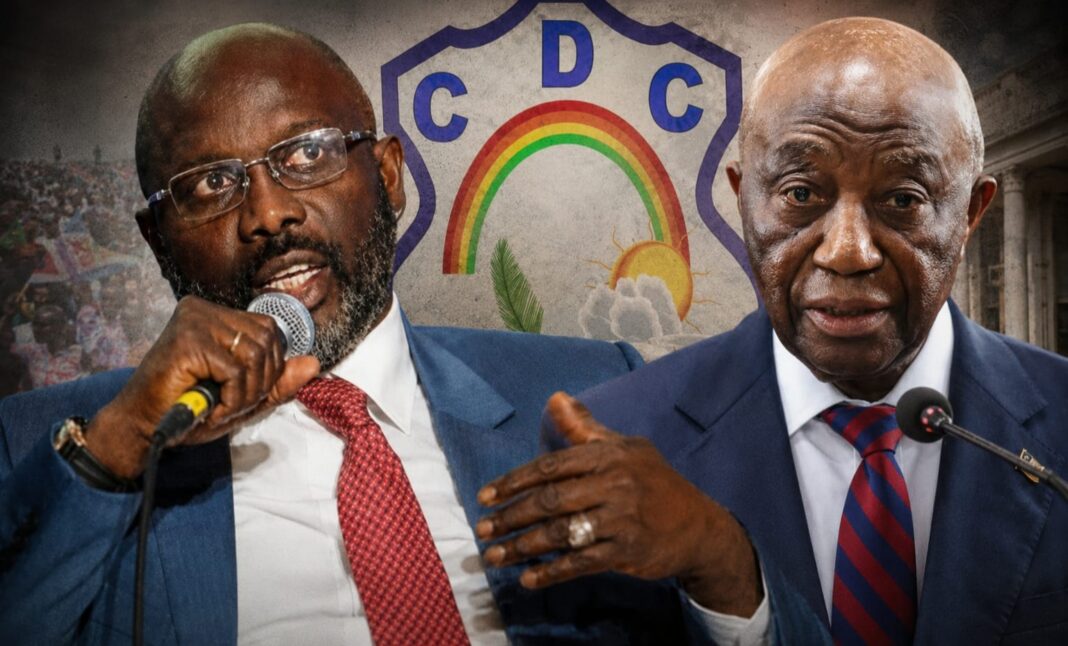
MONROVIA, LIBERIA – The Coalition for Democratic Change (CDC) has rejected President Joseph Nyuma Boakai’s recent national address on Liberia’s fight against illicit drugs, accusing the administration of failing to provide equal accountability and demanding an independent investigation into alleged penetration of state security institutions by transnational drug networks.
In a statement issued on Thursday, August 27, 2026, the opposition party challenged the President’s August 26 address, particularly his assertion that the government is committed to enforcing the law without fear or favor.
The CDC characterized the presidential speech as inconsistent with what it described as the government’s handling of allegations surrounding the cocaine trafficking crisis.
The party specifically questioned why individuals it says have been publicly implicated in drug-related allegations have not faced comparable scrutiny.
It also raised concerns about the role of senior security officials in the government’s response to the seizure of nearly four tons of cocaine in Duazon, Margibi County.
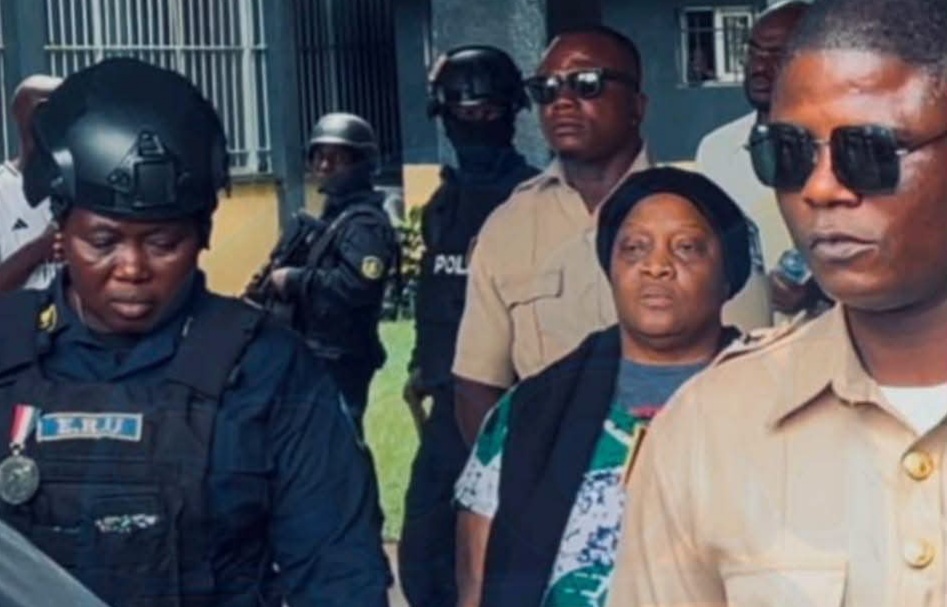
The CDC singled out Liberia National Police Inspector General Gregory Coleman, referencing the party’s allegation that police personnel under his command were involved in escorting the cocaine shipment.
The party’s statement does not present a judicial finding establishing Coleman’s personal involvement in criminal conduct, but uses the allegation to argue that Liberia’s security institutions should not be left to investigate themselves.
The CDC’s central demand is for an independent inquiry into the country’s transnational drug trafficking problem.
The party said such an investigation should be impartial, credible and protected from political influence.
According to the CDC, the inquiry should examine not only the movement of cocaine but also allegations that organized criminal networks may have gained access to or influence within Liberia’s state and national security structures.
The party argued that the scale of recent drug seizures warrants an investigation extending beyond individual suspects to the broader networks allegedly responsible for financing, facilitating and protecting trafficking operations.
The CDC also criticized President Boakai’s reliance on the rule of law as a central theme of his national address.
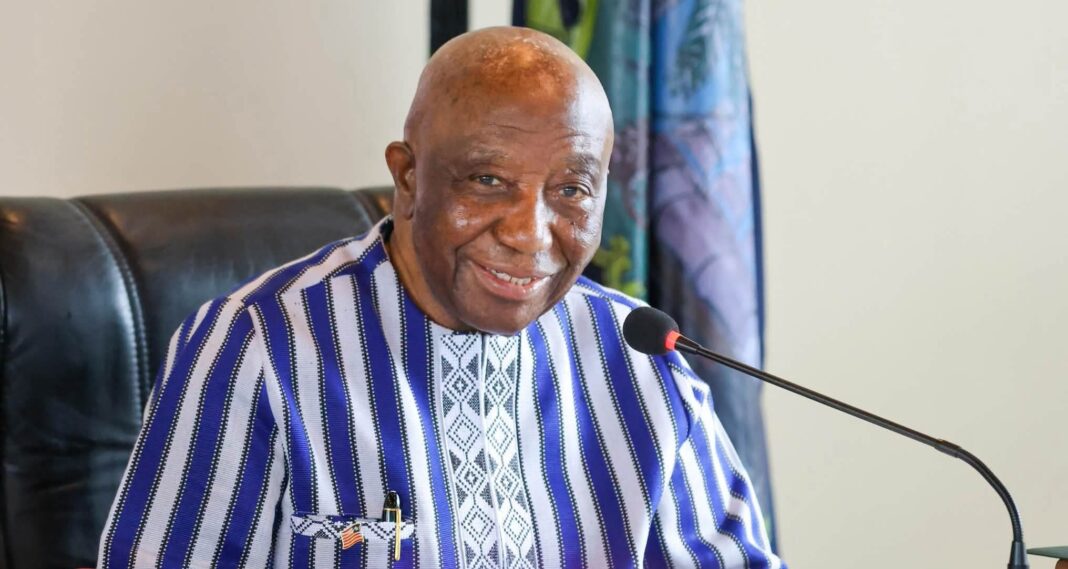
President Boakai, in his August 26 speech, maintained that the government would enforce the law while respecting constitutional rights and due process, and insisted that guilt or innocence must ultimately be determined by the courts.
The CDC, however, contends that the government’s actions have not demonstrated equal application of those principles.
The opposition party accused the administration of selective prosecution and political intimidation, arguing that accountability should apply equally to government officials, security personnel and private citizens.
The CDC further questioned what it described as the government’s failure to adequately address allegations involving individuals connected to the administration.
The party’s criticism comes amid heightened public attention to Liberia’s unprecedented cocaine seizures and the government’s expanding investigation into suspected transnational drug trafficking.
Authorities previously seized approximately 237.6 kilograms of cocaine at Roberts International Airport and later uncovered nearly four tons in Duazon, with the combined value of the seized narcotics estimated at more than US$336 million.
The government subsequently destroyed the seized cocaine in a highly publicized operation, portraying the action as evidence of its determination to confront organized drug trafficking.
The CDC, however, argues that seizures alone cannot resolve the problem.
The party wants investigators to follow the trafficking networks beyond the physical shipments and determine whether government officials, security personnel or other influential actors facilitated the movement of illicit drugs.
Its demand for an independent investigation reflects a broader concern about institutional credibility.
The CDC argues that if allegations involve elements of the national security establishment, an investigation conducted entirely through existing security structures could raise questions about independence and public confidence.
“A compromised national security apparatus cannot investigate itself,” the party declared.
The opposition party said Liberians deserve factual answers about the cocaine seizures, alleged connections between criminal networks and state institutions, and the identities of individuals responsible for facilitating the trafficking operations.
The CDC’s statement therefore shifts the focus from the government’s publicized drug seizures to the question of institutional accountability.
While the administration emphasizes enforcement and due process, the opposition is demanding that the investigation demonstrate equal treatment and independence.
The dispute also adds a political dimension to Liberia’s growing narcotics crisis, with the government presenting its enforcement campaign as a national security priority and the opposition questioning whether the campaign is being applied impartially.
The CDC’s latest position makes clear that it intends to keep the drug crisis at the center of its political criticism of the Boakai administration.
At the core of its demand is an independent investigation capable of examining allegations wherever the evidence leads, including within government institutions.
The party maintains that only a process viewed as credible and politically independent can establish the facts, determine responsibility and restore public confidence in Liberia’s fight against organized drug trafficking.