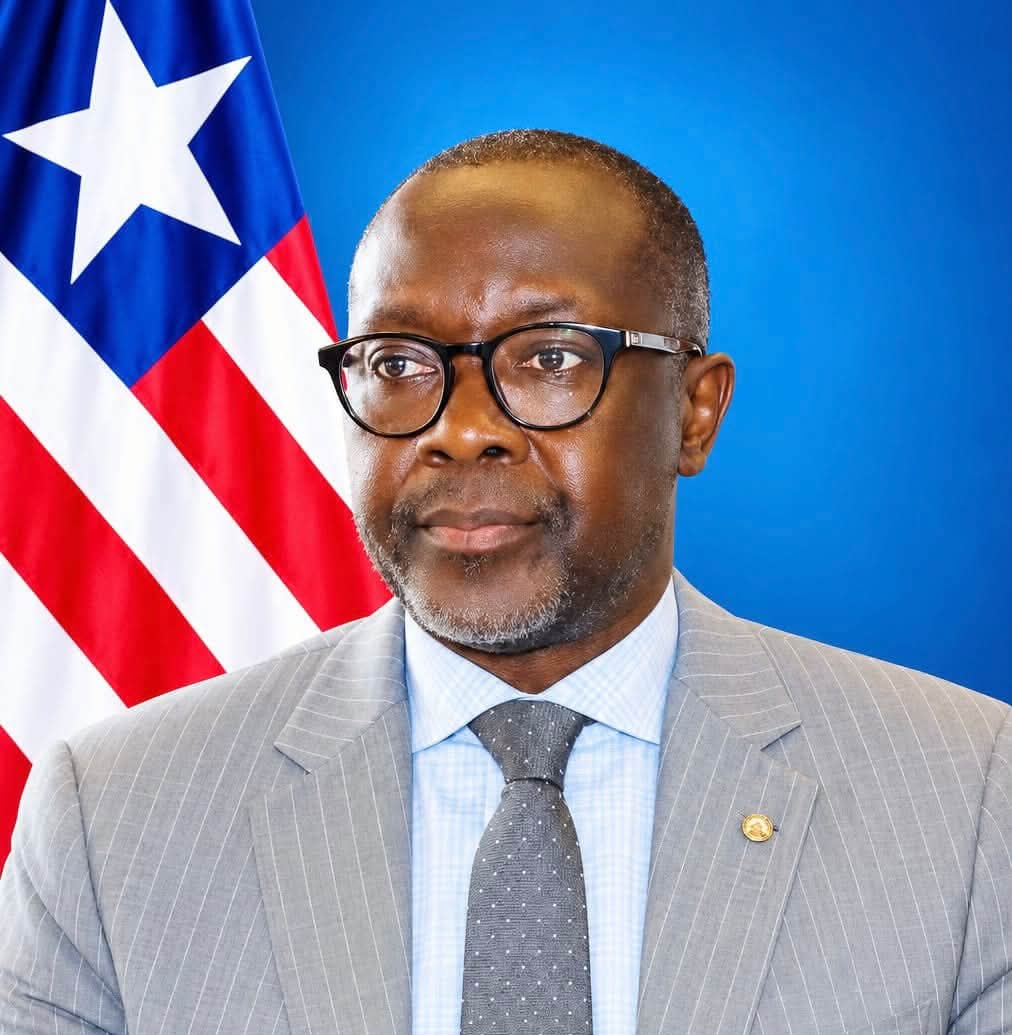
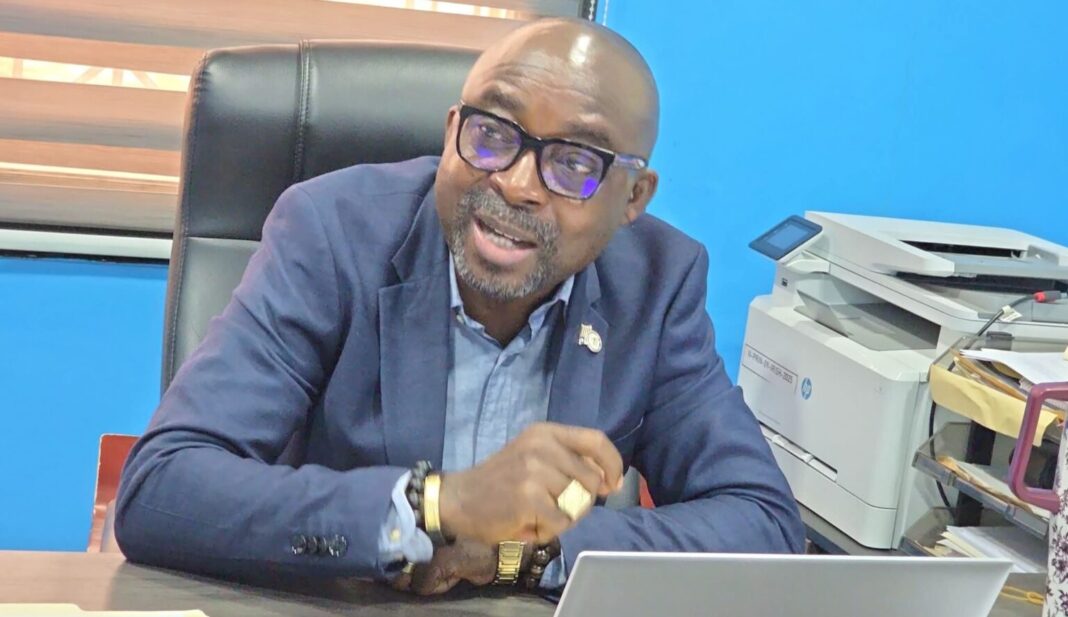
MONROVIA – Executive Director of Naymote Partners for Democratic Development, Eddie D. Jarwolo, has questioned whether Montserrado County Senator Abraham Darius Dillon continues to demonstrate the political conviction and accountability that initially earned him widespread public support, arguing that citizens who invested their resources and confidence in his political journey deserve consistent representation.
In a Facebook commentary published on Monday, November 16, 2026, Jarwolo drew a contrast between what he described as the former and present political posture of Dillon, using the expression “The Abe Darius Dillon Yesterday. The Dillon Today” to question whether the senator’s current public engagement reflects the expectations that accompanied his rise to political prominence.
Jarwolo recalled that Dillon’s political voice once represented the frustrations, courage, and aspirations of ordinary Liberians seeking improved governance and greater accountability from public officials.
He noted that some citizens went beyond expressing political support by contributing their hard-earned money to help advance Dillon’s political ambition because they believed he would carry their concerns into the Liberian Senate.
However, Jarwolo said some of those same supporters are now questioning whether the senator continues to speak with the conviction that originally earned their confidence.
According to him, the intensity of the criticism surrounding Dillon is connected to the personal expectations citizens attached to his leadership, having invested their money, voices, and hopes in his political journey.
He argued that those who helped support Dillon’s emergence into the Senate deserve the same level of accountability that the senator previously demanded from other public officials.
The commentary places public trust and political responsibility at the center of the discussion about Dillon’s representation of Montserrado County.
Jarwolo maintained that the senator’s responsibilities should be measured not simply by his political visibility or influence but by how consistently he addresses the pressing concerns affecting the lives of his constituents.
He identified affordable electricity and internet services, access to safe drinking water, quality healthcare, secure land rights, and fair taxation as some of the major challenges confronting families across Montserrado County.
He believes residents deserve a senator who consistently raises these issues in the Legislature, examines government expenditure, and provides regular reports explaining what has been achieved on their behalf.
The civil society leader’s concerns also extend to the need for greater transparency in public decision-making, particularly where government agreements and contracts could affect citizens and the country’s economic interests.
Jarwolo argued that Dillon’s influence within the Senate and his access to President Joseph Nyuma Boakai should provide stronger opportunities for citizens’ concerns to reach the highest levels of government.
He therefore wants the senator to communicate more clearly where he stands on important national issues and what concrete actions he is taking to advance the interests of the people he represents.
The criticism comes with a political warning about the importance of restoring public confidence before the next electoral contest.
Jarwolo expressed the view that 2029 could become Dillon’s toughest electoral test, while emphasizing that there is still time for the senator to rebuild confidence through principled action, honest public reporting, and visible results.
His assessment suggests that the relationship between elected officials and their supporters must extend beyond election campaigns, requiring continuous engagement and accountability throughout an elected official’s tenure.
For Montserrado residents, the issues raised in Jarwolo’s commentary touch on everyday concerns that extend beyond political rhetoric. Access to electricity, affordable internet, clean drinking water, functioning healthcare facilities, land security, and fair taxation directly affect household welfare and economic opportunities.
The debate also raises questions about how elected representatives communicate their legislative activities to constituents and whether citizens have sufficient information to assess the performance of those entrusted with public office.
Jarwolo’s central message is that political support should not be treated as a permanent endorsement without accountability.
He emphasized that the people who contributed financially and politically to Dillon’s rise should not have to struggle to make their voices heard after helping him secure a position in the Senate.
Although his commentary does not provide specific legislative voting records or detailed examples of particular instances in which Dillon allegedly failed to address constituents’ concerns, it presents a broader challenge concerning the senator’s public engagement and responsiveness.
Dillon has yet to provide a response to the concerns contained in Jarwolo’s November 16 commentary in the material available for this report.
The senator’s position on the issues raised, including his constituency engagements, legislative interventions, and efforts to address Montserrado’s development challenges, would provide additional context to the debate.
For Jarwolo, the expectations that carried Dillon into the Senate have not disappeared, and those who helped make his political journey possible deserve to see their concerns reflected in his public service.