Charlyne Brumskine’s appointment to the ECOWAS Court marks a significant diplomatic win for President Joseph Boakai. However, the pressing question remains: can his administration leverage such moments to establish enduring regional influence?
Throughout his presidency, Boakai has assured Liberians of a vision that extends beyond mere governmental change. He has committed to restoring Liberia’s credibility, strengthening its institutions, enhancing its diplomatic standing, and reclaiming its place among the nations.
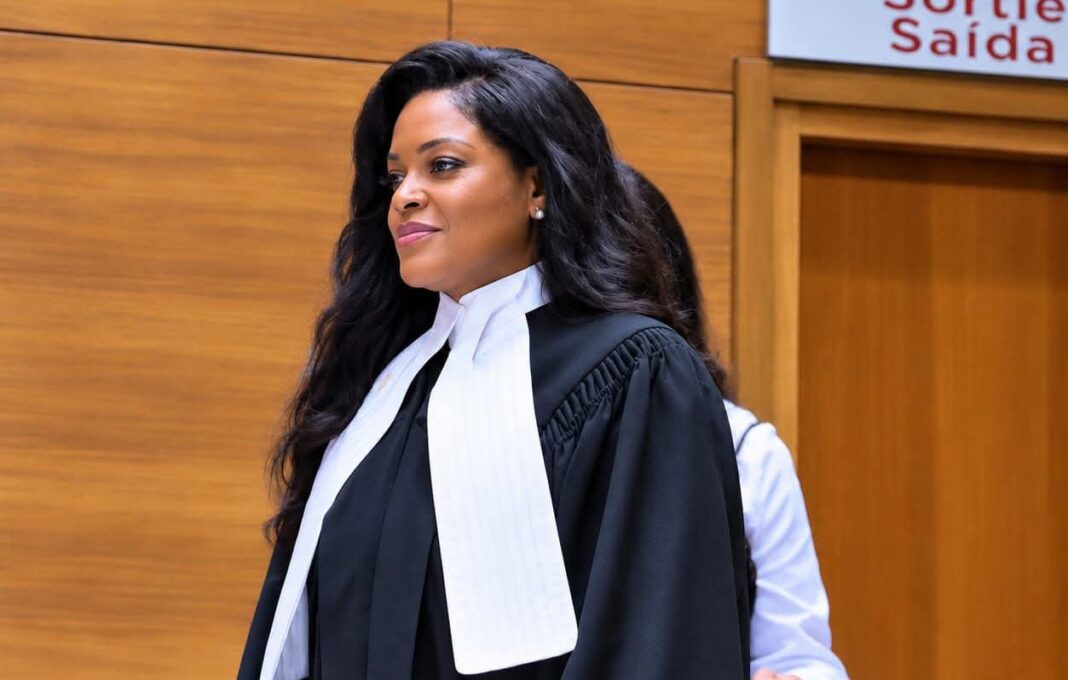
Recently, his administration was presented with a clear opportunity to showcase what this promise entails. Charlyne Brumskine, a Liberian woman, took the Oath of Office and officially became a Judge of the ECOWAS Community Court of Justice.
While the ceremony was judicial in nature, its political implications are momentous. For President Boakai, this development aligns perfectly with the goals of his foreign policy and institutional rebuilding efforts.
For far too long, Liberia’s narrative on the international stage has been overshadowed by war, reconstruction, aid dependency, and political turmoil.
The Boakai administration is working to shift the narrative towards one that emphasizes credibility, professionalism, partnership, and renewed engagement. Brumskine’s appointment aligns perfectly with this goal.
Howbeit, this is where the Boakai government needs to be evaluated more critically. Can it transform individual appointments into broader national influence?
Securing a Liberian’s role in a important regional institution is one achievement, but establishing a system that consistently nurtures Liberians who can fill and effectively utilize such roles is a different challenge altogether. This is where the true test lies.
President Boakai has consistently highlighted the need to restore Liberia’s image on the global stage and enhance the country’s relationships with international partners. His administration has also focused heavily on diplomacy and rebuilding trust in Liberia after years of scrutiny regarding its institutions and international standing.
Brumskine’s new role serves as a concrete example of this agenda in action. Nevertheless, the presidency should avoid the temptation to view it simply as another success story for the government.
The ECOWAS Court should not be seen as just a trophy cabinet; it is a vital regional institution at a time when West Africa is facing some of its most substantial political and constitutional challenges in decades.
We are witnessing democratic setbacks, constitutional conflicts, and serious human rights issues, along with uncertainties regarding the authority and future of ECOWAS itself. Liberia cannot afford to remain on the sidelines regarding these critical matters.
If President Boakai genuinely aims for Liberia to regain a leadership position in West Africa, his administration needs to think beyond mere ceremonies and appointments.
A strategic approach is essential. This involves identifying skilled Liberians, preparing them for roles, placing them in regional and international organizations, and providing them with professional support.
Most importantly, Liberia must establish a clear national deportment on the pressing issues facing the region. This is what true strategic influence entails. Failing to do so could mean that yesterday’s ceremony becomes just another pretty picture without any lasting impact for the nation.
Consequentially, if the Boakai administration executes this plan effectively, Brumskine’s rise could signify the start of a much larger initiative. It could represent a concerted effort to re-establish Liberia as a nation whose lawyers, diplomats, economists, academics, civil servants, and policymakers are not just present in regional institutions but are actively involved in shaping their future. This would provide a much more substantial interpretation of the President’s commitment to enhancing Liberia’s international reputation.
Additionally, there is another important aspect that President Boakai should keep in mind.
Brumskine’s appointment sends a strong message to young professionals in Liberia, especially young women, that national service can extend beyond the country’s borders. Liberia has the potential to produce individuals who participate in regional decision-making. This represents soft power, national confidence, and is essential for rebuilding the country’s reputation.
President Boakai should acknowledge the importance of this moment, but he must also be aware of the challenges it presents. One Brumskine alone cannot restore Liberia’s influence, nor can a single judge change the country’s regional standing. A single ceremony won’t suffice to demonstrate that Liberia is back on the map.
What truly matters is a consistent track record of Liberians securing significant positions and a government that can effectively leverage these roles to create more opportunities and influence for the nation.
Yesterday, Charlyne Brumskine took her place. The real question now is whether President Boakai will seize this moment to create a larger platform for Liberia.
If the President genuinely aims to restore Liberia’s standing in the world, the effort must go beyond merely getting Liberians into the room. Liberia needs to learn how to influence what occurs within it.