There are moments in a nation’s history that call for reflection—not because everything is flawless, but because a momentous event has occurred that warrants recognition. October 6, 2026, marks such a moment for Liberia.
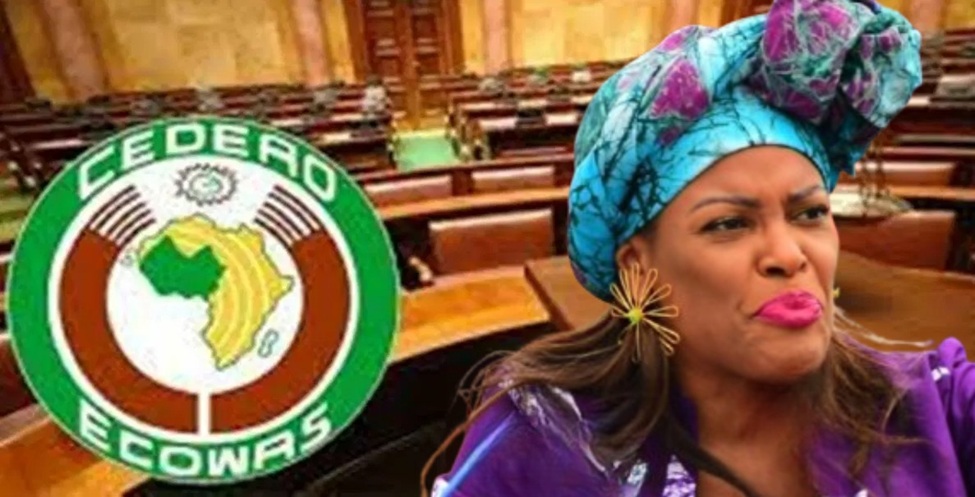
Today, Cllr. Charlyne M. Brumskine steps into her role at the ECOWAS Community Court of Justice, making history as the first Liberian woman to serve as a judge on this regional court.
This achievement is not just personal; it represents a professional milestone and, most importantly, a moment of great national importance.
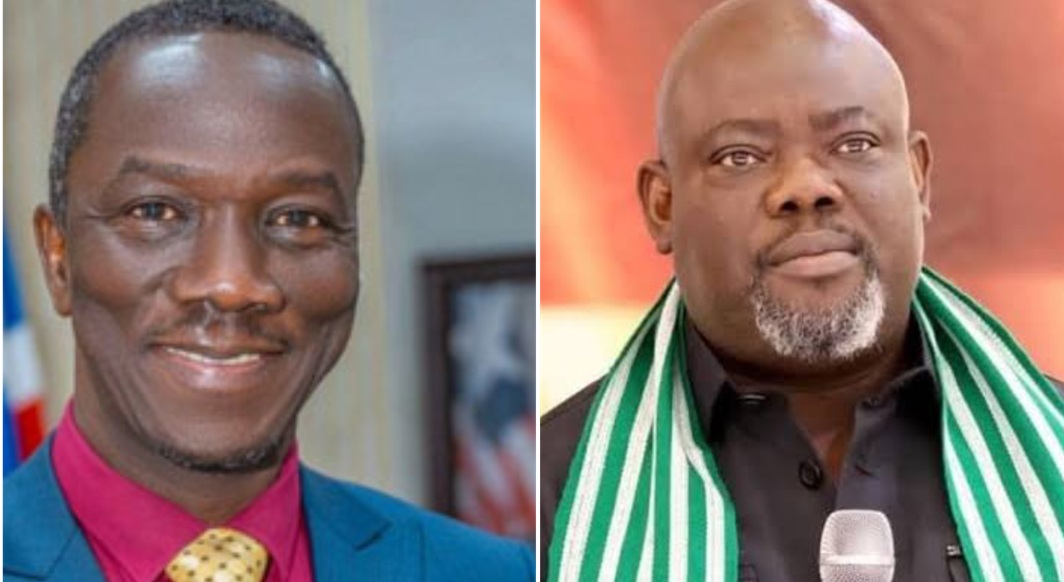
Brumskine’s journey to the ECOWAS Court is not the beginning of Liberia’s narrative there. She follows in the footsteps of esteemed Liberian jurists who have paved the way. Justice Micah Wilkins Wright was the first, serving on the Court from 2014 to 2017 and eventually becoming its Vice President. He was succeeded by Justice Yussif D. Kaba, who also served as a member and Vice President of the Court.
The Ministry of Foreign Affairs of Liberia has highlighted Kaba’s tribute to Wright, recognizing how his predecessor’s contributions enhanced Liberia’s reputation within the regional institution.
Now, years later, another Liberian embarks on this journey. However, this time, history is being shaped in a new way, as a Liberian woman takes her rightful seat.
Brumskine’s appointment for the 2026–2030 term places her among five judges selected for the new term of the regional court. Her selection marks a substantial milestone as she becomes the first Liberian woman to hold a judgeship at the ECOWAS Community Court of Justice. This is important because representation truly matters.
Young Liberian women should see themselves not just as lawyers arguing cases in international courts, but as judges who preside over them.
Moreover, Liberia’s contributions to West Africa extend far beyond its status as Africa’s oldest republic. The nation has provided soldiers for regional peacekeeping missions, diplomats for international organizations, lawyers advocating for justice, and professionals dedicated to regional integration.
Today, one of Liberia’s own adds another significant chapter to this legacy.
The ECOWAS Court is not merely another regional office; it is a judicial institution that addresses critical issues of human rights, regional law, and the responsibilities of member states.
Holding a position there means embracing a responsibility that goes beyond Liberia’s borders. Brumskine has said that becoming a regional judge is the pinnacle of her professional journey.
Her selection comes after more than twenty years of experience in law, public policy, governance, and international relations.
Howbeit, perhaps the most inspiring aspect of this story lies beyond the courtroom.
Somewhere in Liberia, a young girl might learn that a Liberian woman has achieved the role of a judge in a prominent West African court. She may see her photograph, hear her name, and wonder what it signifies. And maybe, years down the line, she will recall this moment. That is the true power of representation.
Cllr. Brumskine does not come to the ECOWAS Court by herself. She brings with her the legacy of the Liberian jurists who paved the way before her. She embodies the hopes of a nation. And whether she seeks it or not, she carries the aspirations of many young Liberian women who wish to see that the highest professional opportunities are accessible to them as well.
From Micah Wilkins Wright to Yussif D. Kaba to Charlyne M. Brumskine, the narrative of Liberia at the ECOWAS Court continues to unfold.
While the names and generations may have shifted, the Liberian flag remains steadfast. Today, that flag is held high by a woman.
This is a moment for Liberia to celebrate—not as mere spectacle, but as a testament to what its people can achieve when talent aligns with opportunity.
Brumskine’s appointment does not negate the ongoing challenges faced by Liberian women in leadership roles. In fact, the coverage surrounding her appointment has underscored the persistent fight for increased representation of women in positions of power in Liberia. Yet, progress is often measured by overcoming one obstacle at a time.
Today, another obstacle has been surmounted. A Liberian woman steps into a regional courtroom not as a litigant, not as an observer, and not as an advocate standing outside the bench—but as a judge. That is a significant milestone worth acknowledging.
As Cllr. Charlyne M. Brumskine takes her place at the ECOWAS Court today, Liberia should look past the ceremony and recognize the broader significance of this moment.
This is a story about legacy, representation, and Liberia’s ongoing role in West Africa. It also highlights the young women who will follow in her footsteps.
Today, Charlyne Brumskine takes her place at the ECOWAS Court, symbolizing a new generation of Liberian women who now see a once-distant seat within reach.
Certainly, there are times when an individual achievement transcends the individual, and Cllr. Charlyne M. Brumskine’s appointment to the ECOWAS Community Court of Justice is one such moment.
As she prepares to join the judges of this regional court, Liberia is experiencing a milestone that should be celebrated not just as a professional success, but as a significant chapter in the nation’s ongoing contribution to justice in West Africa.
Brumskine has been appointed as one of five judges for the 2026–2030 term, alongside jurists from The Gambia, Benin, Nigeria, and Togo.
More importantly for Liberia, she is the first Liberian woman to serve as a judge on the ECOWAS Court. This is a significant achievement, but it is not a story that starts with Brumskine. Before her, other Liberian jurists carried the country’s name into the regional courtroom—most notably Judge Micah Wilkins Wright and Judge Yussif D. Kaba, both of whom previously served on the ECOWAS Court.
Brumskine now builds on that legacy while adding her own historic chapter. From Wright to Kaba, and now to Brumskine, Liberia’s representation on the ECOWAS Court tells a compelling story: Liberia has valuable contributions to make to the justice framework in West Africa. Brumskine’s presence brings a fresh voice to that narrative.
The ECOWAS Court is not merely a ceremonial body; it serves as the Community’s main judicial organ, tasked with interpreting and applying ECOWAS treaties and legal instruments. Its work encompasses critical issues such as human rights, governance, accountability, and the responsibilities of member states.
Liberia’s newest judicial representative is on her way, and she’s not going empty-handed. With over twenty years of legal experience that spans private practice, teaching, and work in public policy and international negotiations, she brings a wealth of knowledge to her new role.
Her appointment came after a competitive selection process in the region and received final approval from ECOWAS leaders. This is significant because the regional court will require more than just a recognizable name; it will demand sound judgment, independence, a solid understanding of regional law, and, most importantly, a commitment to justice.
For Brumskine, this appointment is also deeply personal. She has openly shared her admiration for her late father, Charles Walker Brumskine, a well-known Liberian lawyer who had dreams of serving in a regional capacity.
Her success not only continues his legal legacy but also marks a new chapter in it. However, the most crucial aspect of this story lies in the future.
Brumskine sees herself as part of a lineage of Liberian women who have paved the way for her, while also laying the groundwork for those who will come after her.
This is why her appointment should resonate well beyond the legal circles in Liberia.
Today, somewhere in Liberia, a young girl is watching. She might not fully grasp what the ECOWAS Court is or what regional jurisprudence entails. She may not have even decided to pursue a career in law yet. But she sees a Liberian woman stepping into a courtroom that has authority beyond her own country’s borders.
She envisions possibilities. She recognizes representation. She understands that the limits of what a Liberian woman can accomplish are not set in stone. This may ultimately stand as one of the most lasting legacies of Brumskine’s appointment.
Liberia has frequently faced challenges in translating the talents of its citizens into influence beyond its borders. However, appointments like this show that the country continues to cultivate professionals who can contribute to institutions at the highest regional level.
The symbolism is indeed powerful. A Liberian woman is not just attending the ECOWAS Court; she is becoming a part of it. She is not going as an observer but as a judge. She will sit where matters of justice, rights, and regional law are deliberated.
This responsibility should be approached with humility. The title alone does not suffice; the true measure will ultimately be the quality of the judgments, the integrity of the service, and the dignity with which Liberia is represented.
For now, Liberia has every reason to pause and celebrate this achievement. Judge Wright came before her. Judge Kaba came before her. Now, Judge Brumskine takes her place.
The Liberian voice at the ECOWAS Court has gained a new dimension. Perhaps the best way to view this moment is not as the conclusion of a journey but as a bridge.
A bridge connecting those who represented Liberia before her and those who will come after. A bridge linking Liberia’s legal tradition with the broader demands of regional justice. And a bridge for a new generation of Liberian women who can now look to her achievement and realize that the doors to regional leadership can open for them as well.
Today’s ceremony should signify more than just an oath and a new title in the judiciary.
It serves as a reminder to Liberia that its most valuable asset isn’t solely what lies beneath the ground or within its borders. Often, it resides in the talent, bravery, and professional excellence of its citizens.
Cllr. Charlyne M. Brumskine is now ready to bring that talent to one of West Africa’s key judicial institutions. A fresh Liberian voice is set to join the ECOWAS Court, and there is hope that as she speaks, engages in discussions, and ultimately delivers justice, she will be aware that an entire nation is listening.