TUBMANBURG, BOMI COUNTY, LIBERIA — Liberia Revenue Authority (LRA) Commissioner General James Dorbor Jallah has disclosed that the mining sector contributed approximately US$432 million to Liberia’s reported US$1.059 billion in revenue collections, highlighting the sector’s role in domestic revenue mobilization.
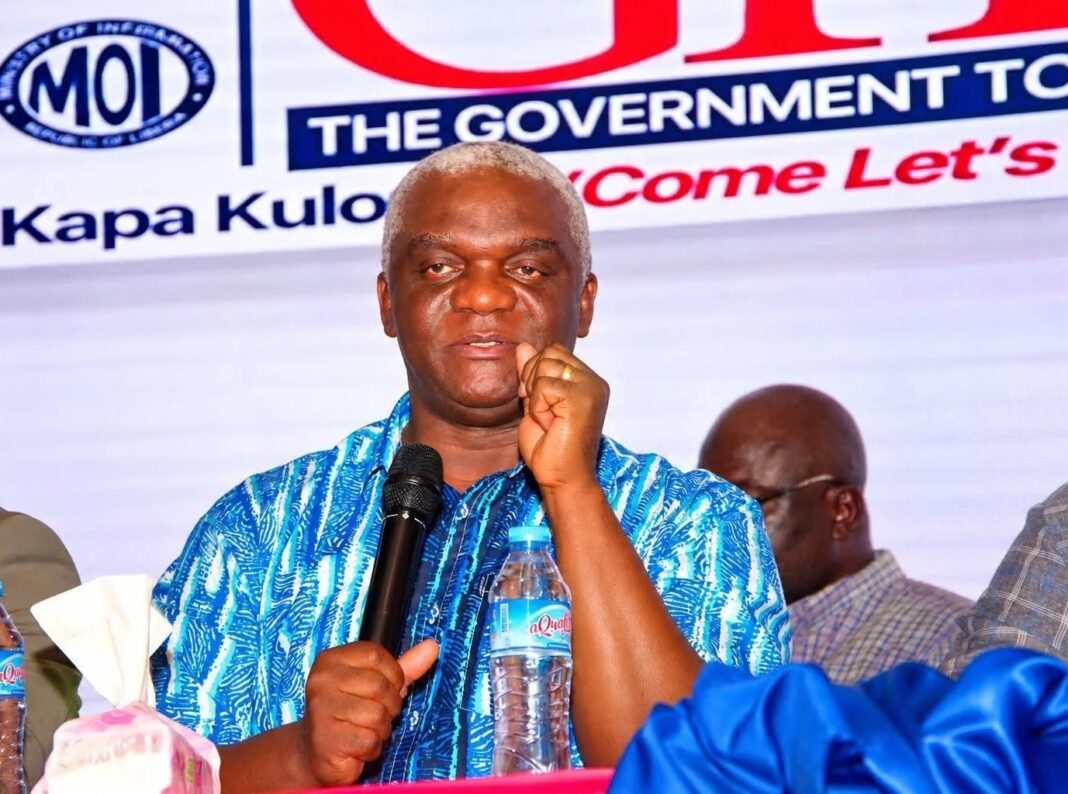
Jallah made the disclosure on Friday, October 9, 2026, during the fourth edition of the Government Town Hall program, Kapa Kulono, held in Tubmanburg, Bomi County, under the theme “Beyond the Boom: Transparency, Value Addition and Sustainable Fiscal Impact.”
Speaking on a panel titled “From Extraction to Transformation: The Mining Sector’s Role in Liberia’s $1 Billion Revenue Milestone,” Jallah emphasized the importance of effective revenue administration, transparency, and compliance in ensuring that the country’s economic activities contribute meaningfully to national development.
He said Liberia crossed the US$1 billion revenue collection threshold on September 14, 2026, with total collections reaching approximately US$1.059 billion by October 8.
According to Jallah, the mining sector accounted for approximately 41 percent of the reported total, underscoring its importance to the government’s revenue base.
He said Liberia’s revenue collections have increased steadily in recent years, rising from approximately US$612 million in 2023 to US$700 million in 2024 and US$848 million in 2025.
Jallah expressed optimism about further growth in 2026, noting that the government’s domestic revenue target for the year stands at US$1.1 billion, while the LRA projects collections of approximately US$1.3 billion by year-end.
He cautioned that some figures remained subject to reconciliation because certain collections had not been fully captured in the system, particularly in areas where automation and internet connectivity were still being introduced.
The Commissioner General said revenue collected by the government supports essential public services and national development priorities, including road construction, education, healthcare, and the payment of public sector salaries.
Public Revenue Dashboard Promotes Transparency
Jallah also highlighted the LRA’s public revenue dashboard as part of efforts to strengthen transparency and accountability in revenue administration.
The online platform, identified during his presentation as dash.lra.gov.lr, is designed to provide public access to daily revenue collection figures and allow users to download data for independent analysis.
He encouraged journalists, civil society organizations, researchers, students, and other interested members of the public to use the platform to monitor revenue performance and examine information published by the Authority.
Jallah explained that the dashboard presents revenue collections from domestic taxes and customs, enabling users to better understand the sources of government revenue.
Figures presented during the engagement showed approximately US$795 million in domestic tax collections and US$258 million in customs revenue. An additional US$5 million carried forward from the previous fiscal year was also reflected in the figures discussed.
He said making revenue information publicly accessible would encourage independent scrutiny and help citizens better understand government revenue performance.
Calls for Stronger Mining Oversight
The town hall discussion also addressed concerns about illegal mining, undocumented mineral production, environmental degradation, and potential revenue losses.
Representatives of the Protect Our Resources Taskforce called for stronger enforcement and greater cooperation among government institutions to address illegal operations, protect the environment, and ensure compliance with applicable laws.
Jallah stressed the need to strengthen tax administration and enforcement to ensure that businesses and other economic actors meet their statutory obligations.
Meanwhile, Minister of Mines and Energy R. Matenokay Tingban emphasized the importance of moving beyond the export of raw minerals toward value addition, local processing, job creation, and broader economic opportunities for Liberians.
The discussions highlighted the need to ensure that increased revenue from mining translates into improved public services, infrastructure, employment opportunities, and sustainable development, particularly in communities affected by mining activities.
The Kapa Kulono town hall, organized by the Ministry of Information, Cultural Affairs and Tourism, brought together government officials, traditional leaders, students, women’s groups, youth representatives, and other community stakeholders to discuss the relationship between mineral extraction, public revenue, and national development.
Before publication: Confirm the dashboard’s official URL and verify the US$432 million mining contribution, the US$795 million in domestic taxes, and the US$258 million in customs collections against the LRA’s official records. The figures should be presented with a consistent reporting date, and the US$1.3 billion year-end figure should remain identified as a projection rather than an achieved result.