Weedor calls for predictable election funding and greater investment in Liberian expertise as the Commission plans fresh biometric voter registration for 2028.
MONROVIA, LIBERIA — The National Elections Commission (NEC) is expected to submit a proposed budget of slightly more than US$72 million to the Government of Liberia by October 31, 2026, to finance the country’s 2029 general elections.
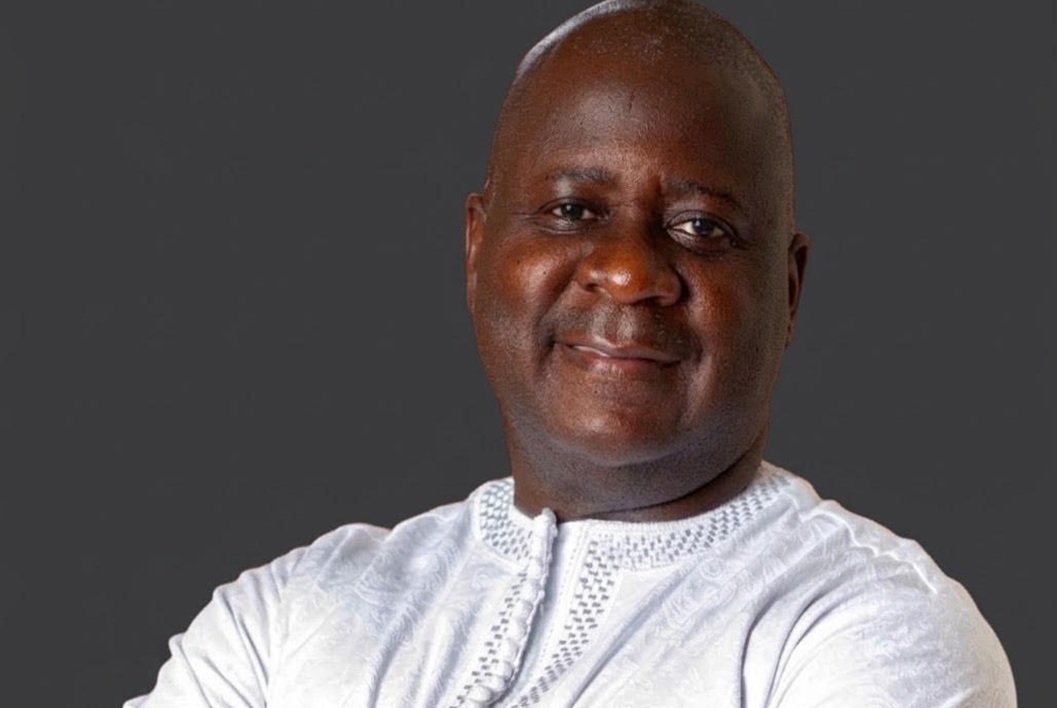
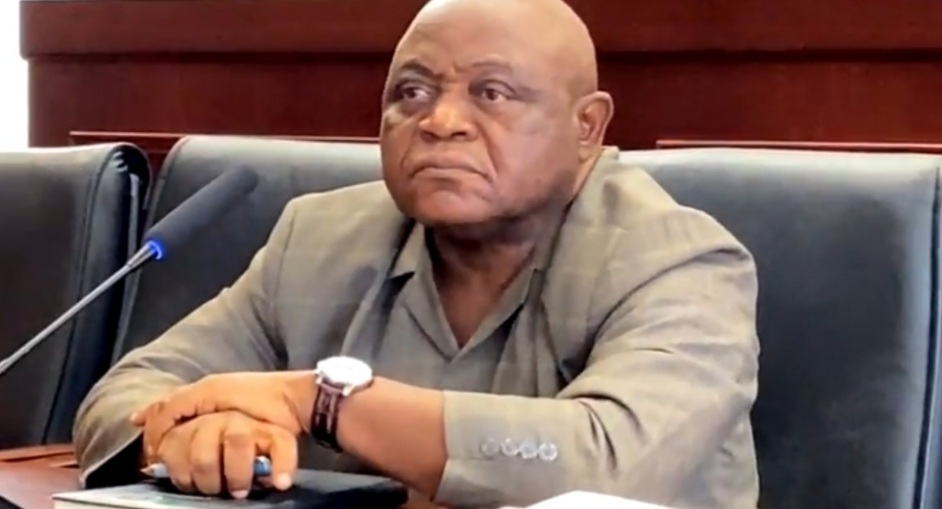
NEC Chairperson Jonathan K. Weedor disclosed the plan on Wednesday during the induction ceremony of the Commission’s newly appointed Executive Director, Attorney Joseph A. Yarsiah, at the NEC headquarters in Monrovia.
Weedor said the proposed budget would cover three major phases of the electoral process: pre-election activities, election operations, and post-election activities.
He emphasized that predictable and timely government funding would be essential to ensuring adequate preparations for the 2029 elections, including a proposed fresh biometric voter registration exercise scheduled for January to March 2028.
NEC SEEKS FRESH BIOMETRIC REGISTRATION
The Commission is proposing a new biometric voter registration exercise rather than simply verifying and updating the 2023 Final Registration Roll.
The exercise is expected to form a key part of preparations for the 2029 elections, although its implementation will depend on the Commission’s planning and available resources.
Weedor stressed that early financial commitments would help the NEC plan its operations, strengthen its institutional capacity, and prepare for the complex logistical demands of conducting national elections.
WEEDOR CHALLENGES DEVELOPMENT PARTNERS
Beyond domestic financing, the NEC chairperson called on international development partners to prioritize building Liberia’s electoral expertise rather than relying heavily on foreign consultants and recurring symposiums.
“Symposiums cannot become the recurrent activities of donor assistance. International consultancy cannot become the major focus of donor funding without due consideration of national expertise,” Weedor emphasized.
He urged development partners to invest more in the professional development of NEC employees, including regional and subregional training opportunities to improve the Commission’s technical knowledge and operational capacity.
Weedor welcomed the Liberian government’s willingness to strengthen its financial support for the 2029 elections, describing predictable national funding as indispensable to credible electoral preparations.
YARSIAH PLEDGES COMMITMENT TO NEC
Meanwhile, newly inducted Executive Director Joseph A. Yarsiah pledged to lead the NEC Secretariat with passion, commitment, and steadfastness.
His appointment followed a selection and vetting process that received the required two-thirds majority vote of the NEC Board of Commissioners, in accordance with Section 2.19 of the New Elections Law, as amended in 2014.
Yarsiah brings 19 years of experience in electoral administration. He previously served the NEC in several capacities, including Director of Procurement and Director of Political Affairs.
His appointment comes as the Commission begins planning for the next electoral cycle, which will require coordination among government institutions, political parties, civil society organizations, and international partners.
FUNDING AND PREPARATION IN FOCUS
The induction ceremony brought together NEC commissioners and representatives of the United Nations Development Programme’s Liberia Electoral Support Project, the Inter-Party Consultative Committee, civil society organizations, the Press Union of Liberia, and other stakeholders.
With the 2029 elections approaching, the NEC is emphasizing the importance of early financing, institutional development, and investment in Liberian professionals.
The proposed US$72 million budget, once submitted and considered by the government, will be an important step in determining the resources available for the electoral process.
The central challenge will be ensuring that funding is secured on time, resources are used transparently, and preparations deliver an electoral process that inspires public confidence.