A rejoinder to Tiawan Saye Gongloe’s Facebook article, “Mid-Week Advice to President Boakai: Untint Your Vehicles for a Clearer View in the War on Cocaine”
By Orlando Testimony Zeongar
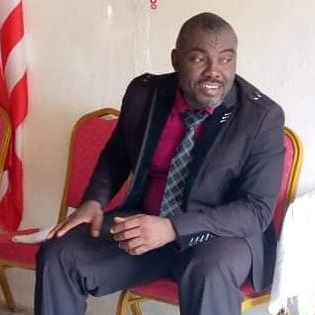
Tiawan Saye Gongloe, Liberia’s self-style political broom man, has come back with another prescription for President Joseph Boakai. This time, he’s focusing on the dark-tinted windows of presidential vehicles, arguing that they should be made clear in the name of fighting cocaine and other narcotics.
At first glance, the proposal sounds appealing. Who wouldn’t want transparency? Who would oppose a genuine effort to combat the drugs that are ruining the lives of young Liberians? And who would argue against the President setting a good example?
Howbeit, beneath the appealing rhetoric of public accountability lies a crucial question that Gongloe hasn’t convincingly addressed; is the tint on vehicle windows really the main issue in Liberia’s war against cocaine, or is this just another political stunt that confuses visibility with actual success?
Mr. Gongloe, Liberia’s drug problem is far too serious to be reduced to a debate surrounding the President’s motorcade.
Cocaine doesn’t become less harmful just because a vehicle’s windows are clear. Drug cartels won’t give up their operations simply because presidential vehicles are untinted. And the trafficking networks that endanger our youth won’t collapse just because a minister’s face is visible to a police officer on the street.
The fight against drugs requires more than just a clear view into vehicles; it requires a thorough understanding of the networks that import, distribute, protect, and profit from narcotics.
Effective border controls, intelligence-driven investigations, skilled law enforcement, reliable prosecution, and thorough financial investigations are essential.
Most importantly, it takes political courage to follow the evidence wherever it may lead, no matter the name, position, or influence of those involved. This is where President Boakai’s true leadership will be tested.
A Tinted Window Is Not a Drug Cartel
Gongloe brings up the concerning 2013 incident where cannabis was found in a vehicle marked for presidential escort. This situation warrants serious consideration, just like any credible claims regarding the misuse of government vehicles or security privileges.
Howbeit, one historical incident, cannot, by itself, establish that tinted windows are a major cause for drug trafficking in Liberia.
It also does not demonstrate that removing the tint from the President’s motorcade would substantially hinder cocaine dealers’ operations.
While a vehicle’s appearance may raise questions, the presence or absence of tinted windows does not serve as evidence of wrongdoing.
A clear window does not ensure that the passenger in a vehicle is innocent, just as a tinted window does not confirm that a criminal is inside.
Law enforcement should rely on evidence, lawful procedures, and professional judgment rather than appearances, political symbolism, or public suspicion. If the government suspects that vehicle tint is being misused to enable criminal activities, it should consistently enforce relevant traffic and security regulations. Any restrictions, including valid security exceptions, must be clear, lawful, and applied fairly. This is the essence of governance, not merely a public relations strategy.
Must the President Turn His Motorcade Into Demonstration Vehicles?
Gongloe suggests that President Boakai should start by removing the tint from the vehicles in his motorcade, setting a precedent for ministers, public officials, and everyday citizens.
Leading by example is crucial, and no responsible citizen should argue against that idea. However, true leadership is evaluated by the effectiveness of sound policies rather than just the visibility of the leader.
The President’s duty is to ensure that the country’s security institutions can effectively tackle organized crime. While his motorcade must fulfill legitimate security needs, any choice to remove tint should be grounded in legal standards, security evaluations, and the national interest—not merely on the political optics of a public challenge.
A President who initiates a fact-based investigation into drug trafficking, bolsters the institutions in charge of border security, and ensures that credible allegations are addressed without political bias showcases a form of leadership that is far more important than one who merely alters the look of his vehicles.
Ultimately, the public should insist on both accountability and wise decision-making.
The Broom Must Sweep Where the Dirt Is
Gongloe has gained public attention for his strong stance against corruption and his readiness to confront those in authority. This kind of scrutiny is essential in a democratic society. President Boakai and his administration should not be exempt from criticism, and no public official should be protected from lawful inquiries.
Howbeit, the broom man must recognize that sweeping does not equate to cleaning. A broom can tidy up a public area while leaving the deeper grime untouched.
Similarly, a government can respond to public demands for visible action without addressing the underlying issues that contribute to a national crisis.
Liberia requires a drug war that transcends mere dramatic gestures. It needs clarity regarding the supply chains that fuel the local market, the effectiveness of interdiction efforts, the prosecution of suspected traffickers, the management of seized narcotics, and the accountability of officials responsible for enforcement.
Additionally, it needs more robust prevention and rehabilitation programs for young people whose lives have been affected by drug abuse.
These are more challenging questions than whether the President’s vehicle windows are tinted, and they carry far greater significance.
If Gongloe aims to assist President Boakai in the fight against narcotics, he should advocate for tangible outcomes such as credible investigations, successful prosecutions based on admissible evidence, transparent reporting on drug seizures, and enhanced protection for communities at risk of trafficking. That would be a broom sweeping toward the real dirt.
The President Must Be Judged by Results
Gongloe links his proposal to Liberia’s expected role at the United Nations Security Council in December. With increased international visibility, domestic security and public confidence become crucial, but Liberia’s credibility won’t hinge on the luxury of its presidential vehicles.
Instead, it will depend on the country’s commitment to tackling organized crime, upholding the rule of law, and safeguarding its citizens.
President Boakai should embrace constructive criticism, including Gongloe’s recommendations, while ensuring that policy decisions are based on solid evidence rather than mere political showmanship.
The administration must also avoid the pitfall of gauging progress solely through announcements. The public has a right to know if trafficking networks are being dismantled, if investigations are yielding credible cases, and if those accountable are facing justice through due process.
This is the benchmark against which the government’s anti-drug efforts should be evaluated.
Mr. Gongloe, the issue isn’t whether Liberia should have clarity—it absolutely should. The real question is whether we are looking in the right direction.
The biggest threat to the country isn’t just what might be concealed behind tinted windows. It’s also what remains obscured by weak enforcement, compromised institutions, insufficient investigations, and a reluctance to follow credible evidence wherever it may lead.
The President’s windows should be evaluated based on legal standards and genuine security requirements.
However, the effectiveness of the country’s drug war should be judged by far more critical factors such as the traffickers who are brought to light, the criminal networks that are dismantled, the institutions that are fortified, and the young lives that are safeguarded.
Liberia needs more than just a clearer view from a motorcade; it requires a comprehensive strategy to combat narcotics.
And if the political broom man is genuinely committed to cleaning up the nation, he must steer the national dialogue away from the windows of presidential cars and focus on the entry points through which the real drug trade operates and thrives.
In the battle against cocaine, a clear window might provide a better perspective, but only strong leadership, reliable law enforcement, and accountability can ensure success.