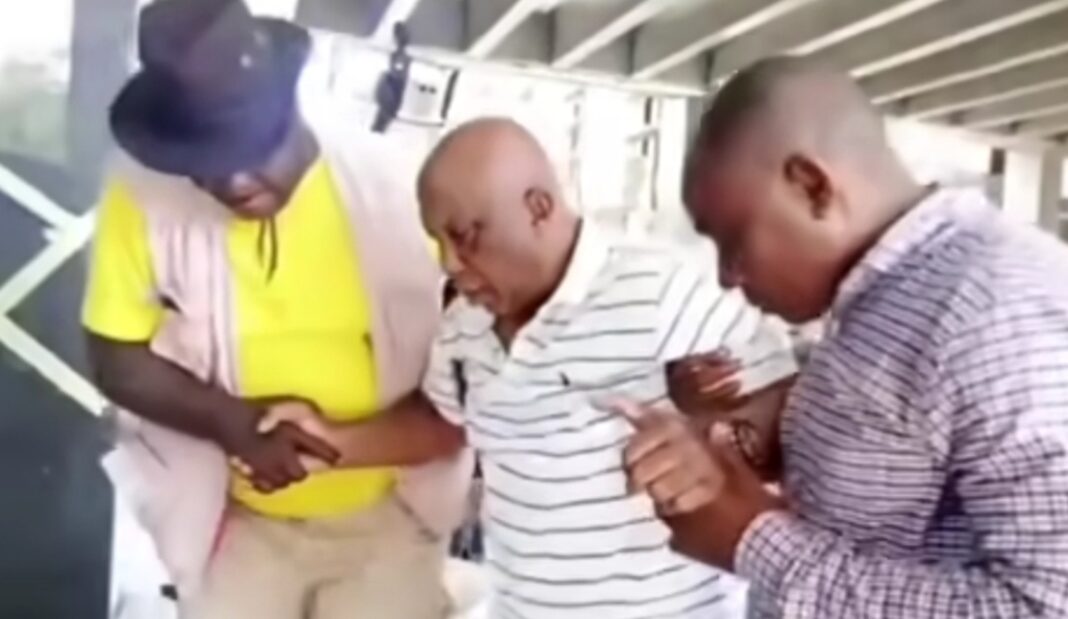
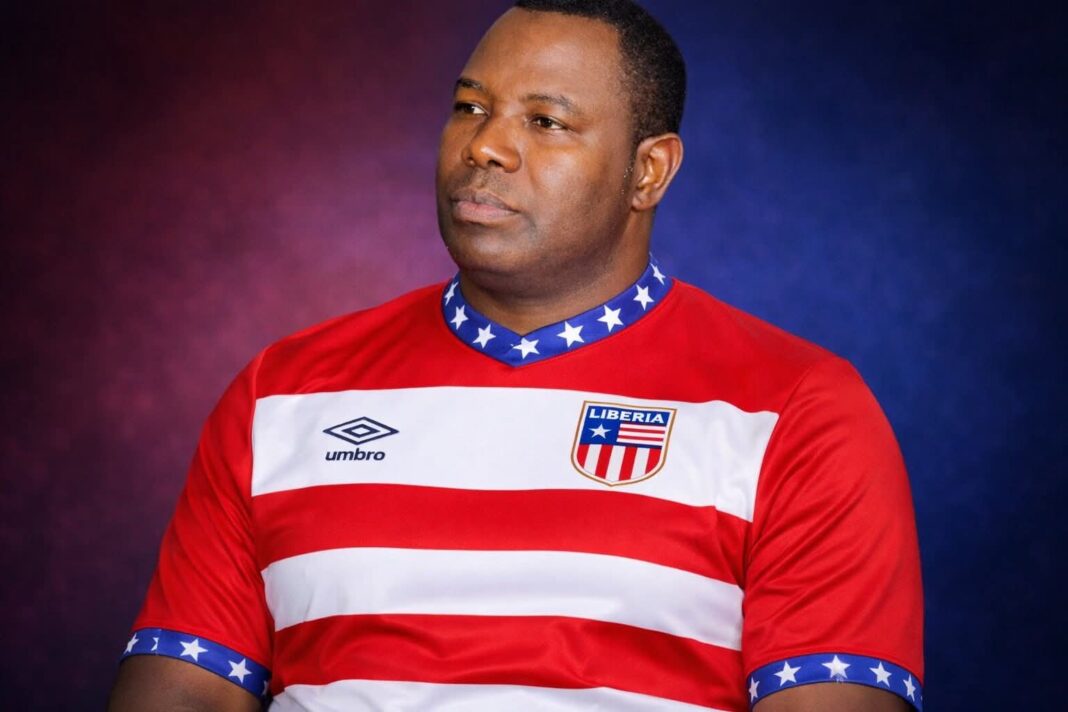
MONROVIA, LIBERIA — Unity Party National Chairman Dr. J. Luther Tarpeh has resigned as chairman of the mobilization team for Liberia’s national football team, the Lone Star, following what he describes as persistent personal attacks and political backlash over his appointment.
The resignation raises questions about the intersection of partisan politics and national sports, particularly given Tarpeh’s position as a senior figure in the ruling Unity Party and the controversy surrounding his public political rhetoric.
In a resignation letter dated October 24, 2026, and addressed to Liberia Football Association President Mustapha Raji, Tarpeh announced that his departure from the mobilization position would take immediate effect.
Tarpeh attributed his decision to sustained criticism and personal attacks, alleging that some radio stations had repeatedly targeted him, including making remarks about his late mother.
“There is no human being who will not respond to these unprovoked attacks,” Tarpeh wrote.
He maintained that his decision was intended to prevent the controversy surrounding his person from distracting the national team from its objectives.
POLITICAL RHETORIC AND THE LONE STAR CONTROVERSY
However, Tarpeh’s resignation comes against the backdrop of concerns over the politicization of national institutions and activities that are expected to unite Liberians across party lines.
Critics may question whether a senior ruling-party official whose political rhetoric has generated controversy can lead a national football mobilization effort without the position becoming entangled in partisan disputes.
Tarpeh has faced criticism over remarks reportedly threatening to remove CDCians from Liberia and mocking members of the opposition Coalition for Democratic Change (CDC). Those remarks, if confirmed in their full context, provide important background to the public reaction surrounding his role.
The controversy raises a fundamental question: Can a political leader whose public statements alienate sections of the population effectively mobilize support for a national team that belongs to all Liberians?
National football is often regarded as a unifying force, bringing together supporters regardless of political affiliation, ethnicity, religion, or social status. Consequently, public officials and political leaders associated with the sport face expectations that their conduct will help build, rather than deepen, national divisions.
At the same time, criticism of a public figure does not justify personal abuse, insults against family members, or attacks on deceased relatives. Tarpeh’s allegations against some radio stations warrant scrutiny and, where substantiated, condemnation.
WAS THE RESIGNATION A RESPONSE TO CRITICISM OR AN ATTEMPT TO PROTECT THE TEAM?
In his letter, Tarpeh defended his contribution to the Lone Star, describing his period of mobilization as successful and crediting the effort with helping revive public enthusiasm for the national team.
He also challenged the suggestion that his position as Unity Party chairman should disqualify him from helping mobilize support and resources for Liberia’s football team.
Nevertheless, his resignation leaves questions about the circumstances that made his continued leadership of the mobilization effort controversial.
Was the backlash driven primarily by his political affiliation, his reported remarks against CDC supporters, the manner in which his appointment was received, or a combination of these factors?
The answers require a fuller examination of Tarpeh’s public statements, the reaction of football stakeholders, and the circumstances surrounding his appointment.
His resignation letter establishes his stated reason for stepping aside, but it does not independently resolve the wider controversy.
A NATIONAL TEAM ABOVE PARTY POLITICS?
The Lone Star represents Liberia, not the Unity Party, the CDC, or any other political organization. Its mobilization efforts therefore depend on the willingness of supporters across the political divide to rally behind the national colours.
Although political leaders can contribute resources, publicity, and organizational support, their participation can become contentious when political rivalries overshadow the sporting objective.
Tarpeh says he will continue supporting the Lone Star from behind the scenes despite leaving his official position.
He thanked the Liberia Football Association for the opportunity to serve and wished the team’s leadership, technical staff, mobilization team, and players success.
His departure now leaves the football association and the wider public with a broader issue to consider: how Liberia can encourage political leaders to contribute to national development and sports without allowing partisan divisions to undermine those efforts.
Ultimately, the controversy surrounding Tarpeh’s resignation extends beyond one individual. It highlights the delicate balance between political participation, freedom of expression, public accountability, and the responsibility to preserve national unity.
For Liberian football supporters, the priority remains ensuring that the Lone Star continues to receive the broad-based national support its success requires.