Senator warns that cocaine traffickers are infiltrating Liberia’s institutions, threatening post-war stability and supplying drugs to British communities
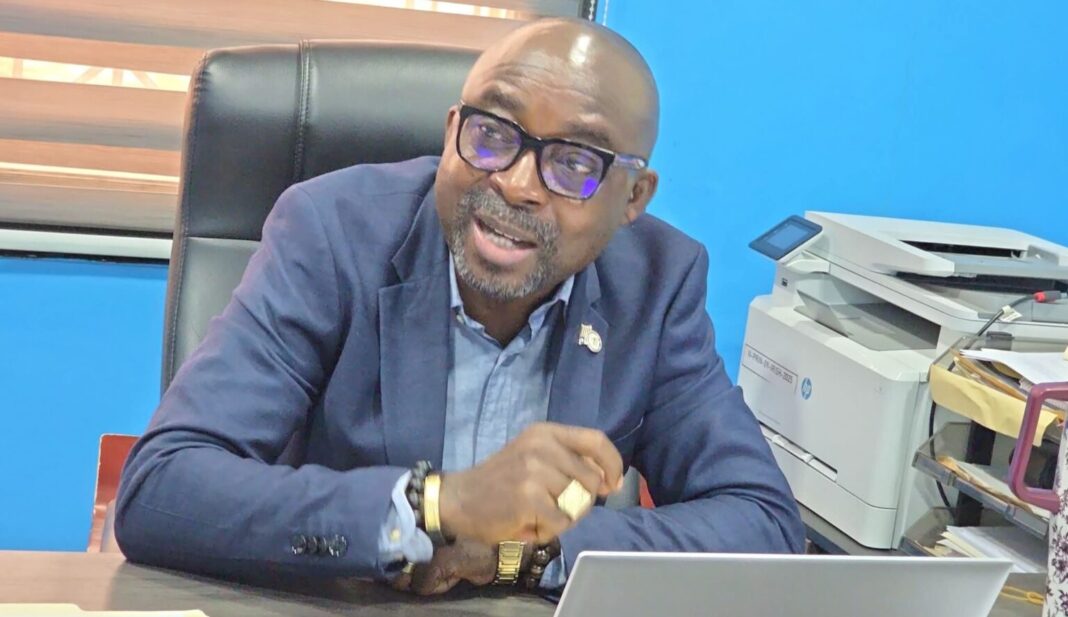
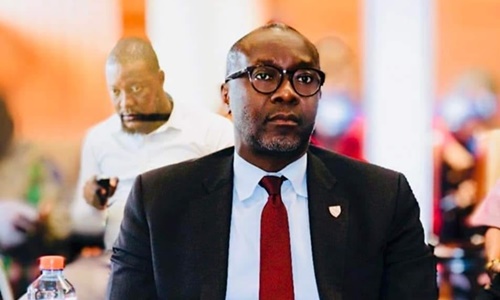
MONROVIA — As Liberia struggles to contain a growing cocaine trafficking crisis that has exposed serious weaknesses in its security and law enforcement systems, Senator Amara Mohammed Konneh has taken the fight beyond the country’s borders, appealing to British authorities for stronger cooperation against international drug networks operating across West Africa.
According to Britain’s The Mirror, Konneh recently travelled to the United Kingdom to lobby British lawmakers and members of the House of Lords for support in confronting an international organised crime network allegedly connected to major cocaine trafficking operations involving Liberia.
The Gbarpolu County Senator warned that the criminal networks threatening Liberia are not operating in isolation but are connected to the supply of cocaine in major British cities, including London and Birmingham.
“The UK and Liberia need to come together now to deal with this common threat,” Konneh told The Mirror.
He cautioned that traffickers were attempting to penetrate Liberia’s institutions, corrupt public systems and establish safe havens for their operations.
“We see a network that is trying to infiltrate our institutions, that is trying to corrupt our systems to find safe havens in our country. It is the same network that is supplying the streets of London and Birmingham,” he said.
COCAINE TRADE AND LIBERIA’S FRAGILE PEACE
Konneh’s appeal comes amid growing international concerns over Liberia’s emergence as a potential transit and storage point for cocaine shipments moving from South America through West Africa to Europe.
The country has been rocked by major drug seizures, including approximately 237.6 kilograms of cocaine intercepted at Roberts International Airport in June, followed by the discovery of nearly four metric tons of cocaine in Duazon, Margibi County, in July.
The seizures, valued collectively at hundreds of millions of dollars, have raised troubling questions about the activities of international trafficking networks, the involvement of local collaborators and possible weaknesses within Liberia’s security institutions.
For Konneh, the danger extends beyond the immediate criminal cases.
He warned that the cocaine trade could threaten the peace and democratic progress Liberia has achieved after years of devastating civil conflict.
“The demand for cocaine here in Britain is fuelling a potentially destabilising force in my country that is still recovering from a civil war,” he told the British newspaper.
He added that Liberia had worked hard to restore stability and had experienced four successive democratic transitions, but warned that the growing drug menace could undermine those achievements.
KONNEH SEEKS BRITISH PRESSURE AND INTERNATIONAL COOPERATION
Beyond requesting assistance from British lawmakers, Konneh called for stronger international cooperation, urging Britain and its allies to use their diplomatic influence, including at the United Nations Security Council, to confront the expanding criminal networks.
He also appealed to British law enforcement authorities to intensify efforts to locate Usman Ali, a British national reportedly charged in connection with the cocaine shipment intercepted at Roberts International Airport.
“We were hoping that the British authorities will accelerate their search for him here in England and hopefully make him available to Liberia to face justice,” Konneh said.
The appeal highlights the growing importance of cross-border investigations, intelligence sharing and cooperation between law enforcement agencies in countries connected to the international cocaine trade.
A TEST FOR LIBERIA’S SECURITY INSTITUTIONS
Konneh’s intervention comes at a critical moment for the Boakai administration, which has repeatedly declared its commitment to fighting illicit drugs and dismantling trafficking networks.
However, the scale of the recent seizures has intensified public scrutiny of the country’s ability to detect, prevent and investigate sophisticated international criminal operations.
The central questions remain how such enormous quantities of cocaine entered Liberia, who facilitated their movement, whether influential individuals provided protection and whether the investigations will reach all those responsible, regardless of their political or institutional connections.
A Home Office spokesperson, responding to the issue in the report, said Britain’s National Crime Agency and Border Force were working closely with partners across West Africa to disrupt drug trafficking routes and dismantle criminal gangs.
For Liberia, the challenge is not simply to secure foreign assistance but to demonstrate the political will to investigate suspected local collaborators, strengthen border controls and ensure that those implicated in the drug trade face justice.
Konneh’s message to Britain is therefore also a warning to Liberia: the cocaine crisis is no longer merely a law enforcement problem. It is a national security threat with potentially serious consequences for the country’s peace, international reputation and future.