MONROVIA – As Liberia takes center stage in advancing statistical cooperation across West Africa, the Director-General of the Liberia Institute of Statistics and Geo-Information Services (LISGIS), Hon. Richard Fatorma Ngafuan, is using the country’s hosting of a major ECOWAS statistical gathering to emphasize the urgent need for stronger national statistical institutions, professional independence and reliable data to guide public policies and development decisions.
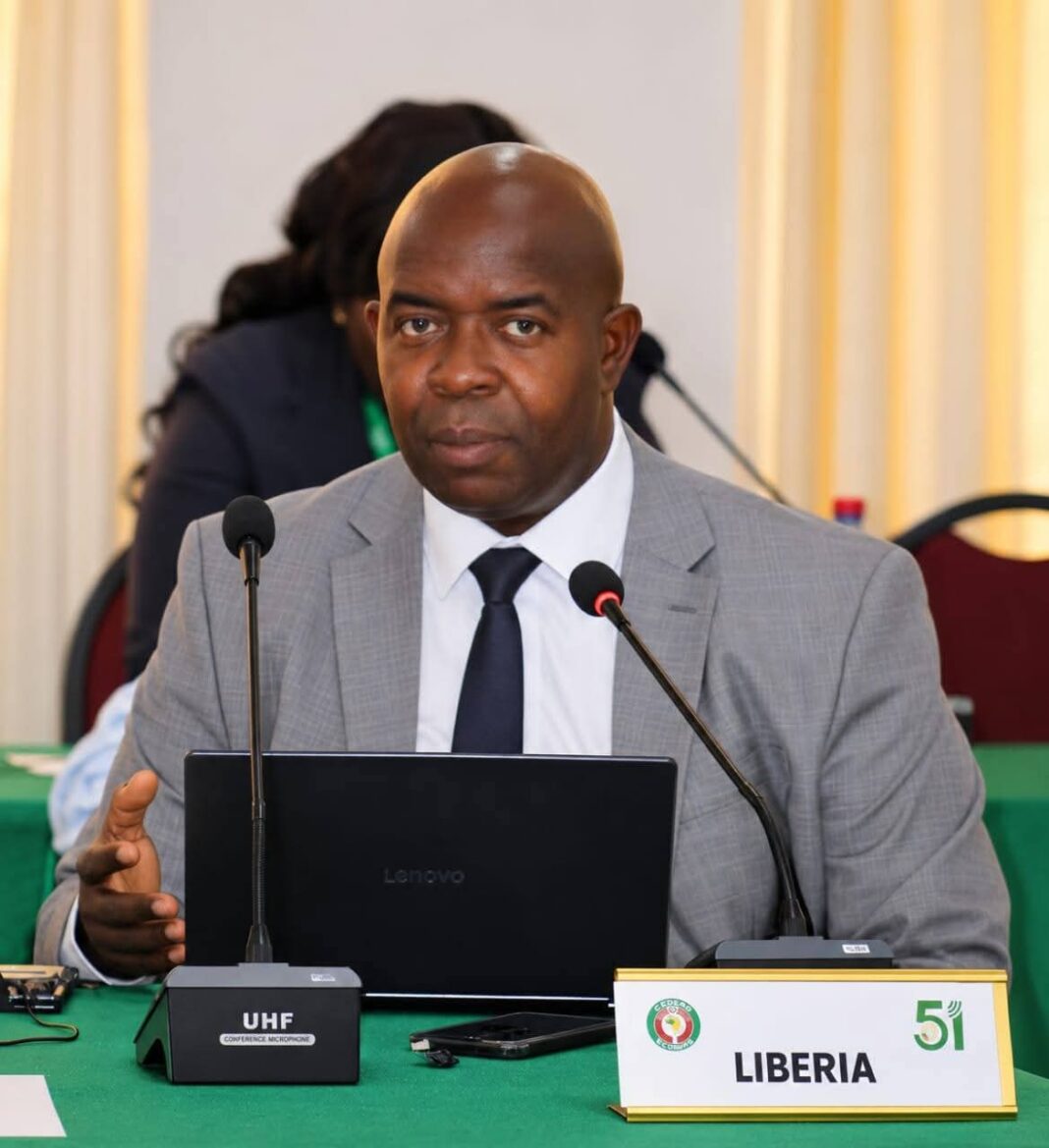
Ngafuan made the case during the opening of the Second Meeting of the ECOWAS Regional Statistical Coordination Committee for Directors-General of National Statistical Offices, which commenced on Monday, November 16, 2026, at Sinkor Palace in Congo Town, Monrovia.
The five-day regional meeting, running through November 20, has brought together Directors-General of National Statistical Offices and key regional stakeholders to assess progress in statistical harmonization, validate strategic regional documents and strengthen cooperation among West African countries.
For Liberia, hosting the gathering provides an opportunity to demonstrate its commitment to statistical development while positioning LISGIS as an important institutional partner in regional efforts to improve the quality, credibility and accessibility of official statistics.
In his welcome remarks, Director-General Ngafuan placed reliable, timely and harmonized statistics at the center of effective governance, explaining their importance in measuring development progress, guiding public policies and promoting regional integration.
His message went beyond the technical production of statistical information, drawing attention to the institutional conditions necessary for national statistical systems to function effectively.
He emphasized the need to strengthen statistical institutions, protect professional independence, guarantee data confidentiality and build the institutional capacity required to produce credible and dependable information.
These priorities are particularly important for countries seeking to improve public administration, monitor development commitments and ensure that government decisions are supported by accurate evidence rather than assumptions.
For LISGIS, the challenge is not simply collecting figures but ensuring that the information produced is sufficiently reliable, professionally managed and available to support national planning and accountability.
Ngafuan’s emphasis on professional independence also highlights the importance of allowing statistical institutions to perform their responsibilities with integrity and technical credibility.
Official statistics serve as a foundation for measuring economic performance, population trends, employment, poverty, education, health and other indicators that influence national development priorities.
Without dependable statistical systems, governments risk making policy decisions based on incomplete information, while development partners and regional institutions may encounter difficulties comparing progress across countries.
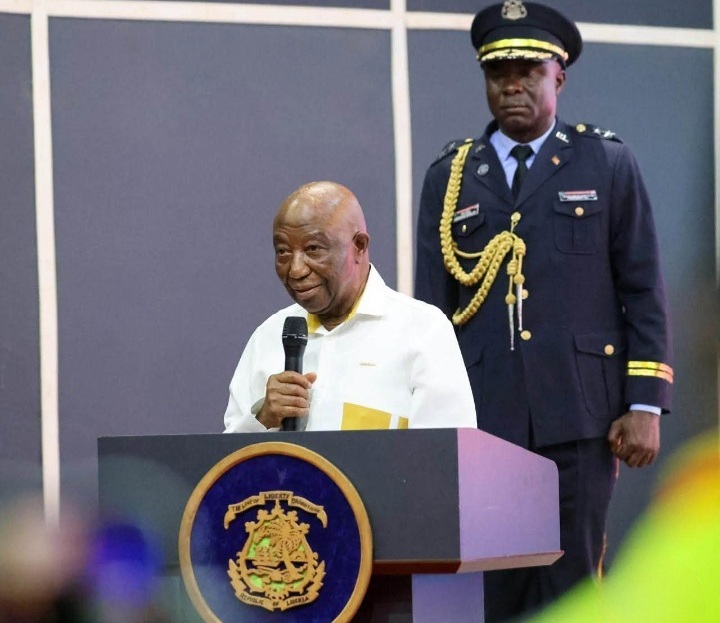
The opening ceremony was officially declared open by the Honourable Minister of State for Presidential Affairs, Mr. Samuel A. Stavquoah, who represented President Joseph Nyuma Boakai.
Speaking on behalf of the President, the Minister reaffirmed the Government of Liberia’s commitment to regional statistical cooperation and evidence-based development.
The government’s position reinforces the importance of LISGIS and other national statistical institutions in providing the information necessary to measure development outcomes, evaluate public interventions and support informed decision-making.
Liberia’s participation in the regional initiative also reflects the country’s recognition that statistical development cannot be pursued in isolation, particularly as West African economies become increasingly interconnected through trade, investment, migration and regional integration programs.
The gathering therefore provides an important platform for national statistical institutions to examine common challenges and develop approaches that improve the consistency and comparability of official data.
The opening ceremony attracted several regional and international representatives whose institutions play important roles in statistical development and regional cooperation.
Among those who delivered remarks were His Excellency Ambassador Mohammed Kenewui Konneh, ECOWAS Resident Representative in Liberia; Mr. Samson Bel-Aube Nougbodohoue, Director of Research and Statistics at the ECOWAS Commission; and Madam Georgia Wallen, World Bank Country Representative in Liberia.
The UNFPA Country Representative, Dr. Mady Biaye, also attended the ceremony.
Their participation highlighted the importance of coordinated efforts among national governments, regional institutions and development partners in strengthening statistical capacity across West Africa.
For Liberia, such cooperation is important in addressing institutional capacity constraints, improving statistical methodologies and ensuring that national information systems remain aligned with regional and international standards.
The emphasis placed by Ngafuan on institutional strengthening, professional independence and confidentiality presents an important framework for the continued development of Liberia’s national statistical system.
A credible statistical institution must be able to collect and process information professionally, protect respondents’ confidential information and produce findings that command public and institutional confidence.
Data confidentiality is particularly important because individuals, households, businesses and other respondents must have confidence that information supplied for statistical purposes will be protected and handled responsibly.
Professional independence is equally essential to maintaining the integrity of official statistics, ensuring that statistical findings are guided by accepted methodologies and professional standards.
Institutional capacity, meanwhile, determines whether national statistical offices have the necessary technical expertise, systems and resources to produce timely and accurate information.
These priorities are closely connected to Liberia’s broader development ambitions, particularly the need for dependable information to monitor government programs, evaluate public spending and measure progress under national development frameworks.
The ECOWAS meeting offers LISGIS an opportunity to engage its regional counterparts on these challenges while contributing to collective efforts aimed at improving statistical production and coordination.
As the five-day meeting continues through November 20, participants are expected to review progress in statistical harmonization, validate regional strategic documents and strengthen cooperation among ECOWAS member states.
The expected outcome is stronger collaboration among national statistical offices and improved production of comparable, credible and reliable statistics to support informed decision-making and sustainable development across West Africa.
For Director-General Ngafuan, the significance of the gathering lies not only in Liberia’s role as host but also in the opportunity to advance a stronger institutional foundation for statistical excellence.
His message places LISGIS at the center of a broader regional conversation about the quality of official information, the independence of statistical institutions and the importance of evidence in shaping public policies.
As Liberia welcomes statistical leaders from across the region, the country’s hosting of the meeting provides an important platform for Ngafuan and LISGIS to demonstrate their commitment to strengthening national statistical capacity and advancing cooperation in West Africa.