
MONROVIA – Representative Taa Wongbe of District 9, Nimba County, has raised an alarm that cuts to the core of Liberia’s digital security and governance. On Thursday, February 5, 2026, he formally wrote the Speaker of the House requesting an urgent legislative briefing following reports of a possible cybersecurity breach involving major government institutions, including the Liberia Revenue Authority, the Liberia Electricity Corporation, and the National Investment Commission.
The allegations are deeply troubling. Reports indicate that sensitive data from these institutions may have been accessed and is allegedly being offered for sale on the dark web. If confirmed, this would mark one of the most serious breaches of government systems in Liberia’s recent history, with far-reaching implications for taxpayer privacy, investor confidence, and national security.
Cybersecurity is no longer a technical side issue. It is a central pillar of modern governance. The LRA manages sensitive taxpayer and revenue data, the LEC controls systems critical to energy distribution, and the NIC safeguards investor information vital to economic growth. A breach across such institutions signals systemic vulnerabilities, not isolated failure.
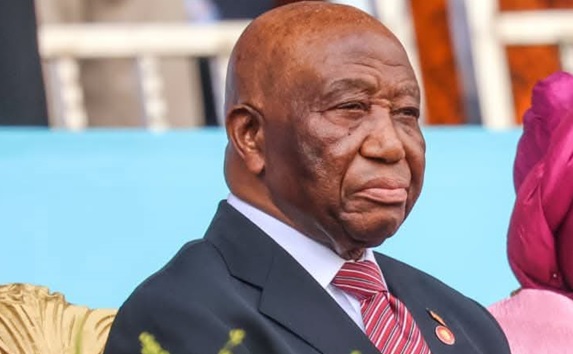
These institutions operate under the authority of the executive branch headed by President Joseph Nyuma Boakai. While technical failures may occur at agency levels, the responsibility for policy direction, funding, and oversight rests with the presidency. Weak digital safeguards reflect deeper governance lapses.
Silence from the executive in the face of these allegations would be reckless. Representative Wongbe’s demand for transparency underscores a fundamental democratic principle: when public data is at risk, the public deserves immediate and honest answers.
The Legislature has a duty to demand accountability, but it should not be the first responder in a national security scare. A proactive administration would have already commissioned an independent forensic investigation and briefed the nation on preliminary findings.
Investor confidence is fragile in Liberia, and the NIC is central to protecting it. Any suggestion that investor records are vulnerable to cyber theft could deter much-needed foreign and domestic investment, undermining economic recovery efforts.
The potential exposure of LEC and LRA systems is equally dangerous. Disruptions to revenue collection or electricity management could ripple across the economy, affecting government operations and daily life for ordinary Liberians.
This alleged breach also exposes the absence of a coherent national cybersecurity strategy. Without trained personnel, modern infrastructure, and enforceable standards, government systems remain easy targets for cybercriminals.
President Joseph Nyuma Boakai now faces a defining leadership moment. He can confront this threat with transparency, accountability, and decisive reform, or allow silence and inertia to deepen public mistrust. In the digital era, failure to secure government systems is not just a technical oversight. It is a governance failure with national consequences.