MONROVIA, LIBERIA – President Joseph Nyuma Boakai’s administration is seeking to strengthen opportunities for young Liberians while addressing financial pressures confronting small businesses, following a series of Cabinet decisions that place employment, skills development, enterprise support, and economic relief at the center of its latest policy discussions.
The decisions, reached during the regular Cabinet meeting on Thursday, November 12, at the Tea House of the Executive Mansion, endorsed PATHWAYs, a proposed ten-year national vision for youth empowerment, extended the Youth Outcome Compact across government, and directed the Economic Management Team to submit recommendations on proposed small business stimulus measures within 72 hours.
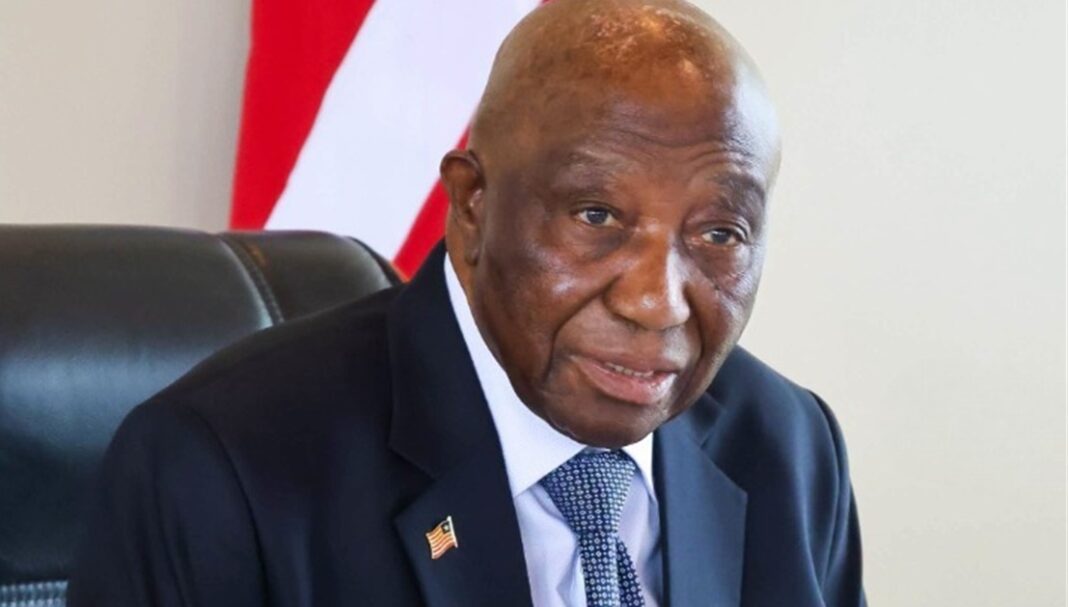
The meeting, chaired by President Boakai under the theme, “Building on Economic Growth: Investment in Livelihoods and Empowering the Next Generation,” brought together two important dimensions of Liberia’s development agenda: expanding the economic prospects of the country’s young population and easing the operational difficulties confronting businesses affected by delays and rising costs at the port.
Under the youth development component, the Ministry of Youth and Sports presented PATHWAYs as a ten-year vision designed to expand opportunities for young Liberians to acquire job-relevant skills, participate in sports, and earn sustainable livelihoods through the creative economy.
The initiative reflects an approach that seeks to connect youth development with practical economic opportunities rather than limiting government interventions to short-term programmes or isolated training activities.
Through PATHWAYs, the government intends to create a framework for improving young people’s access to skills development, employment opportunities, sports participation, and enterprise support, recognizing that these areas can contribute to building a more productive and economically active generation.
A central component of the proposal is the extension of the Youth Outcome Compact across government. Under this arrangement, ministries are expected to work toward shared youth development targets, creating a coordinated approach to identifying opportunities and improving access to programmes that directly benefit young people.
The decision is particularly important because youth development responsibilities often extend across several government institutions, including those responsible for education, employment, sports, economic planning, enterprise development, and social protection.
By endorsing the Youth Outcome Compact for implementation across government, Cabinet has established a policy direction intended to encourage ministries to align their interventions around common objectives rather than operate through disconnected initiatives.
The government has also mandated the preparation of an annual State of the Youth Report, beginning in 2027.
According to the Cabinet communiqué, the report will track who is benefiting from youth development programmes, identify areas where gaps remain, and guide policy and budget decisions toward the needs of young Liberians.
The proposed reporting mechanism could become an important instrument for measuring the effectiveness of government interventions, particularly if it provides reliable information on access to training, employment outcomes, enterprise support, and participation in sports and the creative economy.
Beyond announcing programmes, the annual report is expected to provide a basis for assessing whether government investments are translating into measurable opportunities for the country’s young population.
Its value will therefore depend on the quality of the information collected, the consistency of reporting, and the extent to which ministries use the findings to improve programme delivery and budget priorities.
While the youth development decisions seek to address long-term opportunities, Cabinet also considered immediate economic pressures affecting small businesses, particularly those experiencing difficulties clearing goods at Liberia’s port.
The Senior Economic Advisor presented a proposed economic stimulus package intended to ease the financial burden on businesses affected by delays in clearing imported goods and increasing storage charges.
The proposals include targeted fee relief, flexible payment arrangements, access to working capital, and faster clearance procedures.
These measures are intended to address some of the operational costs that can place additional pressure on small businesses, particularly those that depend on imported goods and require timely clearance to maintain their trading activities.
For businesses operating with limited financial resources, prolonged delays at the port can create additional storage expenses, tie up working capital, and disrupt the movement of goods into the domestic market.
Rising charges and delays can also make it more difficult for smaller enterprises to meet financial obligations, replenish inventory, and sustain their daily operations.
The proposed relief package therefore places attention on the relationship between port efficiency, business liquidity, and the ability of small enterprises to remain active in the economy.
However, Cabinet did not announce the immediate implementation of the proposed relief measures.
Instead, the meeting directed the Economic Management Team to lead a review of the proposals, assess their costs and benefits, refine the package, identify the steps required for implementation, and establish the responsibilities of the relevant government agencies.
In a time-bound decision, the Economic Management Team was instructed to submit its recommendations to President Boakai within 72 hours.
The directive creates an immediate responsibility for the economic management authorities to determine which interventions are financially feasible, how eligible businesses would benefit, and what administrative arrangements would be required to deliver the proposed relief.
The review will also be important in ensuring that any fee reductions or flexible payment arrangements are properly targeted and consistent with the government’s revenue and fiscal responsibilities.
The proposed access to working capital could also provide an avenue for addressing liquidity constraints among qualifying businesses, although the communiqué does not specify the amount of funding, eligibility requirements, or the institutions that would administer such support.
Taken together, the Cabinet decisions demonstrate an effort to address both the long-term and immediate dimensions of Liberia’s economic development.
On one hand, PATHWAYs and the Youth Outcome Compact seek to establish a coordinated framework for preparing young Liberians for employment, entrepreneurship, sports, and participation in the creative economy over the next decade.
On the other, the proposed stimulus package recognizes the need to address immediate business constraints that can affect commercial activities, employment, and the availability of goods in the domestic market.
The connection between these two policy areas is important. Expanding youth opportunities requires an economy capable of generating employment and supporting enterprises. Equally, businesses that are able to operate efficiently and access working capital are better positioned to sustain commercial activities and potentially create additional employment opportunities.
For the Boakai administration, the challenge will be to ensure that the endorsed youth development framework moves beyond policy formulation into practical programmes with measurable results, while the proposed business relief measures translate into timely interventions for enterprises facing port-related difficulties.
The introduction of the State of the Youth Report in 2027 offers an opportunity to strengthen accountability in the delivery of youth programmes. Similarly, the 72-hour deadline for the Economic Management Team provides a defined timeline for advancing the assessment of proposed business relief.
Nevertheless, the effectiveness of both decisions will depend on adequate financing, institutional coordination, clear implementation responsibilities, and consistent monitoring.
As Liberia continues to pursue economic growth and development under the ARREST Agenda, the November 12 Cabinet meeting has placed renewed emphasis on ensuring that young people have access to opportunities and that small businesses receive attention when operational difficulties threaten their ability to function.
The coming period will therefore be important in determining how the ten-year youth vision is translated into measurable national outcomes and whether the proposed economic stimulus interventions can provide practical relief to businesses struggling with port-related costs and delays.