By Socrates Smythe Saywon | Smart News Liberia
MONROVIA – The arrest and public humiliation of nurse Paola Bedell has generated fierce political and public criticism, with the opposition Congress for Democratic Change accusing the administration of Joseph Boakai of using state power to silence citizens rather than addressing growing public concerns over potential health threats.
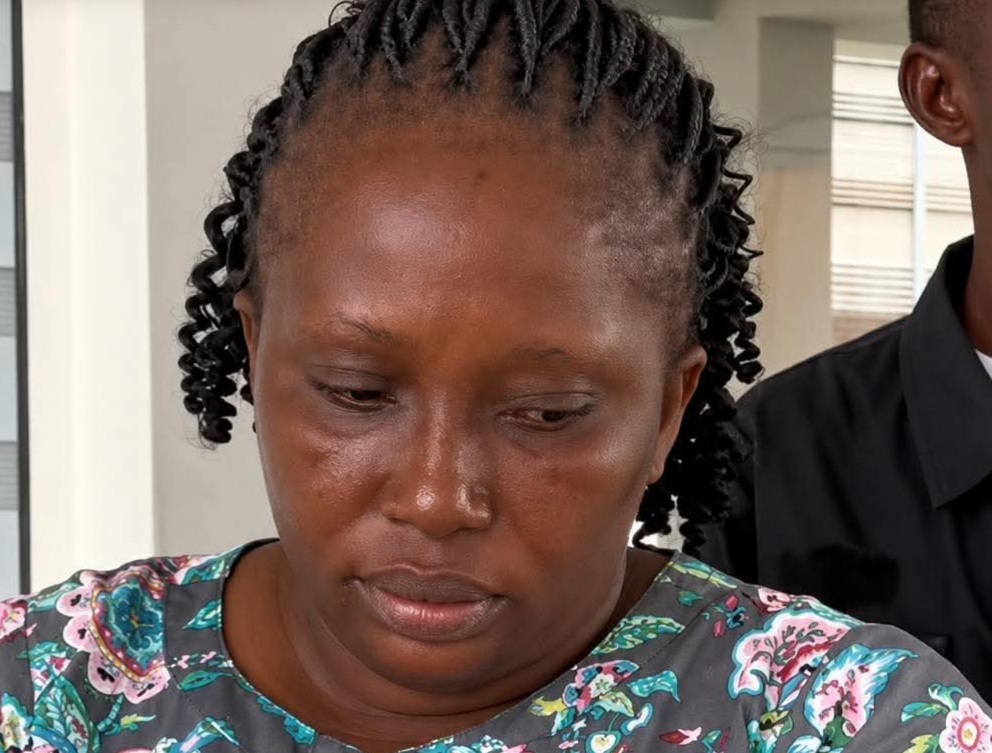
Bedell, who was arrested on Friday, May 23, 2026, after allegedly circulating alarming claims about suspected Ebola-related cases at the John F. Kennedy Medical Center, has now broken her silence, insisting that the information she shared did not originate from political propaganda or deliberate misinformation but from an internal professional briefing involving health workers.
According to Bedell, nurses at JFK Medical Center were assembled during an in-service training where senior nursing officials allegedly urged staff members to exercise extreme caution when handling patients and to consistently wear personal protective equipment. She claimed the warning stemmed from reports that individuals returning from a conference in Uganda had allegedly entered Liberia through the airport without proper health surveillance.
The nurse further alleged that some of those individuals reportedly displayed symptoms resembling Ebola Virus Disease, including red eyes and other concerning signs. She claimed the matter was discussed among health personnel and that the suspected patients were later transferred to surveillance authorities because JFK allegedly lacked the capacity to manage such cases.
Despite repeated assurances from the Ministry of Health and the National Public Health Institute of Liberia that there is absolutely no Ebola outbreak in Liberia, the controversy has rapidly evolved into a major political storm, exposing growing public distrust, weak government communication, and fears of heavy-handed state action.
Instead of calming public anxiety through transparent communication, critics argue that the government’s response appeared more focused on punishing the messenger. Images and reports of Bedell being handcuffed and turned over to police immediately triggered widespread backlash, particularly from opposition figures and civil society voices who viewed the action as excessive and intimidating.
In a statement on Sunday, May 24, 2026, the CDC described the arrest as a dangerous sign of authoritarian behavior and accused the government of weaponizing state institutions to suppress public expression. The party argued that what should have been handled as a sensitive public health communication issue was transformed into what it called “state-sanctioned fear, calculated intimidation, and public humiliation.”
The CDC warned that Liberia’s painful experience during the 2014 Ebola crisis should have taught authorities the importance of encouraging early reporting, vigilance, and public awareness rather than criminalizing citizens for raising concerns. The opposition maintained that fear surrounding infectious diseases cannot be addressed through police force and intimidation tactics.
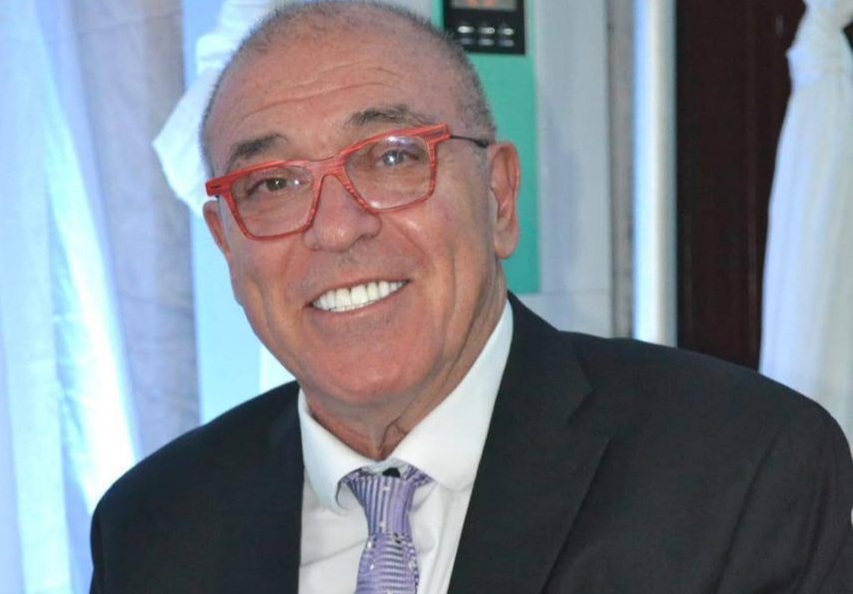
The party also directly blamed Gregory Coleman and Samuel Kofi Woods for what it described as a worsening climate of fear and politically charged policing under the Boakai administration. According to the CDC, Liberia is witnessing an alarming pattern where state security institutions are increasingly being used against ordinary citizens and perceived critics of government.
The controversy has also raised serious questions about the government’s handling of information during periods of public uncertainty. Critics of the Joseph Boakai administration argue that if health workers were indeed advised internally to remain alert and use protective measures, then authorities should have anticipated public anxiety instead of responding with arrests and public embarrassment.
Liberians on social media believe the incident reflects a deeper communication crisis within Liberia’s health sector. Public trust in government institutions remains fragile, particularly after years of political instability, corruption scandals, and weak public service delivery. In such an environment, experts say rumors spread rapidly whenever official communication appears delayed, inconsistent, or secretive.
For many Liberians, the sight of a frontline nurse being handcuffed over statements tied to a possible health scare sends a troubling message to other healthcare workers and whistleblowers. Critics fear that such actions could discourage medical personnel from speaking openly during future emergencies, potentially undermining national preparedness and response efforts.
The Boakai administration now faces mounting pressure to explain why a matter involving alleged misinformation was escalated into a criminal investigation instead of being addressed through professional clarification and public education. Political commentators argue that the government’s aggressive response may have unintentionally amplified the very panic it claimed to be preventing.