The conviction of 63-year-old Peter Bon Jallah for statutory rape and kidnapping should serve as a sobering reminder that the protection of children must never be treated as a secondary responsibility in Liberia. While Criminal Court “E” at the Temple of Justice has found Jallah guilty of two criminal offences involving a 16-year-old boy, the verdict raises a question that deserves far greater public attention than the announcement of a guilty finding. What happens to the victim after the courtroom doors close, the public attention fades, and the family is left to confront the consequences of an experience that no child should have to endure?
A criminal conviction is an important instrument of accountability, but it cannot independently restore a child’s emotional security, erase distress, or guarantee a family’s peace of mind. The true measure of justice must therefore extend beyond the court’s decision to the protection of the victim, the support provided to the family, and the determination of the state to prevent similar offences against other children. If Liberia celebrates a verdict without confronting these responsibilities, it risks treating the outcome of one trial as the solution to a problem that demands sustained institutional attention.
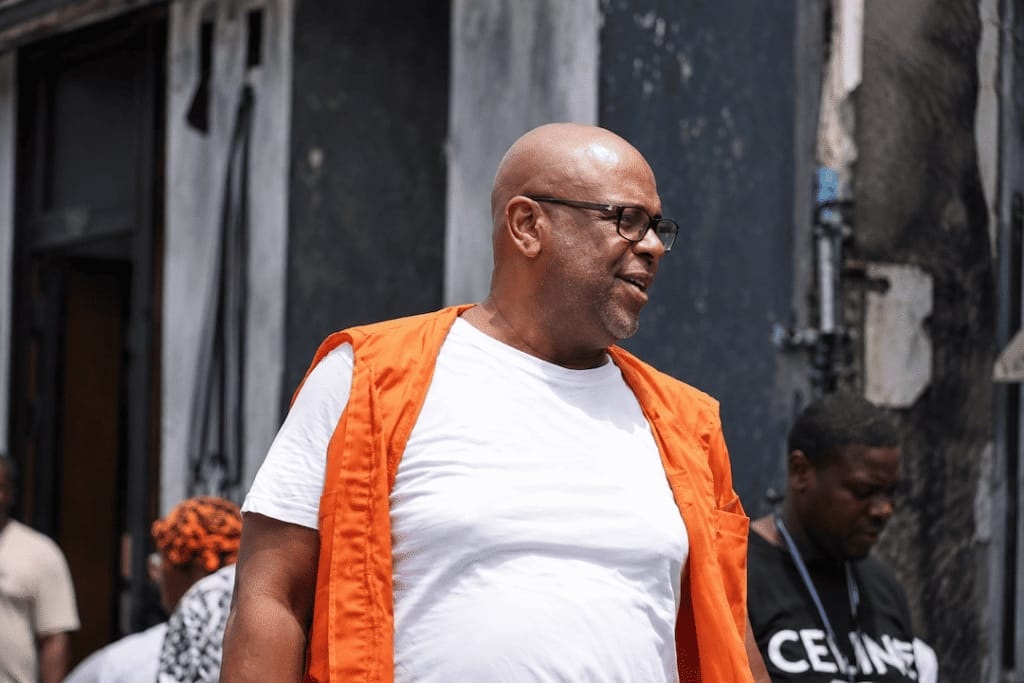
On Friday, October 23, 2026, Judge Wesseh Alphonso Wesseh Sr. found Jallah guilty of statutory rape and kidnapping but acquitted him of gang rape. The defense, through Cllr. Wilfred Sayeh, announced plans to appeal the ruling to the Supreme Court of Liberia. The court ordered Jallah remanded at Monrovia Central Prison, with reporting indicating that a pre-sentence and behavioral report was being sought before sentencing. The precise punishment had not been announced in the initial reports of the verdict.
These distinctions matter. The guilty findings must be acknowledged, the acquittal must be respected, and the announced appeal must be treated as part of the legal process. Yet respect for due process should not prevent Liberia from examining the broader responsibility of its justice and child-protection systems. The seriousness of sexual offences involving children demands a response that is both legally sound and attentive to the needs of those affected.
At the centre of this case is a 16-year-old boy whose identity and privacy deserve protection. Public discussion should not reduce him to evidence, a witness, or a name associated with a criminal proceeding. He is a child whose welfare must remain a priority throughout the legal process and beyond it.
For a victim of sexual violence, the conclusion of a trial does not necessarily mark the end of the emotional burden. The process of reporting an offence, undergoing medical examinations, recounting distressing experiences, answering questions in court, and waiting for a decision can be difficult. The impact differs from one person to another, but victims may require professional counselling, consistent family support, protection from intimidation, and time to recover their sense of security.
The family can also experience considerable pressure. Relatives may have to manage emotional distress while navigating investigations, court appearances, medical concerns, and uncertainty about the legal outcome. Public attention can create additional difficulties when people speculate about the case, question the victim’s credibility without proper basis, or circulate information that exposes a child’s identity.
This is where the responsibilities of Liberia’s relevant institutions must be examined. Is adequate psychosocial support available to children who report sexual offences? Are families informed about the services they can access? Are victims protected against harassment, intimidation, and public exposure? And does the system maintain sufficient support after a trial concludes?
These are not questions that can be answered by a guilty verdict alone. They require practical commitments from the institutions responsible for child welfare, healthcare, law enforcement, and justice. Where support is needed, it should be based on the victim’s circumstances and delivered with sensitivity, confidentiality, and respect.
The public must also resist the harmful practice of blaming victims or treating sexual abuse as a source of family shame. Responsibility for a criminal offence belongs to the person found guilty of committing it, not to the child who reports the experience. A victim should never be forced to carry the additional burden of defending their dignity against gossip, ridicule, or social rejection.
Jallah’s conviction sends a clear message about the consequences of criminal conduct established in court. No individual should assume that age, wealth, professional position, personal connections, or access to influential people automatically places them beyond the reach of the law.
The protection of children is a fundamental responsibility shared by families, communities, schools, public institutions, and the justice system. Children depend on adults to provide safety and guidance. When that trust is violated through sexual exploitation, the consequences can extend beyond the immediate incident, affecting a child’s confidence, relationships, education, and sense of security.
Anyone who engages in sexual offences against children must understand that such conduct is not made acceptable by silence, financial arrangements, personal influence, or attempts to protect a reputation. Where a criminal offence is proved, accountability must follow under the law. Attempts to intimidate victims, obstruct investigations, or pressure families into silence should never be tolerated.
However, the warning must be grounded in the law rather than public anger. Jallah was convicted of statutory rape and kidnapping, not gang rape. The court’s acquittal on the latter charge must not be misrepresented as a conviction, and the announced appeal must be allowed to proceed through the established judicial process. A serious commitment to child protection requires both accountability for proven offences and respect for the legal rights of every accused person.
The larger lesson for anyone who might contemplate similar conduct is that children are entitled to protection and that criminal allegations must be investigated seriously. No person should expect impunity, but neither should public condemnation replace evidence and the proper administration of justice.
The case should also prompt a serious examination of whether Liberia is doing enough to prevent sexual violence against children and respond effectively when allegations arise.
Prevention cannot begin only after a child has suffered harm. Parents and guardians need information about recognising warning signs and responding appropriately when children disclose abuse. Schools and community organisations need safe procedures for reporting concerns. Law enforcement officers must be equipped to investigate allegations professionally, preserve evidence, and treat children with dignity. Medical personnel must be able to provide appropriate care, while child-protection services should help victims and families access necessary support.
Prosecutors must present cases responsibly, and courts must evaluate the evidence impartially. The seriousness of an allegation does not eliminate the obligation to establish criminal responsibility under the applicable legal standard. Equally, a victim’s need for protection should not be dismissed because a case involves complicated medical findings, forensic evidence, or conflicting testimony.
The reported evidence in Jallah’s case illustrates why accuracy matters. Prosecutors presented witness testimony and forensic findings linking Jallah’s DNA profile to biological material found on four clothing exhibits. The forensic examiner reportedly acknowledged that the findings could not establish when or how the material was deposited. The defense challenged the interpretation of the evidence and raised questions about the medical findings and the investigation.
Those limitations should be described accurately, without exaggerating what the forensic findings establish or assuming that one item of evidence resolves every question in a criminal trial. The judge’s verdict reflects the court’s determination on the charges presented. The full reasoning and evidentiary record remain important to any further legal review.
The public should therefore demand competent investigations, responsible prosecution, transparent judicial reasoning, and appropriate services for victims. These objectives are not contradictory. A justice system can respect the rights of an accused person while ensuring that children who report sexual offences are treated with dignity and that their cases receive serious attention.
The question of punishment is important, but punishment alone cannot prevent every future offence or repair every consequence of abuse. A comprehensive response must also address the conditions that leave children vulnerable, the barriers that discourage reporting, and the lack of support that families may encounter after seeking justice.
Where offenders are convicted, the sentence must be determined by the court in accordance with the applicable law and the circumstances of the case. At the same time, child-protection institutions must continue their work regardless of the sentence imposed or the public attention surrounding a particular defendant.
Liberia must also recognise that boys, like girls, can be victims of sexual abuse. A child’s gender should never determine whether a complaint is taken seriously, whether support is offered, or whether the community responds with compassion. Every child deserves safety, dignity, and access to appropriate assistance.
The victim and family in this case should not be left to navigate the consequences alone. Their privacy must be protected, their legitimate needs must be taken seriously, and any necessary support should be provided without turning their experience into a public spectacle. The public’s interest in accountability does not justify exposing a child to further harm.
Jallah’s conviction presents Liberia with an opportunity to move beyond statements of concern and demonstrate a sustained commitment to protecting children. That commitment must be visible in the quality of investigations, the conduct of prosecutions, the fairness of trials, the enforcement of lawful sentences, and the availability of support for victims.
The defense’s announced appeal is part of the legal process and should be handled according to law. Meanwhile, the case must not distract from the larger responsibility to protect children who may never appear in a courtroom or whose circumstances may prevent them from reporting abuse. Prevention, education, safe reporting mechanisms, and access to professional support must remain priorities.
The most important question is not whether this verdict will generate public discussion for a few days. It is whether the institutions responsible for child protection will use this moment to strengthen their work and whether communities will become more willing to protect victims rather than silence them.
A guilty verdict can establish criminal accountability, but it cannot, by itself, restore the peace of mind lost by a victim or family. That requires support, dignity, protection, and a justice system that continues to serve the vulnerable long after public attention has moved elsewhere.
Liberia must therefore confront a fundamental responsibility. Protecting children cannot end with prosecuting an offender. It must begin with prevention, continue through a fair and effective justice process, and extend into the recovery and protection of every child affected by sexual violence.
If this conviction leads to stronger protection for children, more responsible reporting, better support for victims, and greater accountability under the law, its significance will extend beyond one case. If the country returns to business as usual while victims and families struggle without support, then an important opportunity for meaningful progress will have been lost.