By Our Reporter | Smart News Liberia
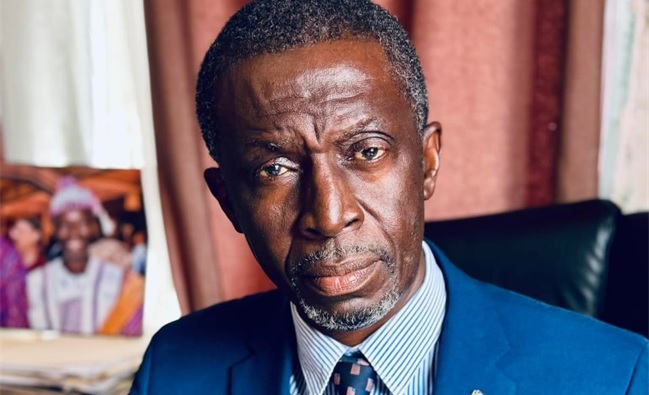
MONROVIA – Renowned Liberian lawyer and former Solicitor General Tiawan Saye Gongloe has challenged prosecutors at the Liberia Anti-Corruption Commission to prioritize preparation, evidence, and professionalism over media attention when handling corruption cases, warning that weak indictments can ultimately undermine justice.
Speaking Wednesday, May 13, during the LACC’s one-day Quarterly Review Session for Prosecutors held at the Commission’s headquarters on Old Road in Monrovia, Gongloe stressed that the success of anti-corruption prosecutions depends not on publicity campaigns but on solid legal work and credible evidence.
“The prosecutor’s greatest weapon is not publicity. It is preparation,” Gongloe declared while addressing prosecutors, investigators, and legal practitioners gathered under the theme, “Widening the Horizon for Effective Prosecution.”
Drawing from his experience as former Solicitor General and former Minister of Labor, Gongloe led discussions on “Preparing a Good Indictment, Presenting Your Evidence, and Proving Your Case.” His presentation focused heavily on the legal and ethical responsibilities prosecutors must uphold when pursuing corruption-related offenses.
He cautioned prosecutors against treating indictments like political statements or media publications, emphasizing that criminal prosecutions must be grounded strictly in law and evidence. “An indictment is not a newspaper article, political speech, press release, or social media post,” Gongloe reminded participants. “It is a formal legal accusation governed by law, evidence, and due process.”
According to Gongloe, a strong indictment must clearly explain the alleged crime, identify the violated law, describe the accused conduct, and establish when, where, and how the offense allegedly occurred. He stressed that prosecutors must also prove criminal intent instead of relying on speculation or public perception.
“In anti-corruption prosecutions, suspicion is not evidence. Media reports are not evidence. Political accusations are not evidence,” Gongloe emphasized. He urged investigators and prosecutors to focus on tracing financial transactions, protecting the chain of custody, verifying documents, and preparing witnesses capable of withstanding courtroom scrutiny.
The veteran lawyer further warned that poorly prepared indictments not only weaken prosecutions but can also embolden impunity. “A good indictment promotes justice. A bad indictment defeats justice and promotes impunity,” he stated, drawing strong attention from participants at the session.
The review session also featured remarks from Alexandra K. Zoe, who underscored the importance of continuous professional development for prosecutors as corruption cases become increasingly complex and sophisticated.
Cllr. Zoe praised the collaboration between the LACC prosecution team and the Ministry of Justice during the recent high-profile Financial Intelligence Agency (FIA) trial involving former senior government officials. While acknowledging that the Commission did not secure all the outcomes it had hoped for, she described the three guilty verdicts obtained in the case as a meaningful step toward accountability in Liberia.
“This result serves as a powerful reminder that the wheels of justice are turning and that accountability is within reach,” Zoe told participants, while encouraging prosecutors to remain committed to strengthening their technical skills and courtroom readiness.
The training also featured presentations from His Honor Ousman Feika, who spoke on effective courtroom trial techniques and case management, and Cllr. M. Wilkins Wright, who guided participants through the complex legal process surrounding appeals and procedural mistakes that can damage cases.
Beyond the presentations, the session created space for open dialogue between prosecutors and oversight commissioners on the daily realities of corruption prosecutions in Liberia. Organizers said the goal was to strengthen coordination, sharpen legal strategy, and build a more unified prosecutorial team capable of effectively confronting corruption nationwide.