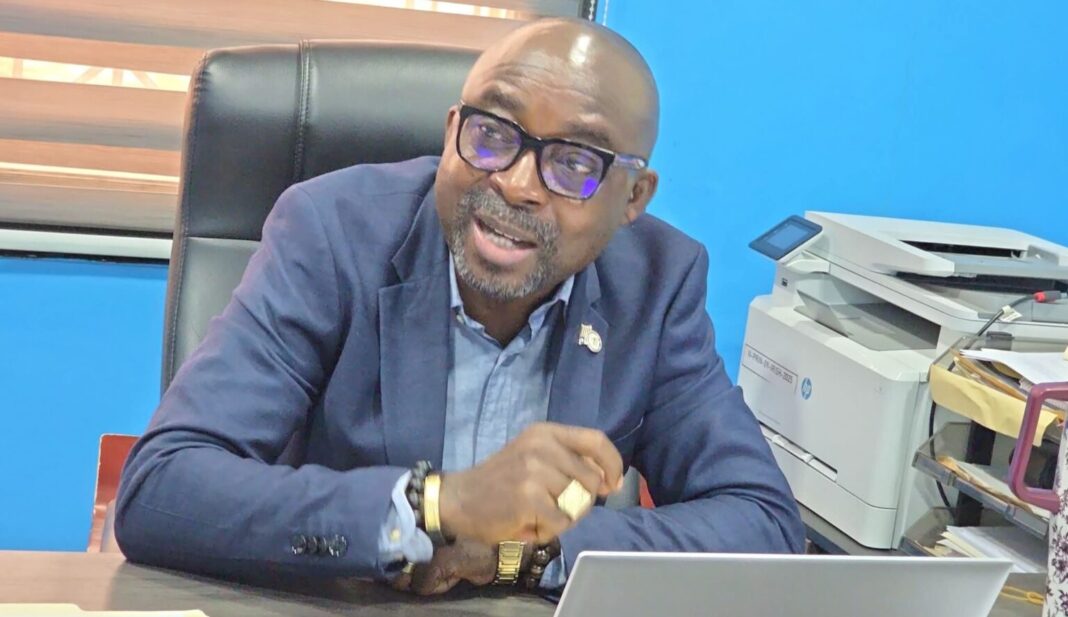
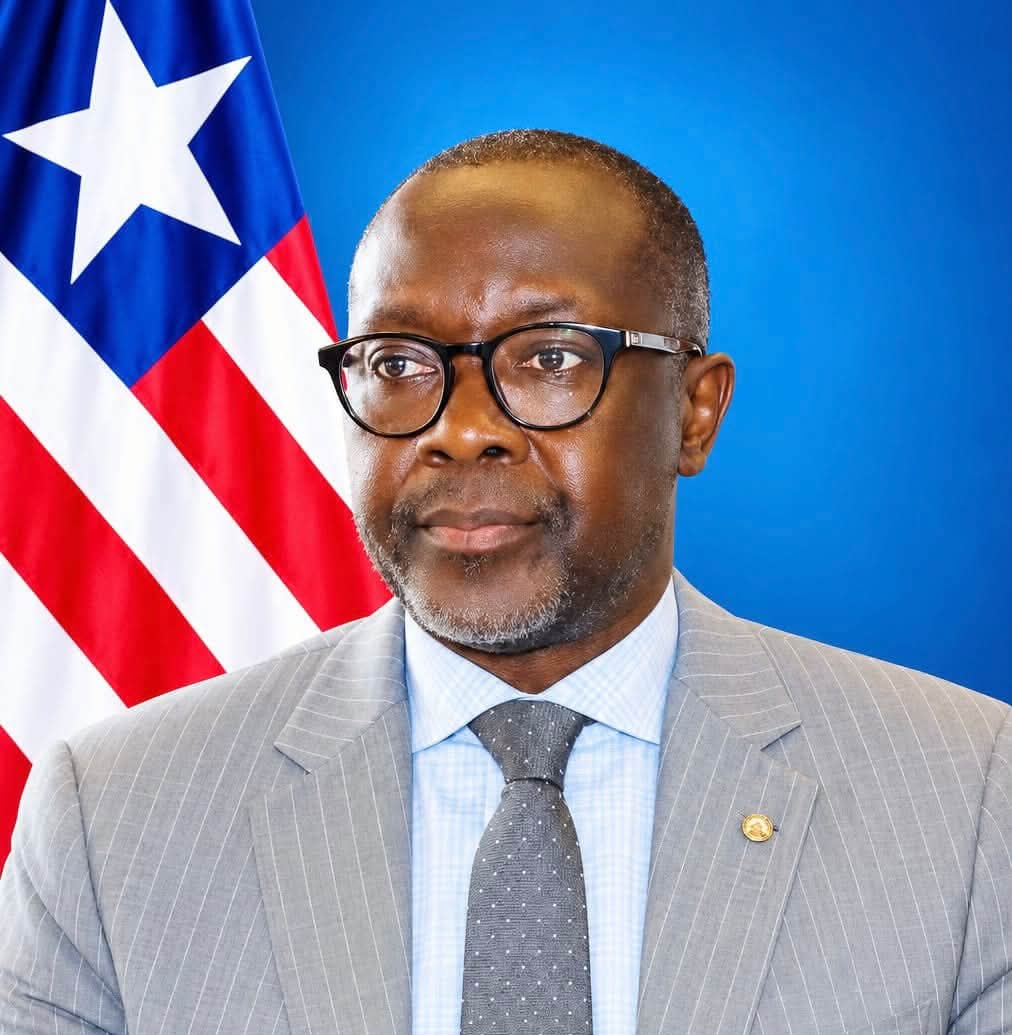
MONROVIA – Senator Amara Mohammed Konneh of Gbarpolu County has raised concerns about the revenue assumptions underpinning President Joseph Nyuma Boakai’s proposed US$1.539 billion FY2027 National Budget, warning that projected increases in import taxes and other revenue measures could place additional pressure on Liberian households and businesses.
In a detailed assessment of the 845-page draft budget released on Monday, November 16, 2026, Senator Konneh questioned whether the government’s projected revenue growth represents a genuine expansion of the country’s economic and tax base or a heavier collection burden on businesses, traders, and consumers already contributing to government revenue.
Although welcoming President Boakai’s submission of the draft budget to the Legislature, Konneh emphasized that the increase in the national budget must be examined beyond its headline figure, particularly whether the revenue projections are realistic, expenditure priorities reflect national needs, and the proposed allocations can translate into measurable improvements in the lives of ordinary Liberians.
The FY2027 draft proposes a total resource envelope of approximately US$1.539 billion, compared with an estimated US$1.303 billion in FY2026, representing an increase of approximately US$236.25 million, or 18.1 percent.
However, the senator argues that the composition of projected domestic revenue raises important questions about the government’s claim that it is broadening the tax base without increasing tax rates.
According to his assessment, tax revenue is projected to increase by US$225 million to approximately US$1.072 billion, while non-tax revenue is expected to decline by US$164 million.
Consequently, the net increase in core domestic revenue amounts to approximately US$61 million, representing growth of about 4.7 percent.
Konneh argues that nearly three-quarters of the additional tax collections would effectively compensate for declining non-tax revenue rather than represent a substantial expansion of the country’s overall domestic revenue capacity.
He is particularly concerned about the projected increase in import taxes, which are expected to rise by 49.3 percent, from US$280.8 million to US$419.4 million.
The proposed revenue figures also project a 46.4 percent increase in taxes on goods and services, alongside the introduction of Value Added Tax (VAT), mobile money fees, and fines associated with electronic receipts.
For the senator, these projections require a more detailed explanation from the Executive, particularly regarding how much of the anticipated revenue growth will come from actual economic expansion, new tax policy measures, and improved revenue administration.
He maintains that broadening the tax base should involve bringing previously untaxed economic activities into the formal revenue system rather than simply increasing collections from existing businesses and consumers.
The issue is particularly important because import duties and taxes on goods and services can affect the cost of products entering the Liberian market, with potential consequences for household spending, transportation, food prices, and the operating expenses of businesses.
Liberia remains heavily dependent on imported consumer goods and essential commodities. Consequently, any significant increase in import-related tax collections deserves careful examination of its potential effects on prices and the purchasing power of ordinary citizens.
Konneh argues that families are already experiencing economic hardship, with food, transportation, and fuel costs remaining major concerns. He therefore wants the Legislature to determine whether the proposed revenue measures could make everyday living more expensive.
He has called for what he describes as compassionate taxation, emphasizing that government revenue mobilization must be balanced with measures that allow citizens to experience tangible economic relief.
The senator’s concerns extend beyond revenue collection to the government’s overall expenditure priorities.
Although the FY2027 budget increases by approximately US$236.25 million, only US$16.44 million of that increase is directed toward additional public investment through Public Sector Investment Projects (PSIP), representing approximately seven percent of the overall increase.
According to Konneh, a substantial portion of the additional resources is instead absorbed by government grants, compensation, goods and services, and debt payments.
He estimates that approximately 79 cents of every dollar in the proposed budget would go toward running government and servicing debt, while about 21 cents would be directed toward development investment.
This expenditure composition, he argues, raises questions about whether the expansion of government spending will produce sufficient improvements in public infrastructure, healthcare, education, agriculture, and employment opportunities.
The senator also pointed to a proposed US$7.28 million increase for intelligence services, alongside increases in areas such as foreign travel, fuel, food, and catering, as expenditures that deserve closer legislative examination.
On the other hand, he wants the Legislature to scrutinize allocations to critical social sectors to ensure that additional funding reaches the institutions and workers responsible for delivering services.
The proposed Health Sector allocation increases from US$110.9 million in FY2026 to US$135.8 million in FY2027. However, Konneh argues that the increase in compensation is concentrated at the Ministry of Health in Monrovia rather than being directed toward doctors and frontline health workers at major public facilities, including John F. Kennedy Medical Center, Phebe Hospital, and Jackson F. Doe Memorial Hospital.
He also noted that spending on goods and services covering drugs, laboratory consumables, and medical supplies increases by only approximately US$1 million, while subsidies supporting certain community health clinics remain unchanged.
In education, the proposed allocation rises from US$143.6 million to US$163.5 million. The senator welcomed proposed salary increases for teachers holding Master’s degrees, bachelor’s degrees, and C-Certificates, but questioned why funding for educational materials, supplies, and stationery for the counties is projected to decline by approximately US$200,000.
The proposed salary adjustments include at least US$650 for teachers with Master’s degrees, US$400 for bachelor’s degree holders, and US$200 for C-Certificate holders. Konneh cited the example of a bachelor’s degree teacher earning US$250 monthly who would receive an additional US$150.
He also raised concerns about the absence of an increase in the compensation allocation for the Booker Washington Institute and other multilateral schools.
The senator believes that a growing national budget must be reflected in better-equipped classrooms, functioning hospitals, adequately supplied clinics, stronger agricultural production, and improved public services rather than primarily expanding the cost of government administration.
Another issue he wants addressed during legislative hearings is the appearance of a new expenditure category labeled “Unspecified” across important sectors.
The draft reportedly includes approximately US$4.5 million under this category in Health, US$1.1 million in Education, and US$1 million in Agriculture.
Konneh wants the Executive to explain the purpose of these expenditures, identify the institutions responsible for managing the funds, and provide details about the activities they are intended to finance.
The senator’s assessment also highlights the need for careful treatment of VAT refunds as Liberia transitions to the new tax system in FY2027.
He argues that VAT refunds arise from the operation of the tax system when eligible taxpayers recover excess input VAT and should therefore be properly reflected within the government’s fiscal framework.
The Legislature, he says, must determine whether VAT refunds are being treated in a manner that accurately reflects net VAT revenue rather than artificially increasing reported government expenditure.
Konneh disclosed that the Senate Plenary voted on Tuesday to include the Committee on Public Accounts and Audits in the budget review process alongside the Committee on Ways and Means and Finance.
He said members of the Public Accounts and Audits Committee would use the opportunity to present a detailed examination of the revenue and expenditure components of the proposed budget.
While expressing support for the successful implementation of the FY2027 budget, the senator emphasized that its success should not be determined by the size of the financial envelope alone.
He wants the Legislature to establish whether the proposed revenue measures are sustainable, whether taxpayers can bear the projected increases, and whether government spending will produce measurable improvements in national living conditions.
The budget hearings are therefore expected to provide an important opportunity for lawmakers to demand explanations from the Executive before the proposed financial plan is approved.