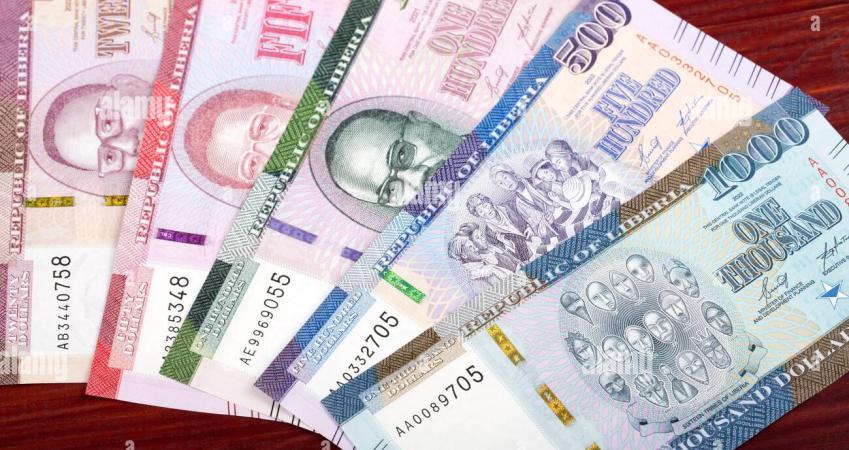
MONROVIA, LIBERIA – Liberia’s national currency, the Liberian dollar, has recorded an encouraging performance on the African foreign exchange market, emerging as the continent’s best-performing currency in September 2026, according to a report published by Nairametrics on October 16, 2026.
The development offers a positive signal for Liberia’s monetary stability amid persistent concerns about the cost of living, foreign exchange availability, and the purchasing power of ordinary citizens.
According to the report, the Liberian dollar appreciated by 2.39 percent against the United States dollar in September, strengthening from approximately L$176.637 per US$1 at the end of August to L$172.424 per US$1 at the end of September.
By October 31, 2026, the exchange rate stood at approximately L$170.44 per US$1, according to available exchange-rate data.
The performance represents an improvement in the Liberian dollar’s exchange value and provides an opportunity for the Central Bank of Liberia to consolidate monetary stability.
BEST-PERFORMING DOES NOT MEAN AFRICA’S STRONGEST
Despite its impressive monthly performance, Liberia’s currency is not among Africa’s ten highest-valued currencies when measured against the US dollar.
Currencies such as the Tunisian dinar, Libyan dinar, Moroccan dirham, Ghanaian cedi, and Botswana pula command higher nominal exchange values.
This distinction is important: Liberia’s achievement concerns the rate at which its currency appreciated during September, not its overall position among Africa’s highest-valued currencies.
WILL LIBERIANS FEEL THE BENEFITS?
The bigger question is whether the improved exchange rate will translate into lower prices for imported food, fuel, transportation, construction materials, and other essential commodities.
A stronger Liberian dollar could reduce the local-currency cost of imports, provided businesses pass those savings on to consumers.
However, exchange-rate appreciation alone cannot solve Liberia’s economic problems. The country still needs stronger domestic production, increased exports, adequate foreign reserves, and improved investor confidence.
The Central Bank must also maintain transparency regarding foreign exchange interventions and the factors responsible for the currency’s recent appreciation.
THE CHALLENGE AHEAD
For Liberia, the real test is whether the recent improvement can be sustained throughout 2027.
The government and the Central Bank should ensure that currency stability is accompanied by improved purchasing power, employment opportunities, business expansion, and responsible management of monetary policy.
Liberians deserve an economy in which a stronger currency is reflected not only in exchange-rate statistics but also in the prices they pay in markets and businesses.
For now, Liberia has recorded an encouraging achievement on the African currency market. The challenge is to turn that performance into lasting economic relief for ordinary citizens.