By Staff Writer | Smart News Liberia
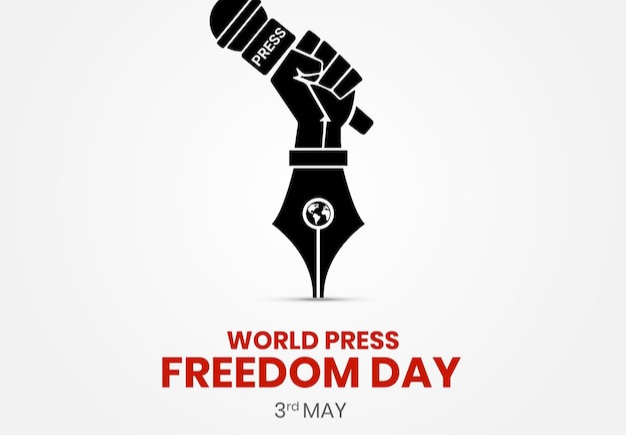
World Press Freedom Day, observed annually on May 3, has once again drawn global attention to the essential role of a free, independent, and safe press in democratic governance. The day serves as both a celebration of media freedom and a reminder of the persistent threats journalists face worldwide. In Liberia, however, media stakeholders say the reality of press freedom remains mixed, with progress overshadowed by recurring concerns over political pressure, intimidation, and limited institutional protection for journalists.
In Liberia, press freedom is guaranteed under the 1986 Constitution, and successive governments have publicly committed to respecting media independence. Yet, journalists and media watchdogs continue to raise concerns about subtle and direct pressures that affect reporting. The Center for Transparency and Accountability in Liberia (CENTAL) and other civil society organizations have frequently warned that political interference, self-censorship, and occasional harassment undermine the ability of journalists to operate freely and safely.
Media practitioners in Liberia also point to economic challenges as a major constraint on press independence. Many media institutions struggle with sustainability, relying heavily on advertising revenue and political patronage, which can influence editorial direction. Journalists often work under difficult conditions with limited resources, low pay, and inadequate protection, raising concerns about vulnerability to influence and compromise.
Despite these challenges, Liberia’s media landscape remains one of the most vibrant in West Africa, with numerous radio stations, newspapers, and online platforms contributing to public discourse. Journalists continue to play a critical role in holding government accountable, exposing corruption, and informing citizens, even in the face of adversity.
Globally, World Press Freedom Day 2026 is being observed against a backdrop of increasing threats to journalists in several regions. According to international media freedom organizations, press suppression is rising in parts of the world where democratic space is shrinking. In some countries, journalists face imprisonment, forced exile, censorship, and even physical attacks for reporting on governance, corruption, and human rights issues.
In conflict zones, the situation is even more dangerous. Reporters covering wars and political instability continue to face targeted killings and abductions, making journalism one of the most high-risk professions globally. Digital surveillance and online harassment have also become growing threats, particularly for investigative journalists and women in media.
The United Nations and UNESCO have repeatedly emphasized that press freedom is not only a media issue but a cornerstone of democracy and sustainable development. Without access to accurate information, citizens are unable to make informed decisions, and governments operate with reduced accountability.
In Liberia’s context, stakeholders argue that strengthening press freedom requires more than constitutional guarantees. It demands political will, legal protection for journalists, improved working conditions, and stronger enforcement of laws that protect media practitioners from abuse and intimidation.
Civil society voices in Liberia are also calling for greater professionalism within the media sector itself, emphasizing ethical reporting, fact-based journalism, and resistance to political manipulation. They argue that a responsible and independent press is essential to building public trust and national development.
As Liberia joins the rest of the world in observing World Press Freedom Day, the message remains clear that while progress has been made, significant work still lies ahead. Ensuring a truly free press in Liberia and across the globe requires sustained commitment from governments, media institutions, and citizens alike to protect the truth, defend journalists, and uphold the public’s right to know.