By Staff Writer | Smart News Liberia
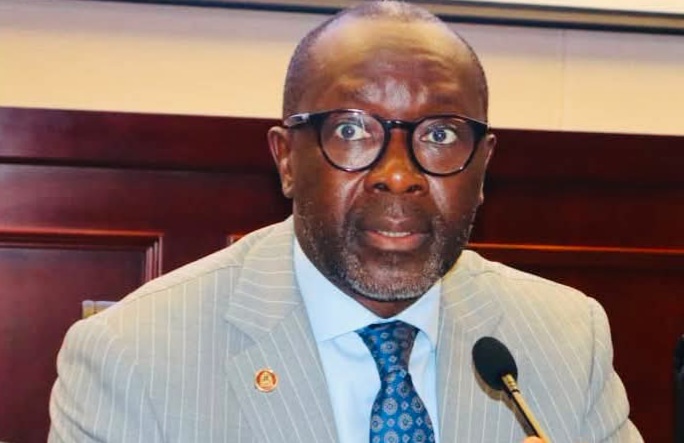
MONROVIA – The Liberia National Police has formally demanded that Gbarpolu County Senator Amara Konneh produce evidence to substantiate a series of serious allegations he made about the handling of Liberia’s ongoing cocaine investigation, escalating a growing public dispute over accountability within the country’s security sector.
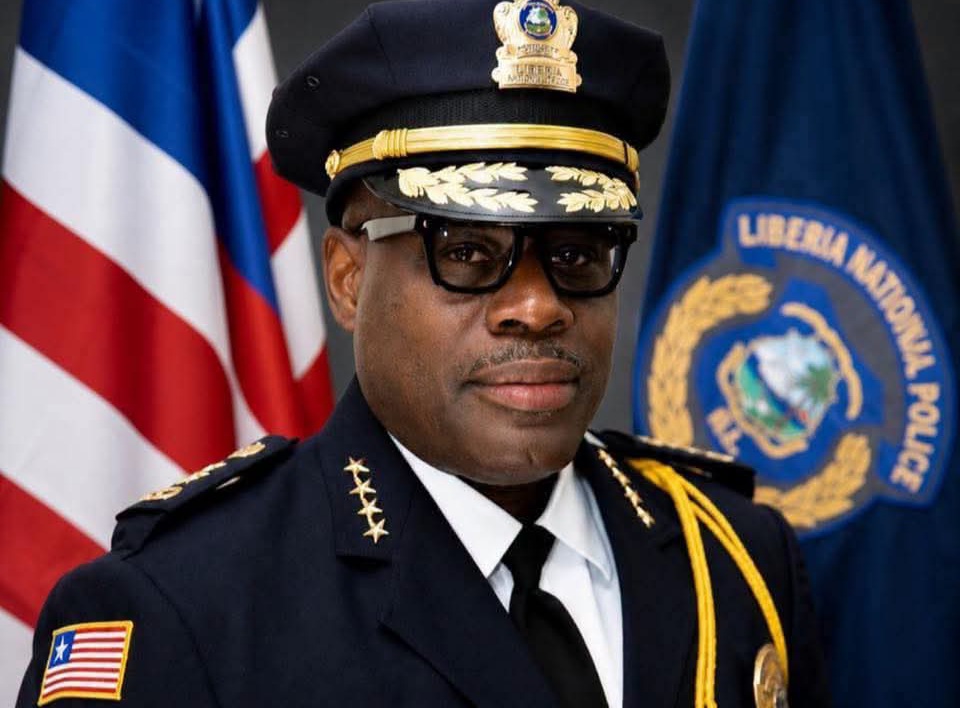
In a letter dated August 17, 2026, Inspector General of Police Gregory O. W. Coleman, who also heads the Joint National Security Investigative Team, asked Konneh to provide evidence supporting his public statement titled “The Danger of Silence in the Cocaine Investigation.”
The police acknowledged Konneh’s right as a senator and citizen to criticize public institutions and exercise legislative oversight but said such responsibility carries a heightened duty of accuracy, particularly when comments concern an active transnational narcotics investigation involving national security and organized crime.
The Joint National Security Investigative Team said Konneh’s statements contain allegations that senior security officials are being protected from criminal accountability, junior officers are being scapegoated, security institutions are compromised, and government officials may be supervising investigations involving institutions in which they could themselves be implicated.
The police also pointed to Konneh’s suggestion that the government may be protecting a cartel network.
“These allegations go far beyond political criticism,” the investigative team said, arguing that they suggest possible criminal complicity, obstruction of justice, abuse of authority and protection of a transnational drug-trafficking organization.
The police said that because the allegations came from a sitting senator, the public could reasonably assume that Konneh possesses privileged information, official briefings, witness accounts or documentary evidence supporting his claims.
Police Demand Names, Documents and Other Evidence
The Joint National Security Investigative Team has asked Konneh to submit the names and positions of senior officials he believes are compromised or being protected, as well as the identities of what he described as the “true architects” of the narcotics operation.
The police also requested documents, correspondence, recordings, financial information, photographs, electronic communications and other materials that could substantiate his allegations.
Konneh was further asked to provide the identities of witnesses or confidential sources with firsthand knowledge of the allegations and any information concerning alleged interference with, obstruction of or manipulation of the cocaine investigation.
The investigative team said the information could be submitted confidentially to the appropriate investigative or prosecutorial authority or through a formally constituted committee of the Liberian Senate.
It also said any concerns about the safety of witnesses or the protection of sensitive information could be addressed through secure and lawful procedures.
Police Warn Against Public Allegations
The police letter also cautioned Konneh against making further public statements that could prejudice the ongoing investigation.
According to the Joint National Security Investigative Team, publicly declaring individuals or institutions guilty before evidence has been properly examined could compromise investigative strategies, alert suspects, facilitate the concealment or destruction of evidence, influence witnesses and expose investigators and informants to danger.
The team further warned that such statements could undermine prosecutorial and judicial proceedings and damage the reputations of people who have not been charged.
“Accountability cannot be achieved by substituting public accusations for evidence,” the police said. “Nor can due process be discarded merely because an allegation is politically compelling or publicly popular.”
However, the police stressed that the letter was not intended to suppress legitimate criticism, restrict Konneh’s senatorial privilege or interfere with legislative oversight.
Instead, the investigators said they welcome credible information, responsible scrutiny and lawful oversight, provided such actions support rather than compromise the search for truth.
Konneh’s Claims Under Spotlight
Konneh has been increasingly vocal about the government’s handling of the cocaine investigation, arguing that accountability must extend beyond junior security personnel.
In his earlier statement, the senator accused the security sector of applying what he described as a double standard, where junior officers are punished while senior officials allegedly remain protected.
He also questioned whether security institutions could independently investigate allegations involving their own leadership and called for an independent and transparent investigation.
Konneh has cited allegations involving security officials, including claims of payments and other interactions with individuals allegedly linked to drug trafficking. He has also raised questions about the alleged supply of Starlink equipment to the Liberia National Police by persons linked to a suspected cartel.
Those allegations have not been established in court, and the police response now places greater emphasis on whether Konneh can provide evidence to support them.
‘The Country Requires You to Produce It’
In one of the strongest portions of the letter, the Joint National Security Investigative Team directly challenged the senator to substantiate his allegations.
“If you possess evidence, the country requires you to produce it,” Coleman wrote.
The police said that if Konneh knows the identities of the alleged “true architects” of the narcotics operation, he should identify them through the appropriate channels.
“If you have evidence that any official is protecting a cartel, no rank, title, friendship, or political connection will place that person beyond investigation,” the letter stated.
Conversely, the investigators warned that if the allegations are not supported by evidence, public office should not be used to present suspicion, political inference or conjecture as established fact.
The police argued that unsupported allegations could harm innocent people, mislead the public and obstruct the accountability process Konneh is seeking.
Cocaine Investigation Faces Growing Scrutiny
The confrontation comes as Liberia’s cocaine investigation continues to command national attention following major drug seizures and disciplinary actions involving security personnel.
The controversy has increasingly expanded beyond the seized narcotics to questions about possible internal complicity, command responsibility and whether senior officials will face the same level of scrutiny as lower-ranking officers.
Konneh has argued that removing or suspending officials is insufficient if those implicated are not brought before a court to answer questions about their alleged roles.
The police, meanwhile, insist that the investigation must remain evidence-driven and protected from political pressure and public speculation.
The Joint National Security Investigative Team said every credible lead would be pursued and every relevant person examined without fear or favor.
It also maintained that prosecutorial decisions will be based on admissible evidence and the law rather than political pressure, media narratives, personal relationships or public speculation.
“The nation deserves facts. The investigation requires evidence. Your office demands responsibility,” Coleman concluded.
The letter was copied to Vice President Jeremiah K. Koung, the Senate Pro-Tempore, the Chairperson of the Senate Committee on National Defense, Security, Intelligence and Veterans Affairs, and the Minister of Justice and Attorney General.