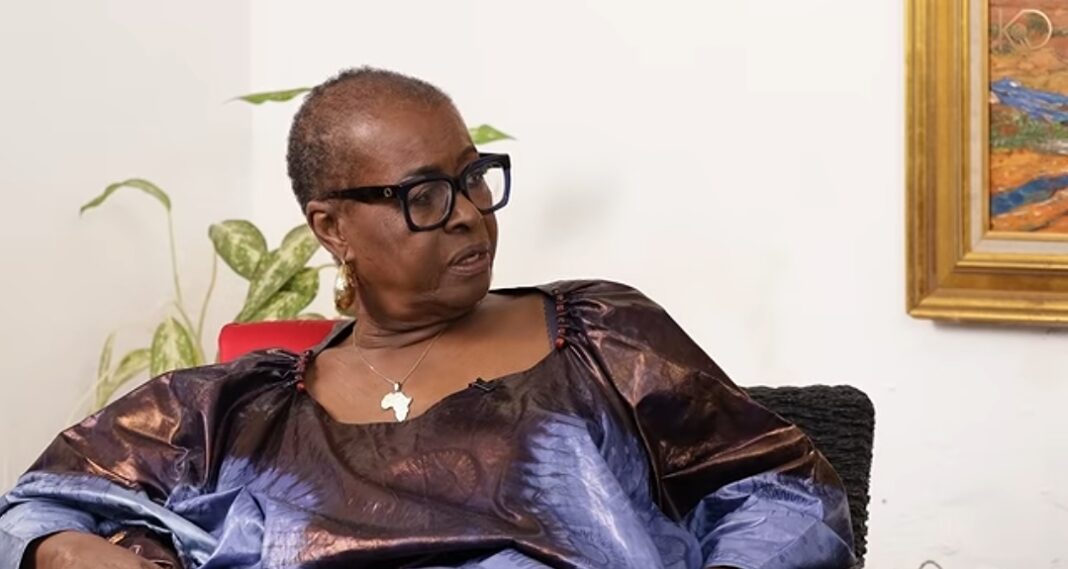
MONROVIA – Comments by veteran Liberian musician and public figure Miatta Fahnbulleh about former President George Manneh Weah have sparked a heated political debate, with some critics accusing her of expressing views they describe as elitist and dismissive of the democratic choices made by ordinary Liberians.
Fahnbulleh made the remarks during an interview on Monday, July 27, 2026, with Ghanaian journalist Kafui Dey. The interview has since generated widespread reactions on social media and among political commentators, with some defending her position while others strongly criticizing her remarks.
The controversy intensified after several commentators and political figures publicly challenged Fahnbulleh’s remarks, arguing that her views reflected what they described as Liberia’s long-standing class divisions and attitudes toward social mobility.
Isaac Doe, in a strongly worded reaction, accused Fahnbulleh of representing an “old order” mindset that allegedly undermines equal opportunity and the ability of ordinary Liberians to compete for national leadership and opportunities.
“This is exactly everything that is wrong with Liberia,” Doe wrote, arguing that the country continues to struggle with a class system where some citizens believe certain positions and opportunities belong only to a privileged few.
Doe specifically criticized Fahnbulleh’s comments about former President Weah, accusing her of speaking in a manner he considered demeaning toward someone who rose from a disadvantaged background to become Liberia’s president.
He also referenced unresolved questions surrounding Liberia’s inauguration funds under the administration of former President Ellen Johnson Sirleaf, alleging that Fahnbulleh has not accounted for more than US$600,000. Those claims have not been established by any official finding cited in the discussion.
“People like Miatta believe that once your parents are poor, you should not have access to the same schools, opportunities, or even the same tables as the so-called privileged,” Doe wrote.
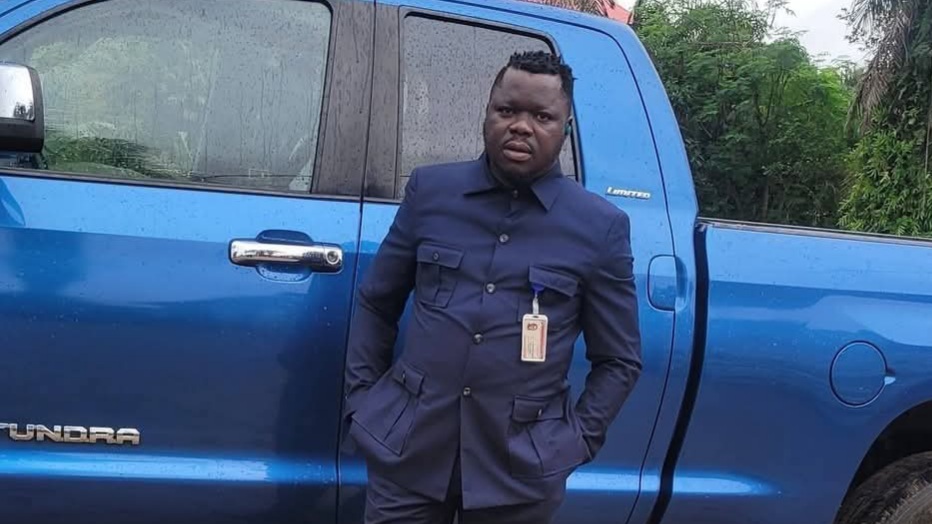
Meanwhile, Representative Musa Bility also criticized Fahnbulleh’s comments, saying they reflected a disconnect from ordinary Liberians who participated in the democratic process that led to Weah’s election.
Bility argued that Fahnbulleh’s criticism appeared to challenge the choice made by voters, suggesting that democracy requires respecting the decisions of citizens even when those choices are unpopular with some groups.
“It shows her disdain for the ordinary people who made their decision,” Bility wrote, while also accusing her of blaming former President Sirleaf for political outcomes that resulted from the choices of Liberian voters.
Another commentator, Keff Hassan, shared a personal account alleging that Fahnbulleh’s criticism of Weah was connected to a past disagreement between the two.
Hassan claimed that Fahnbulleh once sought a meeting with Weah during his football career and that an interaction between them allegedly contributed to resentment. The claim has not been independently verified.
Wade Williams also joined the criticism, recalling an incident from the Sirleaf administration era when Fahnbulleh was reportedly booed during a gathering at the Capitol Building by opposition supporters. Williams described her as a strong supporter of the former Sirleaf administration at the time.
However, not all reactions were critical.
Deputy Information Minister Daniel O. Sando defended Fahnbulleh’s remarks, stating that she “spoke well” and expressing agreement with her position.
Sando’s comments added another dimension to the debate, highlighting the broader political divisions surrounding discussions about leadership, competence, social background, and Liberia’s democratic journey.
The controversy comes as Liberia continues to grapple with questions about political identity, class inequality, and whether leadership opportunities are equally accessible to citizens from different social and economic backgrounds.
For supporters of Fahnbulleh, criticism of political leaders remains part of democratic debate and should not be interpreted as hostility toward ordinary citizens. However, her critics argue that public figures must be careful not to reinforce perceptions that leadership belongs only to certain social classes.
The debate surrounding her comments has now become larger than the criticism of one former president. It has reopened a national conversation about privilege, merit, representation, and the role of social background in determining who gets to lead Liberia.