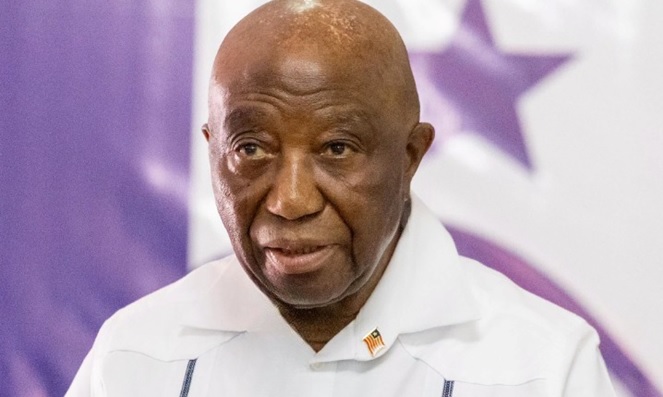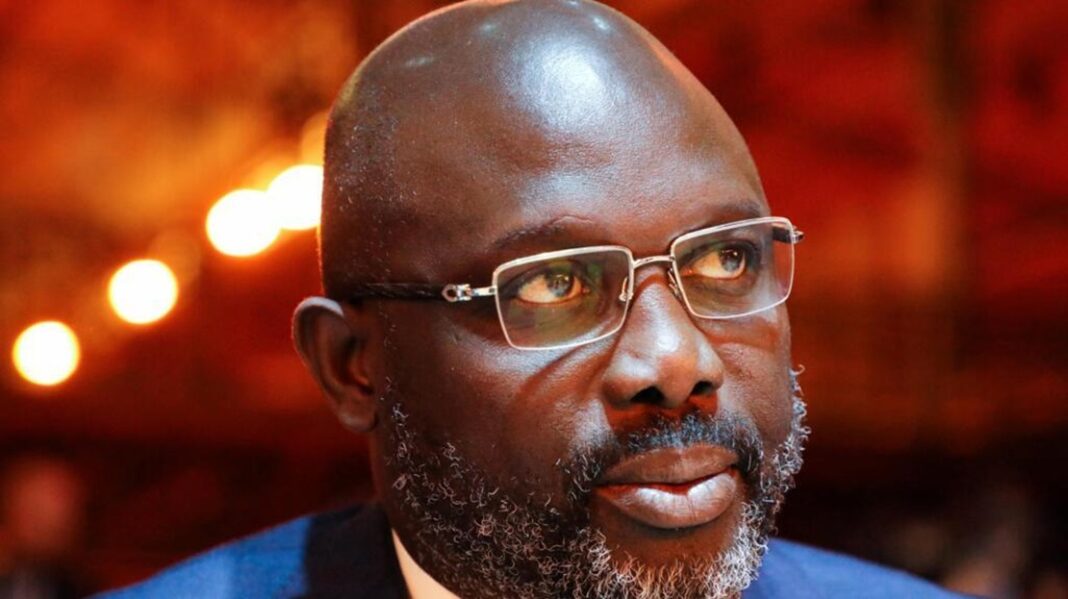

The dedication of a three-bedroom house for a presidential supporter raises questions about equal treatment, public priorities and whether housing assistance is becoming a matter of political connection.
A SMART NEWS REPORT
MONROVIA, LIBERIA – The dedication of a newly constructed three-bedroom house for Madam Nowai Gbotolo, popularly known as “Boakai Da Baby,” has sparked a broader debate about President Joseph Nyuma Boakai’s approach to helping poor and vulnerable Liberians.
President Boakai reportedly attended the dedication of the house, which has been described in public commentary as a gesture to a loyal supporter. While providing shelter to someone in need is a commendable humanitarian act, the circumstances surrounding the project raise an important national question: Is the President using his position to advance a broader housing agenda for struggling Liberians, or are such benefits increasingly being delivered through personal and political connections?
The concern becomes more significant when the initiative is compared with the housing programme introduced by Boakai’s predecessor, former President George Manneh Weah.
WEAH INTRODUCED A NATIONAL PRO-POOR HOUSING PROGRAMME
In June 2018, President Weah launched an US$8 million Special Presidential Pro-Poor Housing Unit Project, implemented through the Liberia Agency for Community Empowerment (LACE).
According to the Executive Mansion, the programme initially targeted 568 housing units across Liberia’s 15 political subdivisions, with the stated objective of providing decent homes for disadvantaged rural residents.
The initiative was presented as a nationwide intervention for people living in makeshift structures and traditional huts. “Executive Mansion: Weah launches US$8 million housing project”.
In October 2020, Weah’s administration also announced plans for 200 additional housing units in Nimba and Bong Counties at a projected cost of US$3 million.
Weah’s housing initiative was presented as a national programme targeting disadvantaged citizens rather than a single household.
BOAKAI’S THREE-BEDROOM HOUSE RAISES A DIFFERENT QUESTION
The recent house for Madam Gbotolo presents a different public-interest issue.
The question is not whether she deserves a decent home. Every struggling Liberian deserves access to safe and decent housing, regardless of political affiliation.
The concern is whether other poor Liberians will receive similar attention, particularly those who did not campaign for Boakai, defend his administration or demonstrate loyalty to the Unity Party.
Liberia is filled with struggling mothers, elderly citizens, unemployed young people and families living in leaking zinc houses and overcrowded communities. Many cannot afford land, building materials or even monthly rent.
What happens to these people?
Will the President extend similar assistance to poor citizens who are not politically connected? Will there be a transparent national housing programme, with clear eligibility requirements and beneficiaries selected according to need?
Or will assistance remain dependent on presidential goodwill and personal relationships?
These questions deserve answers.
WHO PAID FOR THE HOUSE?
Another important issue concerns the financing of the three-bedroom house.
Was it constructed with President Boakai’s personal resources, private donations, contributions from supporters, or public funds?
Smart News has not independently established the source of financing. The government should therefore clarify the arrangement so that the public does not have to speculate about whether state resources were used.
If public money was involved, the administration should disclose the budgetary authority, procurement process and criteria used to select the beneficiary.
If the house was privately financed, that should also be made clear.
Transparency is necessary because the President’s participation in a dedication ceremony inevitably raises questions about the relationship between the gift and the office he occupies.
THE PRESIDENCY BELONGS TO ALL LIBERIANS
President Boakai is the President of the Republic of Liberia, not merely the leader of the Unity Party or a political movement.
Those who voted against him remain citizens entitled to equal consideration under the law and in the delivery of public services. Political loyalty should not determine who receives government assistance.
The same principle applies to former President Weah’s housing programme: its announced national objectives should be judged by actual delivery, not simply by political speeches or the number of houses promised.
Liberia needs a housing policy that can reach thousands of vulnerable households, not isolated interventions that leave the wider housing crisis untouched.
A transparent programme should identify eligible beneficiaries, publish selection criteria, disclose funding and report how many homes have actually been completed and occupied.
A HOUSE FOR ONE PERSON MUST NOT REPLACE A HOUSING POLICY FOR THE NATION
There is nothing wrong with a President helping an individual. But humanitarian gestures cannot substitute for a national development programme.
If the Boakai administration can facilitate the construction of a three-bedroom house for one person, it should also explain what broader plans it has for Liberians who cannot afford decent housing.
The President should demonstrate that his concern for the poor extends beyond people within his political circle.
A struggling Liberian should not have to become a presidential loyalist before receiving a helping hand.
Smart News calls on the Executive Mansion, the Ministry of Public Works and the relevant housing institutions to clarify the financing of Madam Gbotolo’s house and provide an update on the government’s national affordable and social housing plans.
Liberians need more than individual acts of generosity. They need a system that gives ordinary citizens a fair opportunity to live with dignity, regardless of whom they supported at the ballot box.