By Our Reporter | Smart News Liberia
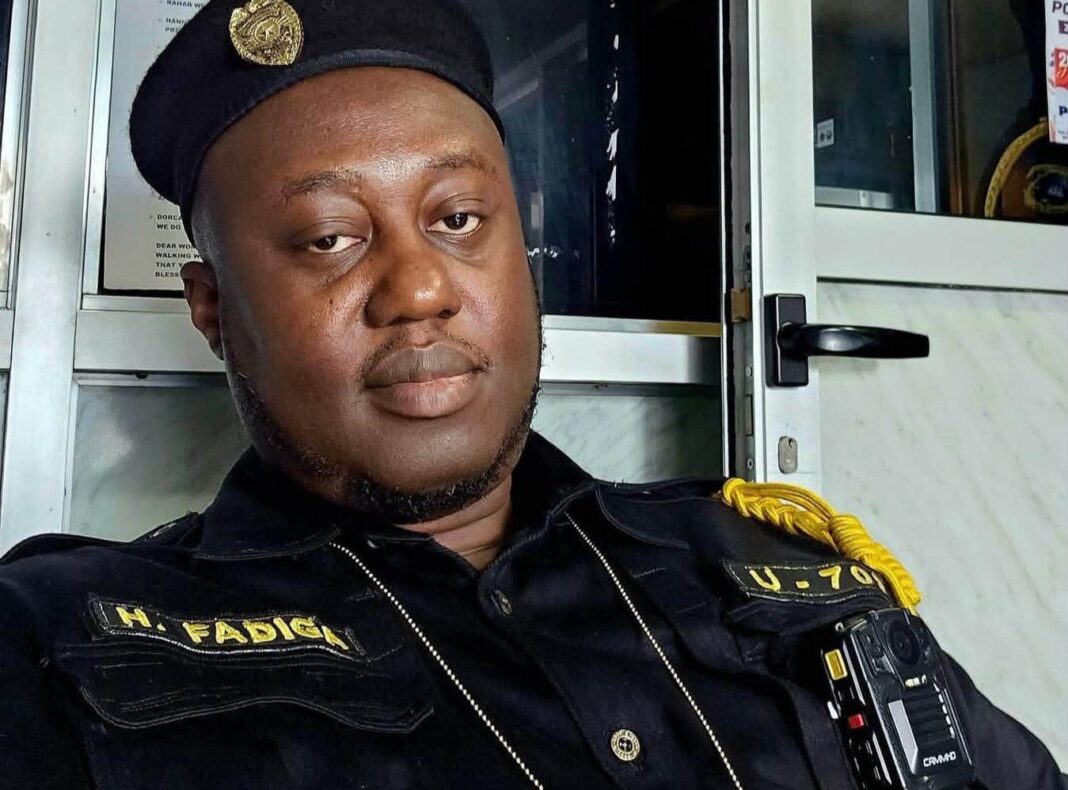
MONROVIA – As public pressure intensifies over the Liberia Drug Enforcement Agency’s refusal to disclose the identities of individuals connected to the recent US$19.2 million cocaine seizure at Roberts International Airport (RIA), former LDEA Deputy Director for Operations Hassan Fadiga has come to the agency’s defense, arguing that critics are demanding the wrong information at a critical stage of the investigation.
The massive drug interception, one of the largest in Liberia’s history, has triggered widespread public debate and calls for transparency, with activists, opposition figures, and civil society organizations demanding that authorities reveal the identities of those arrested or under investigation.
However, Fadiga believes such demands, while understandable, risk undermining the very investigation many Liberians want to see succeed.
“If you trust my judgment on law enforcement matters, please hear me out,” Fadiga stated, acknowledging the public’s concern over the discovery of a significant quantity of narcotics at Liberia’s only international airport.
“Members of the public have every right to be concerned about the discovery of a large quantity of drugs at Liberia’s only international airport. That concern is legitimate. Any drug seizure at Roberts International Airport should raise serious national security, law enforcement, and public safety questions,” he said.
Fadiga nevertheless argued that the current focus on the immediate release of names is misplaced and fails to recognize the realities of complex criminal investigations, particularly those involving suspected international drug trafficking networks.
According to him, law enforcement agencies around the world routinely withhold the identities of suspects, witnesses, persons of interest, and cooperating individuals during the early stages of major investigations to protect the integrity of the case.
“The criticism directed at the Liberia Drug Enforcement Agency for not immediately releasing the identities of individuals currently detained in connection with the recent drug seizure at Roberts International Airport is misplaced,” Fadiga asserted.
He explained that investigators and prosecutors must first determine whether the disclosure of sensitive information could compromise ongoing efforts to identify additional suspects, gather evidence, and build prosecutable cases.
“Frankly, in active criminal investigations, especially those involving suspected transnational drug trafficking, it is standard and responsible law enforcement practice to withhold the names of suspects, persons of interest, witnesses, cooperating individuals, and other sensitive details until investigators have completed critical stages of the inquiry,” he said.
Fadiga warned that premature disclosure could have serious consequences, including alerting potential accomplices, influencing witness testimony, exposing confidential sources, and jeopardizing future prosecutions.
“Prematurely releasing names or sensitive information can jeopardize investigative leads, alert other suspects, influence witness statements, compromise evidence collection, expose cooperating sources, and weaken a future prosecution,” he noted.
His comments come at a time when criticism of the government’s handling of the investigation continues to grow, particularly as authorities remain tight-lipped about the identities of individuals allegedly linked to the shipment.
Several civil society groups have argued that transparency is necessary to assure the public that politically connected or influential individuals are not being shielded from scrutiny. But Fadiga contends that effective law enforcement cannot be dictated by public pressure, social media campaigns, or demands for instant disclosure.
“A serious drug investigation is not handled through public pressure or social media demands. It must be handled carefully, professionally, and in accordance with due process,” he emphasized.
The former LDEA operations chief further cautioned against equating investigative confidentiality with a lack of transparency. According to him, withholding certain information during an active criminal investigation is often necessary to ensure that those responsible are properly identified, investigated, charged, and prosecuted.
“Withholding certain information during an active investigation is not the same as hiding the truth. It is often necessary to protect the integrity of the case and ensure that those responsible are properly identified, investigated, charged, and prosecuted,” Fadiga explained.
While declining to discuss the specific merits of the ongoing case, citing the active nature of the investigation, Fadiga insisted that accountability must ultimately be delivered and that the public deserves clear answers once investigators have completed their work.
“Since there is an active investigation underway, I will not speak on the merits of this specific case at this time. That would be irresponsible,” he said. “But rest assured that we will not remain silent. The public deserves answers. The public deserves accountability.”
At the same time, Fadiga suggested that the most important questions have yet to be fully addressed. Rather than focusing exclusively on the identities of those detained, he argued that attention should also be directed toward understanding how such a significant quantity of cocaine was able to enter or transit through Liberia’s principal international gateway.
“The public deserves to know how such a large quantity of drugs could enter or pass through Liberia’s lone international airport,” Fadiga stated. “The right questions must be asked, and at the right time, the right answers must be demanded.”
His intervention introduces a contrasting perspective into a rapidly expanding national debate, as pressure mounts on the Boakai administration and law enforcement authorities to demonstrate both transparency and effectiveness in what is becoming one of Liberia’s most consequential narcotics investigations in recent years.