
By Our Reporter | Smart News Liberia
MONROVIA – The National Youth Movement for Transparent Elections in Liberia (NAYMOTE-Liberia) has responded to an official invitation from the House of Representatives seeking clarification on its recently released Legislative Constituency Assessment Report, describing the engagement as a constructive step toward strengthening democratic accountability and institutional dialogue.
The invitation, issued through the Office of the Chief Clerk of the House of Representatives, requests detailed clarification from NAYMOTE regarding the methodology, assessment criteria, verification processes, and dissemination procedures used in compiling the report, which has generated public attention since its release.
In its response, NAYMOTE emphasized that its findings were not intended to undermine or discredit lawmakers or the Legislature as an institution, but rather to enhance transparency, promote evidence-based governance, and strengthen citizen participation in democratic processes.
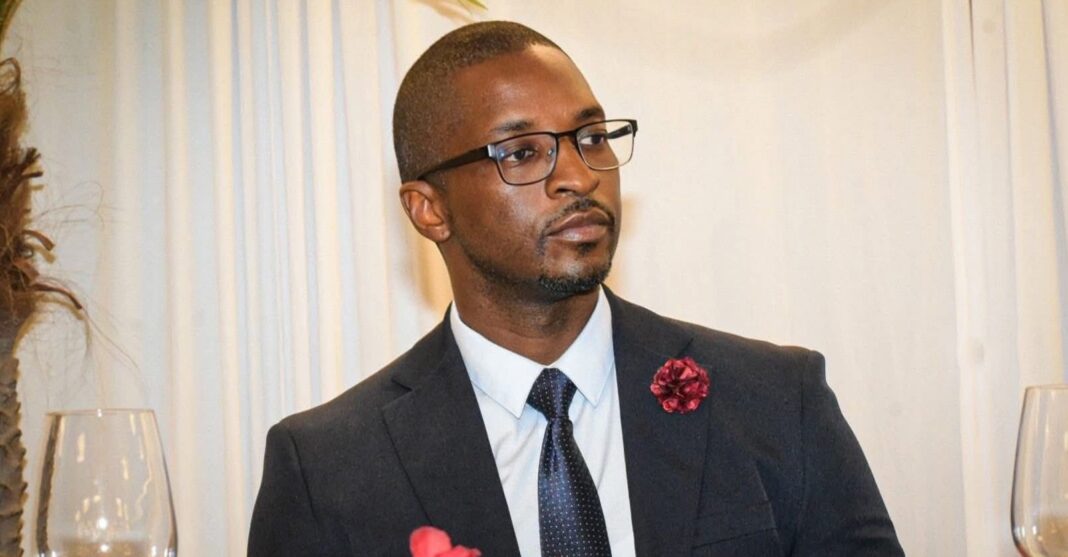
NAYMOTE-Liberia Executive Director Eddie Jarwolo on Monday, June 15, 2026, welcomed the engagement, describing it as a positive development in Liberia’s evolving democratic culture.
“We welcome this invitation as an important opportunity for constructive democratic dialogue between civil society and the Honourable House of Representatives of the Republic of Liberia,” Jarwolo stated. “Our intention has never been to discredit the Legislature or any individual lawmaker, but to promote transparency, strengthen citizen engagement, encourage evidence-based accountability, and contribute to improved democratic governance.”
Jarwolo further indicated that NAYMOTE has formally responded to the House and is prepared to fully cooperate with the requested clarification process, underscoring the organization’s openness to scrutiny and institutional dialogue.
The engagement comes amid heightened public interest in the role of civil society organizations in assessing governance performance, particularly as Liberia continues to deepen its democratic consolidation and accountability frameworks.
NAYMOTE noted that it views the interaction as a normal and healthy democratic process between an independent civil society institution and an elected national body, stressing that such exchanges are essential for strengthening trust between citizens and state institutions.
The organization also underscored the importance of maintaining an open civic space, warning that the independence of civil society must be preserved to ensure meaningful public participation in governance oversight.
“At this stage, we consider this engagement a normal and healthy democratic process between civil society and the House of Representatives,” Jarwolo noted. “However, given the broader importance of civic space, democratic freedoms, and the independence of civil society organizations, we will continue to keep citizens informed should this engagement evolve into issues affecting the ability of independent organizations to contribute meaningfully to public discourse and democratic development.”
NAYMOTE reaffirmed its commitment to working within the framework of democratic principles, emphasizing professionalism, transparency, and evidence-based advocacy as guiding pillars of its work.
Jarwolo stressed that the organization remains firmly committed to Liberia’s democratic consolidation, adding that constructive engagement between institutions is critical to strengthening governance outcomes.
“NAYMOTE remains fully committed to Liberia’s democratic consolidation and will continue to uphold the highest standards of transparency, professionalism, integrity, evidence-based advocacy, and constructive partnership with all democratic actors,” he said.
The organization also highlighted that accountability should not be viewed as adversarial but rather as a shared national responsibility aimed at improving governance outcomes and public trust.
According to NAYMOTE, stronger democratic systems are built not through confrontation but through continuous dialogue, institutional accountability, and active citizen engagement in governance processes.
“A stronger democracy is built through dialogue, accountability, and the active participation of citizens,” the organization noted in its statement.