By Our Reporter | Smart News Liberia
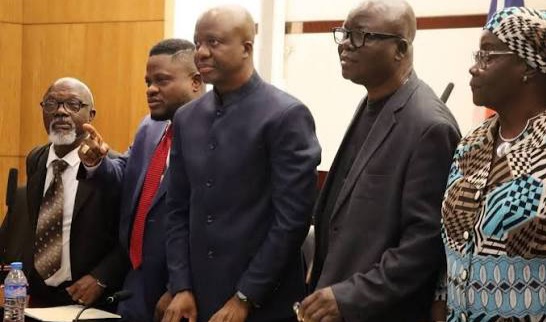
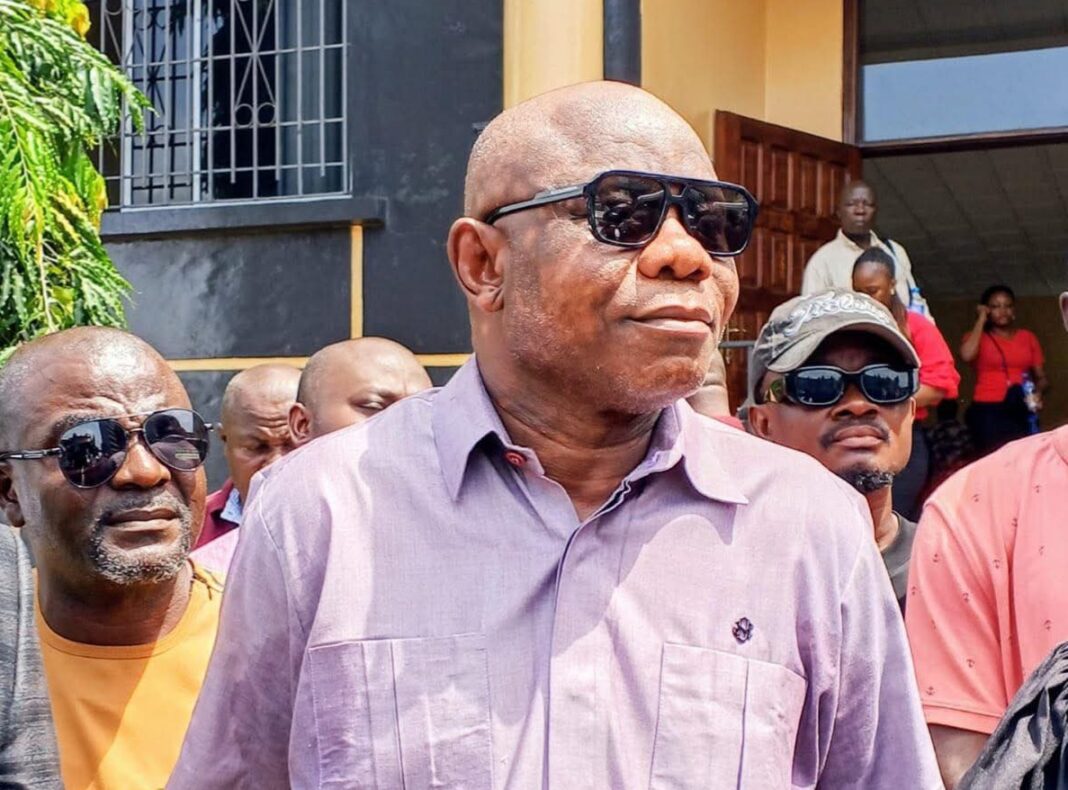
MONROVIA, LIBERIA — Criminal Court “C” Judge Ousman F. Feika has overturned the acquittal of former Finance and Development Planning Minister Samuel D. Tweah Jr. and his co-defendants, ordering a new trial after finding that jury misconduct compromised the integrity of the previous proceedings.
The ruling, delivered on Tuesday, July 21, 2026, declared the earlier trial a mistrial and set aside the May 8, 2026 not-guilty verdict after an investigation uncovered violations by members of the 15-person jury panel that handled the high-profile economic sabotage case.
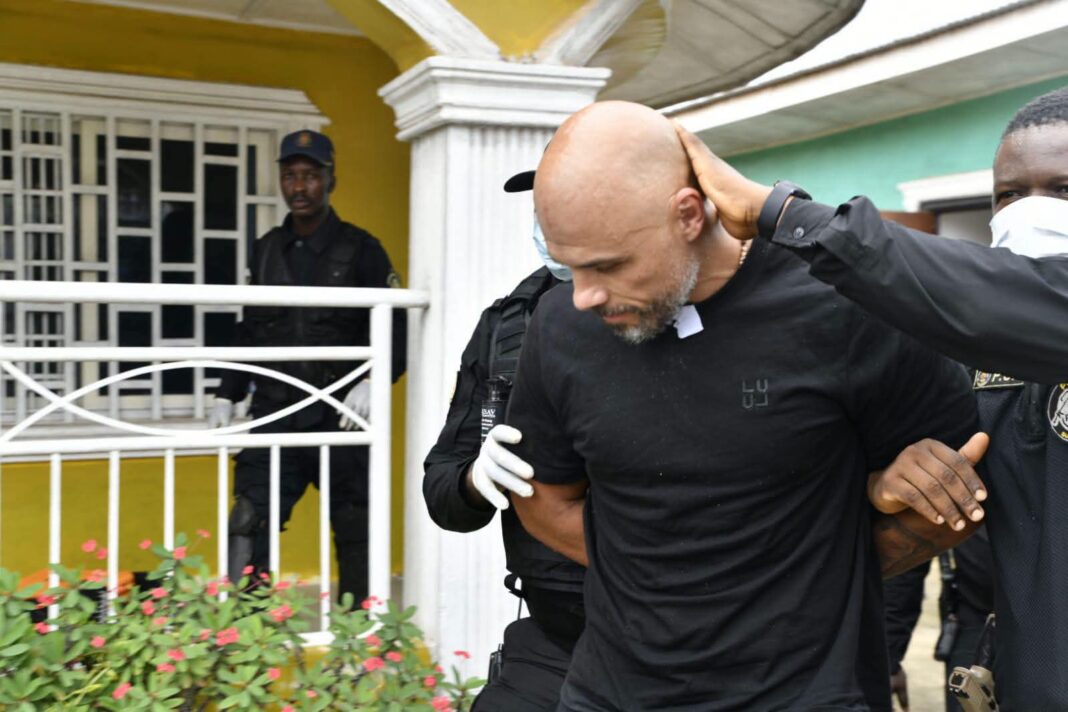
As part of the ruling, Judge Feika ordered the arrest of all 15 jurors involved in the case. The jurors were taken into custody and sent to the Monrovia Central Prison, while the matter was referred to the Ministry of Justice for possible prosecution based on findings of alleged misconduct.
The decision returns Tweah and his co-defendants to trial after they had previously been cleared by the jury. The court has ordered that the matter be retried before a new jury panel.
The court’s decision followed an investigation launched after allegations emerged that jurors violated strict sequestration instructions during the trial by possessing and using mobile phones while isolated from outside communication.
The investigation examined sworn statements from jurors, testimonies from lawyers representing both the prosecution and defense, and telecommunications records obtained from Orange Liberia and Lonestar MTN.
According to the court’s findings, phone records showed communications between some jurors and individuals outside the jury quarters during the period when they were prohibited from external contact.
The investigation concluded that some jurors breached their oath by engaging in outside communication and discussing aspects of the case before formal deliberations were authorized.
During the investigation, some jurors testified that mobile phones were brought into the jury quarters despite the court’s instructions prohibiting such devices.
Three jurors, including Catherine Quawah and Cynthia Sarplah, reportedly maintained that phones were present during sequestration.
Quawah testified that she arranged for her boyfriend, Abraham Karngbe, to purchase a phone that was later left at the courthouse bathroom. She said she retrieved the phone and brought it into the jury quarters.
She further alleged that phones belonging to fellow jurors, including Lucy Menyongai, Johnathan Bundoo, and Arnold Vincent, were used to communicate with people outside the jury quarters.
However, several jurors denied the accusations, insisting that no phones were used during sequestration.
The investigation report stated that those denials were contradicted by telecommunications records showing calls and messages involving jurors during the trial period.
Beyond the issue of phone use, the court found that some jurors discussed the case among themselves before formal deliberations were permitted.
Judge Feika ruled that such conduct violated the jurors’ oath and raised serious concerns about the fairness and impartiality of the trial process.
The court determined that the confirmed misconduct was significant enough to undermine the credibility of the jury’s decision and compromise the integrity of the proceedings.
As a result, the May 8 acquittal of Tweah and his co-defendants was overturned.
Meanwhile, the investigation dismissed allegations that prosecutor Cllr. Augustine Fayiah had an improper relationship with jury forelady Harriet Togba.
The court found no evidence to support the allegation, describing the claim as unsubstantiated.
However, Judge Feika maintained that the proven violations involving jury conduct were sufficient grounds to declare the previous trial a mistrial and order a new proceeding.
The ruling places the economic sabotage case involving Samuel D. Tweah Jr. and his co-defendants back before the court, with both the prosecution and defense expected to prepare for a fresh trial.
The case, which had attracted significant public attention because of Tweah’s former position as Finance Minister, now moves into another legal phase under a new jury panel.
The former minister has maintained his innocence throughout the proceedings, while the prosecution has continued to pursue allegations related to economic crimes.
The decision represents a major moment for Liberia’s justice system, raising renewed questions about the protection of jury independence, judicial integrity, and the enforcement of court instructions.
While the court’s findings focused on jury conduct and not on the guilt or innocence of Tweah and his co-defendants, the ruling highlights the serious consequences when the credibility of a criminal trial is compromised.
The Ministry of Justice is now expected to determine the next legal steps regarding the arrested jurors, while the court prepares for a new trial under a different jury panel.
The outcome of the retrial will likely be closely watched as Liberia continues to grapple with issues of accountability, corruption prosecution, and public confidence in the justice system.