By Socrates Smythe Saywon | Smart News Liberia
MONROVIA — A major legal development has unfolded in the economic sabotage case involving former Finance and Development Planning Minister Samuel D. Tweah, as Criminal Court “C” Judge Ousman F. Feika set aside the previous acquittal verdict and ordered a retrial after findings of alleged jury misconduct.
In a ruling delivered Tuesday, July 21, 2026, Judge Feika declared the earlier proceedings compromised and set aside the May 8, 2026 not-guilty verdict that had cleared Tweah and his co-defendants of charges brought against them.
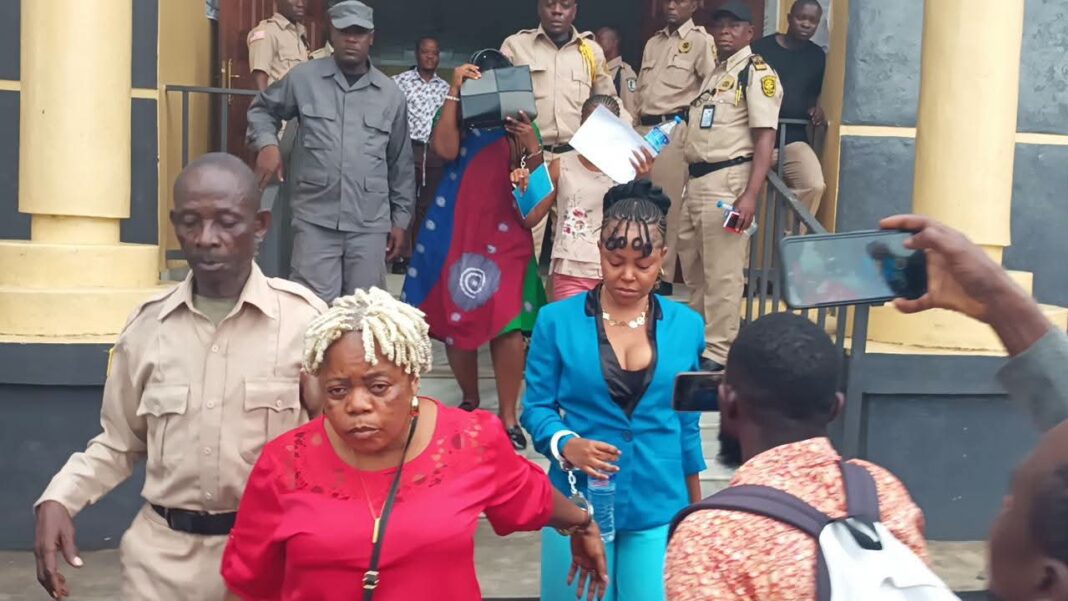
The court also ordered the arrest of all 15 jurors who served on the trial panel, directing that they be taken into custody and transferred to the Monrovia Central Prison as authorities investigate possible violations of their legal obligations.
The matter has now been referred to the Ministry of Justice for further action, including possible prosecution based on the court’s findings.
The ruling means Tweah and his co-defendants will face a new trial before a fresh jury panel, reopening a case that had appeared to have concluded with their acquittal.
According to the court’s findings, the integrity of the trial was undermined by alleged violations of jury sequestration rules, including claims that some jurors possessed and used mobile phones while isolated from outside communication.
The investigation reviewed sworn statements from jurors, submissions from both prosecution and defense lawyers, and telecommunications records obtained from mobile network operators Orange Liberia and Lonestar MTN.
The court said the records revealed communications between some jurors and individuals outside the jury environment during the period when external contact was prohibited.
Judge Feika determined that such actions violated the jurors’ oath and created serious concerns about whether the trial was conducted under conditions that guaranteed a fair and impartial verdict.
One juror, who spoke with journalists outside Criminal Court “C” after the ruling, appeared to acknowledge wrongdoing while reacting to the court’s decision.
Asked whether she was satisfied with the ruling, the juror responded, “Yes, I am satisfied because I am guilty,” before leaving the courthouse premises.
The allegations surrounding jury conduct also included claims that some jurors discussed the case before formal deliberations began and communicated with individuals outside the jury quarters.
During the proceedings, one juror, identified as Quawah, reportedly testified that she arranged for her boyfriend, Abraham Karngbe, to obtain a mobile phone that was later brought into the jury quarters after being placed at the courthouse.
She further alleged that phones belonging to other jurors were used to communicate externally.
The court’s decision has triggered strong reactions from Tweah, who has publicly criticized the ruling and expressed support for at least one juror involved in the case.
In a Facebook post, Tweah praised a juror identified as Amanda, describing her as a “freedom fighter” and suggesting that history would recognize her actions.
Tweah has also indicated that he does not intend to cooperate with any Supreme Court process and has instructed his legal team not to file proceedings before the nation’s highest court.
The Coalition for Democratic Change (CDC), Tweah’s political party, has also called for a non-compliance posture against the ruling.
The latest development places Liberia’s justice system under intense public attention as questions emerge over jury independence, courtroom procedures, and the balance between protecting the integrity of trials and respecting final verdicts.
For prosecutors, the ruling represents an opportunity to revisit a case they believe was affected by improper jury conduct. For Tweah and his supporters, the decision raises concerns about due process and the reversal of a verdict that had already cleared him.
As the case moves toward a new trial, the central issue remains whether the judicial system can restore confidence by ensuring that the next proceedings are free from interference and conducted strictly according to law.
Smart News Liberia will continue to follow developments in the case.