The recent confirmation of an Ebola virus case in Nigeria serves as a stark reminder for Liberia that the haunting memories of the 2014–2016 Ebola outbreak should never fade into the past.
These memories should act as a national alert, emphasizing the importance of preparedness and urging the Liberian government to take action before a health crisis escalates into a national disaster.
On October 20, 2026, it was reported that a female patient who had traveled from Uganda to Nigeria tested positive for Ebola after being admitted to a healthcare facility. She is currently in isolation and receiving treatment, while public health officials are tracing around 44 contacts, including fellow travelers and healthcare workers.
While this case is located in Nigeria, its repercussions are felt well beyond its borders. For Liberia, a nation that has experienced the severe human, economic, and social impacts of Ebola, this is the time to move past mere expressions of concern and showcase the robustness of its public health preparedness.
The pressing question is no longer whether Liberia should be vigilant. Instead, it is whether the country is truly ready to respond quickly, effectively, and transparently if the virus makes its way across its borders.
Liberia and Nigeria: A Relationship That Demands Vigilance
Nigeria is not just a distant destination for Liberians; the two nations have deep-rooted ties in commerce, education, professions, religion, and family. Liberians frequently travel to Nigeria for various reasons, including business, medical care, education, conferences, and more, while Nigerians also live, work, trade, and travel in Liberia. These connections are crucial and should not be compromised by fear.
Howbeit, they also provide pathways for infectious diseases to cross borders if proper surveillance and preventive measures are lacking.
Air travel intensifies this issue, as individuals can move between countries in a matter of hours, while symptoms of an infection might not appear until during or after their journey.
The recent case in Nigeria, involving a traveler from Uganda, highlights the necessity for public health preparedness to extend beyond the borders of the country where an infection is first identified.
For Liberia, this situation is a clear public health alert, although it should not imply that Ebola has been found within its borders. It’s essential to differentiate between being vigilant and succumbing to panic.
The reported case in Nigeria does not automatically mean Liberia is facing an outbreak, but the lack of confirmed cases in Liberia does not warrant complacency either.
The responsibility lies with the country’s health authorities to ensure that any potential threat is detected early, investigated swiftly, and contained before it escalates into a larger emergency.
A Nation That Cannot Afford To Forget
Liberia’s battle with Ebola stands as one of the most harrowing episodes in its recent history. The epidemic from 2014 to 2016 claimed thousands of lives, shattered families, overwhelmed healthcare systems, and disrupted the economy. Healthcare workers faced immense dangers, communities were engulfed in fear, and public trust in institutions was put to the test.
This outbreak revealed significant gaps in areas such as surveillance, laboratory capabilities, infection control, emergency response, and public communication. It also highlighted how swiftly misinformation, distrust, and slow responses can exacerbate a health crisis.
Howbeit, this challenging time also offered crucial insights. Engaging communities, isolating cases early, tracing contacts, ensuring reliable lab testing, implementing effective infection control measures, and maintaining open communication can be the key to preventing a small outbreak from escalating into a national catastrophe.
Liberia must not fall into the trap of believing that surviving Ebola once guarantees immunity from future outbreaks. Experience alone does not ensure preparedness. True readiness requires operational systems, trained staff, sufficient resources, dependable transportation, effective coordination, and the capability to respond promptly when a potential case arises.
The tragedy of Ebola lies not just in its lethality but in how preventable delays, poor preparation, and public skepticism can allow it to spread. Liberia has already paid a steep price; it cannot afford to make those mistakes again.
What Must Liberia Do Now?
The primary responsibility lies with the Ministry of Health and the National Public Health Institute of Liberia (NPHIL). These institutions need to act quickly to evaluate the implications of the case in Nigeria and assess whether our current preparedness measures are sufficient.
First, it’s crucial to enhance surveillance at all entry points. Health teams at Roberts International Airport, James Spriggs Payne Airport, and Liberia’s land borders must stay vigilant.
Authorities should revisit screening protocols, improve coordination with airlines and neighboring countries, and ensure that travelers who fit the criteria for investigation can be evaluated without delay.
Howbeit, screening must be based on evidence. Relying solely on temperature checks cannot definitively rule out Ebola, and random screening should not be confused with effective preparedness.
Public health officials need to utilize current risk assessments and established protocols, including proper referral, testing, and follow-up when necessary.
Second, it’s important to establish clear communication with Nigeria and regional health authorities. Liberia should actively seek timely updates from Nigerian health officials and collaborate with the World Health Organization and other relevant regional public health entities.
Authorities require accurate information regarding the patient’s travel history, exposure risks, and the status of contact tracing, all while maintaining medical confidentiality.
Liberia needs to reassess its travel-related public health protocols for individuals arriving from affected regions. Any additional actions should be based on epidemiological data and official health guidelines, avoiding assumptions or biases related to nationality.
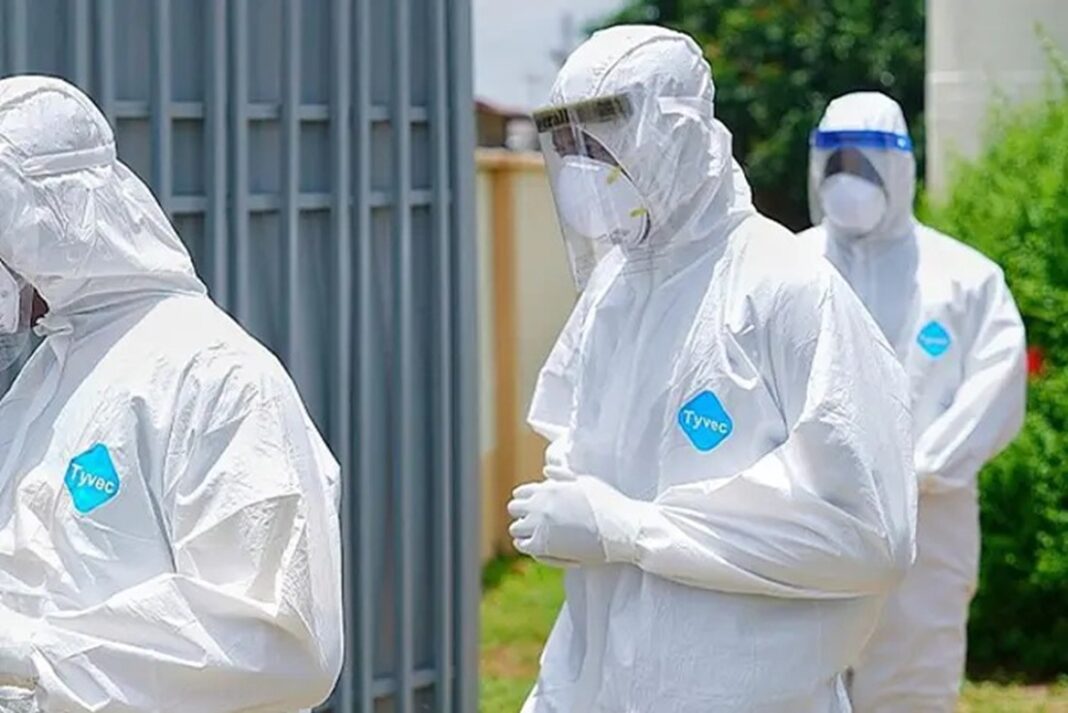
Third, it’s crucial to ensure that hospitals and frontline health workers are prepared. Medical facilities, including hospitals, clinics, and community health centers, must be equipped to identify a suspected Ebola case, alert the relevant authorities, safeguard both staff and patients, and facilitate safe testing and referrals. Before any urgent situation arises, it’s essential to evaluate the availability of personal protective equipment, infection-control supplies, laboratory capabilities, and emergency referral systems.
Health workers should be provided with clear instructions regarding current case definitions and the necessary protective measures.
It would be reckless to wait for a suspected case to emerge in Monrovia, Ganta, Gbarnga, Buchanan, or any other community before realizing that critical supplies are lacking or that referral processes are insufficient.
Fourth, it’s important to assess the capacity for contact tracing and emergency response. Liberia must determine if its surveillance teams can swiftly identify, reach, and monitor individuals who may have been exposed to an infectious case.
This situation calls for skilled personnel, dependable communication, transportation, laboratory assistance, and collaboration with the communities affected.
If the risk assessment reveals individuals who might have been exposed, health authorities should offer tailored advice and suitable monitoring.
It’s important not to promote isolation or stigma against those who have traveled through Nigeria or any other country.
Fifth, communities should be prepared through clear and consistent public education. The government needs to communicate what is known, what remains uncertain, and what actions citizens should take if they feel unwell or suspect they have been exposed.
People should be encouraged to seek timely medical advice and inform healthcare providers about their symptoms and any potential exposure.
Anyone with legitimate concerns should reach out to health authorities or a medical facility for guidance before venturing into crowded public areas.
Maintaining hand hygiene and routine cleanliness is important, but preventing Ebola goes beyond just using hand sanitizers and advising people to steer clear of crowds. It’s crucial for the public to receive clear and accurate information regarding how the virus spreads, the risks associated with exposure, safe healthcare practices, and the significance of adhering to guidance from qualified health professionals.
Most importantly, the government should strike a balance, steering clear of inciting unwarranted public fear while also avoiding misleading reassurances.
What is Expected of Liberians?
The responsibility of managing this situation cannot rest solely on the government. Citizens also play a crucial role in acting responsibly. Liberians who are traveling to or returning from Nigeria and other affected regions should adhere to official health guidelines, stay alert for any relevant symptoms, and seek immediate medical advice if they have genuine concerns about potential exposure.
It’s important for them to provide healthcare professionals with accurate information regarding their travel and exposure history.
Community members should refrain from sharing unverified information on social media, especially sensational claims suggesting that Ebola has already entered Liberia without any confirmation.
Religious leaders, market associations, transport operators, teachers, and community organizations can assist in spreading accurate public health information.
Employers and healthcare institutions should ensure that their workers are well-informed about the proper procedures for reporting illness and seeking help.
Above all, citizens must work together with legitimate public health directives while also demanding transparency and accountability from the authorities tasked with their safety.
While fear is a natural response, particularly for a population that has faced the horrors of Ebola, it is essential that this fear is channeled into vigilance rather than confusion.
Conclusion: Preparedness Must Come Before Panic
The confirmation of Ebola in Nigeria should not be seen as a disaster for Liberia, but rather as a serious warning that requires immediate attention and action.
Liberia has already faced the consequences of a dangerous disease compounded by fear, weak institutions, and inadequate emergency preparedness.
Citizens should never again have to question whether their government acted swiftly enough, if health workers had the necessary equipment, or if crucial information was delivered too late.
Now is the time for the Boakai administration, along with the Ministry of Health, NPHIL, and other relevant agencies, to show their readiness through tangible actions: enhancing surveillance, ensuring health facilities are prepared, training response teams, maintaining reliable supplies, coordinating regionally, and communicating honestly with the public.
Liberians must also resist complacency while avoiding panic. The relationship with Nigeria should be based on friendship, trade, travel, and regional collaboration. Howbeit, these connections necessitate constant vigilance. Safeguarding public health does not oppose cross-border relations; instead, it is a duty that enhances the safety of those relations.
Liberia cannot afford to wait for Ebola to enter its borders before taking steps to prepare.
The lesson from the last epidemic is clear: taking action early can save lives, building public trust enhances the response, and ignoring the situation or being complacent can lead to devastating consequences.
Currently, there have been no confirmed cases of the virus reported in Liberia based on the information available. This gives the country a chance to prepare rather than react out of desperation.
True leadership will be measured not by the strength of official statements, but by how ready the systems are to protect the people of Liberia.
Now is the time to get ready—before the first suspected case arises, before the public is alerted, and most importantly, before we face another national tragedy.