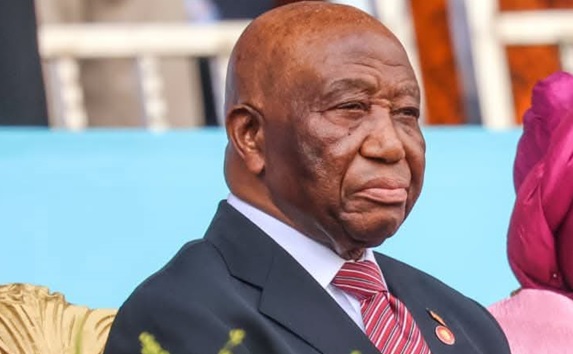
President Joseph Nyuma Boakai’s call for national unity at the National Prayer Breakfast on Friday, January 23, 2026, was delivered with solemnity, yet its meaning will ultimately be judged by actions rather than words. Yet in Liberia’s current political climate, such appeals risk becoming hollow rhetoric, ceremonial language divorced from the lived realities of exclusion, mistrust, and deliberate political fragmentation engineered by those in power.
Declaring unity as “the most important development tool” ignores a fundamental truth: development does not flow from speeches or prayers, but from policies rooted in fairness, accountability, and inclusion. Unity cannot be summoned while state institutions are selectively weaponized and national cohesion is undermined by uneven justice and partisan governance.
The symbolism of gathering in prayer before the President’s Annual Message may appear unifying, but symbolism alone does not heal a nation. When legislative agendas are shaped without broad consultation and dissenting voices are treated as threats rather than stakeholders, prayer becomes a convenient shield against hard political questions.
President Boakai’s assertion that unity accommodates differences is contradicted by the government’s own conduct. Differences are only tolerated when they are politically harmless. When criticism emerges from civil society, opposition figures, or independent voices, it is often met with intimidation, marginalization, or silence, hardly the practice of unity in diversity.
The President’s reliance on divine intervention as the explanation for Liberia’s survival through crises subtly shifts responsibility away from leadership. Liberia has endured not merely because of prayer, but because ordinary citizens have paid the price of elite failures through poverty, conflict, and systemic neglect while leaders evade accountability behind spiritual language.
Commending clergy and prayer partners while communities grapple with economic hardship, youth unemployment, and deepening inequality exposes the gap between moral appeals and material governance. Faith may comfort the people, but it cannot substitute for transparent leadership or competent economic management.
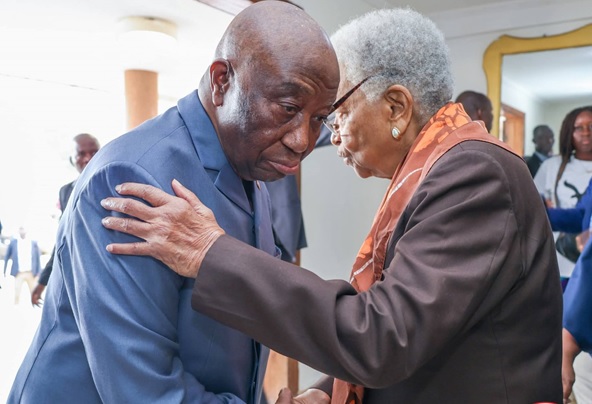
Former President Ellen Johnson Sirleaf’s thanksgiving for leadership and national survival raises uncomfortable questions about legacy. Gratitude without reflection risks whitewashing unresolved structural failures that continue to haunt Liberia—corruption, weak institutions, and entrenched elite privilege that successive administrations, including hers, failed to dismantle.
Her statement that national progress depends on collective responsibility conveniently dilutes the disproportionate power held by political elites. Ordinary Liberians already shoulder collective suffering; it is leadership that has failed to shoulder collective accountability for broken promises and squandered opportunities.
Calls for unity often emerge most loudly when trust is at its lowest. When citizens question government sincerity, unity becomes a talking point rather than a shared experience. Real unity is built through equitable policy outcomes, not elite consensus formed behind closed doors.
Speaker Richard Nagbe Koon’s proposal for a National Day of Prayer before the Annual Message risks institutionalizing symbolism over substance. Declaring prayer days does not reform a legislature often criticized for self-interest, bloated budgets, and weak oversight of the executive.
Spiritual reflection, while personally meaningful, cannot replace legislative courage. Liberia’s lawmakers are not short on prayers; they are short on bold action against corruption, fiscal indiscipline, and executive overreach. Without reform, prayer days risk becoming distractions rather than solutions.
Senate Pro Tempore Nyonblee Karnga-Lawrence’s appeal for leaders to “move within God’s plan” raises the issue of selective morality. If divine guidance is central, why does it not manifest in transparent appointments, fair audits, and respect for the rule of law?
Her hope that former leaders gathering together would symbolize unity ignores the public’s growing cynicism toward elite solidarity. When former and current leaders unite without addressing past wrongs, it signals protection of power, not reconciliation with the people.
The Chief Justice’s call for prayers for the judiciary unintentionally underscores institutional weakness. Justice should not depend on divine intervention alone but on judicial independence, courage, and insulation from political pressure, qualities many Liberians feel are increasingly compromised.
Asking citizens to pray for judges without addressing allegations of delayed justice, selective rulings, and political influence risks normalizing dysfunction. Faith should strengthen justice, not excuse its failures.
The National Prayer Breakfast, while inclusive in attendance, reflects an exclusive political culture where elites speak unity while governing division. The absence of frank dialogue on corruption, economic hardship, and state violence reveals the limits of elite-driven unity narratives.
In the end, unity proclaimed without justice enforced is merely performance. Liberia does not suffer from a lack of prayers; it suffers from a lack of principled leadership willing to confront power honestly. Until unity is reflected in action through equal justice, inclusive governance, and genuine accountability, calls for national togetherness will remain words spoken in halls of power, far removed from the lives of the people