By Socrates Smythe Saywon | Smart News Liberia
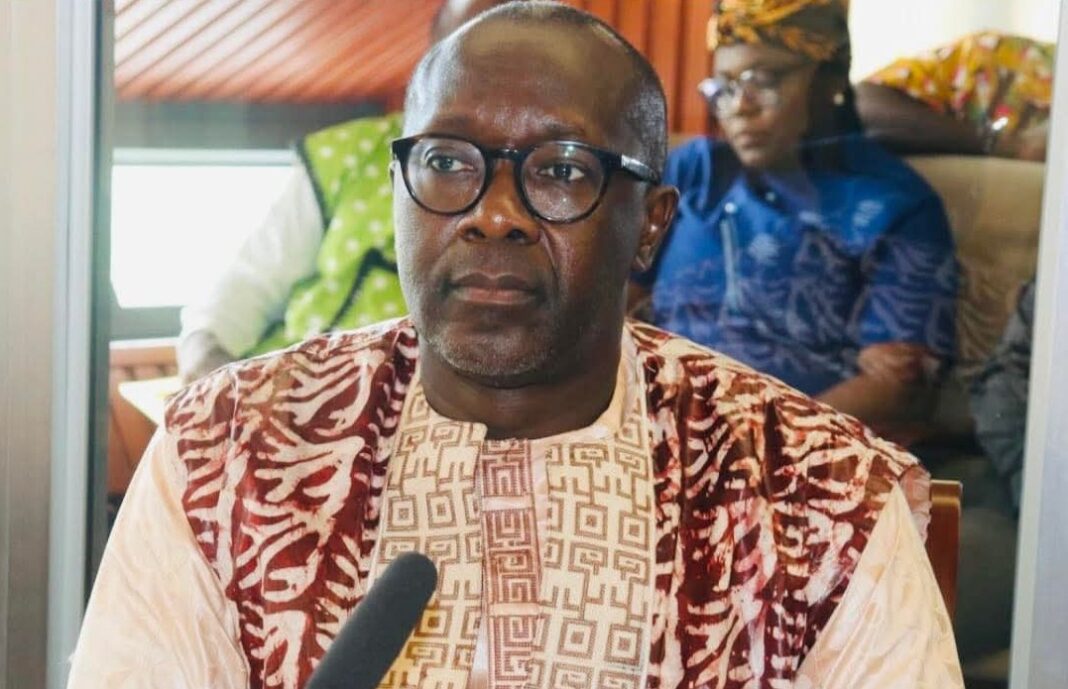
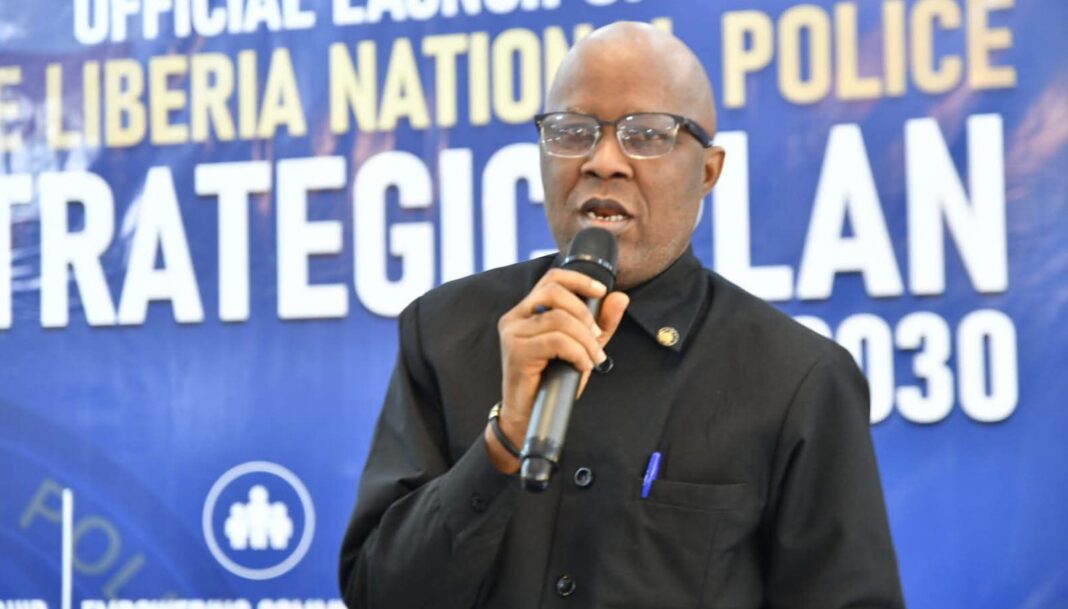
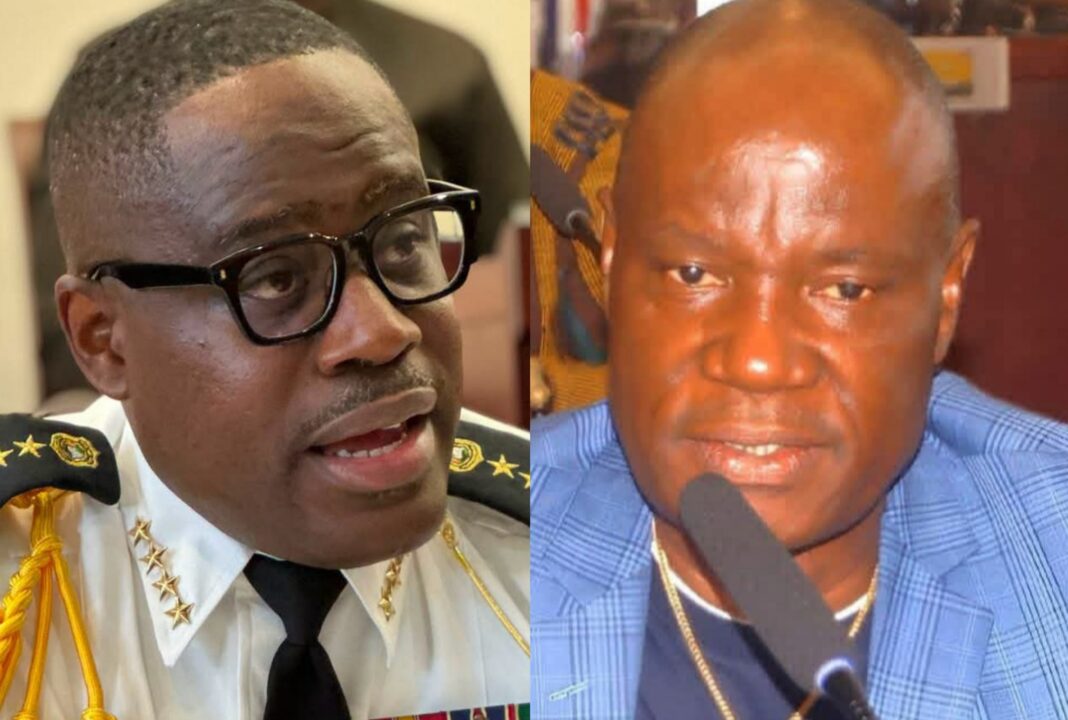
MONROVIA, LIBERIA – A tense Senate hearing on Wednesday, July 1, 2026, over the US$19.2 million cocaine seizure at Roberts International Airport escalated into a direct confrontation between Police Inspector General Gregory Coleman and Nimba County Senator Samuel Kogar, exposing deepening friction between Liberia’s legislative oversight authority and the country’s security leadership.
The hearing, which was intended to update lawmakers on the progress of the high-profile narcotics investigation, shifted sharply when Senator Kogar called for the immediate suspension of top security officials, including Inspector General Coleman, Liberia Drug Enforcement Agency (LDEA) Officer-in-Charge Fitzgerald T.M. Biago, and officials of the National Security Agency (NSA).
According to Kogar, such a move was necessary to preserve public confidence in the investigation.
“President Boakai must suspend Police Inspector General Gregory Coleman, OIC Biago, and NSA officials. That is the only way this investigation will be taken seriously. The Inspector General is shielding people here,” Kogar declared.
His remarks triggered an immediate and forceful response from Inspector General Coleman, who challenged the senator’s claim and demanded evidence to substantiate the allegation.
“Do you have evidence, Mr. Senator? You just talked loosely here…”
The remark instantly changed the atmosphere in the chamber, transforming what had been a procedural oversight hearing into a politically charged confrontation between two branches of government.
Senator Kogar reacted angrily, drawing the attention of fellow lawmakers to what he described as disrespectful language from the head of the Liberia National Police. The exchange intensified briefly before Senate leadership intervened to restore order.
Within minutes, senators instructed Inspector General Coleman to retract his statement and issue an apology to the lawmaker. He complied.
“Honorable Kogar, I want to apologize to you.”
While the apology restored procedural calm, it did little to mask the underlying institutional tension exposed by the exchange.
At the center of the dispute is the ongoing investigation into one of Liberia’s largest drug seizures in history, a case that has placed the country’s security institutions under intense scrutiny. The US$19.2 million cocaine bust at RIA has already triggered Senate oversight hearings, public criticism, and growing political pressure for arrests and prosecutions.
Senator Kogar’s call for suspensions reflects legislative concern that elements within the security establishment may compromise the integrity of the investigation. His position frames the issue as one of credibility, arguing that public trust cannot be secured while senior officials remain in charge of a case in which their own institutions are under suspicion.
However, Inspector General Coleman’s response raises a different institutional argument that allegations, especially in an active transnational criminal investigation, must be supported by evidence rather than political assertion.
From that standpoint, Coleman’s question was not merely a personal rebuttal but a defense of investigative integrity in a case involving complex intelligence operations, international linkages, and sensitive evidence collection.
The clash between the two officials therefore reflects more than a personal disagreement. It highlights a recurring governance dilemma in Liberia’s security and political architecture: how to balance robust legislative oversight with the operational independence of law enforcement agencies conducting sensitive investigations.
For some lawmakers, Kogar’s intervention represents legitimate oversight at a time when public confidence is fragile. For others, the call for immediate suspensions risks politicizing an investigation that requires stability and continuity to succeed.
The Senate hearing itself was convened amid growing public concern over delays in the cocaine investigation and the absence of major arrests. Lawmakers have repeatedly pressed Joint Security officials to clarify timelines, evidence handling, and the scope of institutional involvement in the trafficking network.
Despite the tension, Inspector General Coleman maintained that investigators have made significant progress, including moving individuals from “persons of interest” to “persons under suspicion,” and identifying institutional links connected to the shipment.
He also confirmed that several suspects are now required to report daily to police headquarters as part of ongoing investigative measures.
The Liberia Drug Enforcement Agency, represented at the hearing by Officer-in-Charge Fitzgerald T.M. Biago, also indicated that multiple individuals remain under investigation, including personnel linked to the Roberts International Airport intelligence structure.
Biago further disclosed that investigators are examining possible connections to earlier shipments that may have left Liberia, including consignments destined for the United Kingdom, suggesting a broader trafficking network beyond the RIA seizure.
As the Senate continues its oversight role, the confrontation between Coleman and Kogar underscores the political sensitivity surrounding the case and the pressure on security institutions to demonstrate both competence and transparency.
Beyond the immediate exchange, however, the incident raises broader questions about Liberia’s governance framework under pressure:
Can lawmakers demand accountability without crossing into operational interference?
Can security agencies maintain professional independence while under intense political scrutiny?
And how can public trust be preserved when the institutions tasked with enforcing the law become subjects of suspicion themselves?
The US$19.2 million cocaine case has already become a defining test of Liberia’s anti-narcotics response capacity. But the Senate confrontation suggests it is also becoming a test of something deeper, the stability of relations between the executive’s security apparatus and the legislature’s oversight authority.
For now, the apology from Inspector General Coleman has closed the procedural chapter of the clash. But the political and institutional questions it exposed remain very much open.