
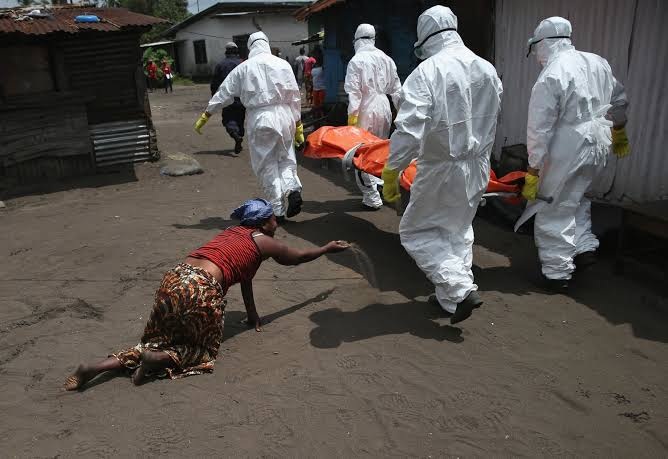
Liberia has received a serious warning. The Ministry of Health has made its stance clear. A travel advisory has been put in place.
With the haunting memories of the 2014–2016 Ebola epidemic still fresh in the minds of many, the nation is confronted with a troubling question: Have we truly learned from our past to avert another public health disaster?
On October 21, 2026, the Ministry of Health released Travel Advisory No. 02 in light of the changing Ebola Virus Disease situation in the region.
The measures are extensive: travelers arriving from or passing through the Democratic Republic of the Congo (DRC) must undergo mandatory self-isolation for 21 days, while those from or transiting through Uganda, Kenya, and Nigeria will face daily health monitoring for the same duration.
Additionally, screening processes at airports, land borders, and seaports will be enhanced.
The message is clear. Liberia is taking proactive steps against a potential threat that cannot be overlooked, even if the country has not reported any confirmed cases in the latest updates.
Howbeit, issuing an advisory is just the first step. The true challenge lies in how well these measures are executed.
For a nation that has faced one of the most severe public health crises in its history, the consequences of inadequate responses, administrative errors, or plans that look good on paper but fail in practice are far too weighty.
Liberia cannot afford to wait for Ebola to enter its borders to find out if its defenses are robust enough.
The Ghost of Ebola and the Price of Complacency
There are certain national tragedies that time cannot fully erase, and for Liberia, Ebola is one of them. The epidemic from 2014 to 2016 took thousands of lives, shattered families, disrupted businesses, overwhelmed healthcare facilities, and left profound emotional scars in communities.
Healthcare workers found themselves on the front lines against an enemy they were often unprepared to face. Families mourned their loved ones, and communities grappled with fear and uncertainty.
The economy took a hit as everyday life was thrown into disarray.
This experience imparted a painful lesson to Liberia: an outbreak is not just a medical issue; it is a national crisis that tests leadership, public trust, institutional readiness, and the government’s capacity to safeguard its citizens.
The pressing question now is whether those lessons have been transformed into effective systems that can function when they are most needed.
Are surveillance teams prepared? Are health facilities sufficiently equipped? Can laboratories provide timely testing? Are there trained personnel ready to respond to suspected cases? Can contact tracing be initiated swiftly? Do officials have the necessary transportation, protective gear, and emergency resources to contain a threat before it spreads?
These are not distant policy questions; they require immediate answers. Liberia cannot afford to mistake surviving Ebola for being permanently shielded from it.
The 21-Day Measures: The Necessary Test of Preparedness
The Health Ministry’s decision to implement a 21-day self-isolation requirement for travelers arriving from or transiting through the DRC, along with daily monitoring for those coming from Uganda, Kenya, and Nigeria, places a heavy burden on public health authorities.
It’s crucial to note the difference in these measures. The advisory specifically mandates self-isolation for travelers from or passing through the DRC, while it only requires daily monitoring for the other three nations.
These are distinct actions, and officials need to communicate and execute them effectively.
But how will the government ensure that these measures are followed? Who will be responsible for daily monitoring? How will travelers be reached and evaluated? What plans are in place for individuals who do not have reliable phone access or suitable facilities for self-isolation? How will health authorities react if a traveler shows symptoms? And what resources have been allocated to maintain these measures throughout the entire 21-day period?
These are practical inquiries, not challenges to the government’s decision. A surveillance form alone cannot halt a virus. A temperature check cannot definitively prove that a traveler is infection-free.
An advisory cannot safeguard the public unless it is supported by trained personnel, clear procedures, and sufficient resources.
Therefore, the government must show that the announced measures are backed by operational capabilities. Otherwise, the country risks giving the impression of being prepared without actually having the necessary substance.
The Ministry has also indicated that the advisory will be reviewed regularly. This is an important aspect, as public health measures need to adapt to new evidence.
Authorities should explain the rationale behind any changes and ensure that restrictions remain appropriate to the assessed risk.
Nigeria, Uganda, Kenta, and the DRC: Why Liberia Must Pay Attention
Liberia’s ties with other African nations highlight the importance of regional surveillance. Many Nigerians live, work, and conduct business in Liberia, while Liberians frequently travel to Nigeria for various reasons, including commerce, education, healthcare, religious activities, and family visits.
Similar interactions also occur between Liberia and countries like Uganda, Kenya, and the DRC. These connections are crucial and should not lead to discrimination, suspicion, or hostility towards travelers from specific nationalities.
Howbeit, international travel can facilitate the spread of infectious diseases across borders before they are detected.
The advisory from the Ministry emphasizes the importance of considering travel histories and potential exposure risks. The recent Ebola case reported in Nigeria has raised major concerns, making this issue particularly pertinent.
However, just because a case exists in another country does not mean that Ebola has entered Liberia, nor does it imply that every traveler from the affected country has been exposed.
The right approach is to avoid both complacency and panic. Instead, we should focus on risk-based surveillance, timely sharing of information, effective screening, and collaboration among public health authorities.
Liberia needs to keep open lines of communication with its regional partners and relevant international health organizations.
Additionally, it is essential to ensure that travelers are aware of the requirements that apply to them both before and upon their arrival.
Public health vigilance should never serve as a justification for stigmatizing innocent individuals.
The Government Must Move Beyond Announcements
The Boakai administration is now tasked with a crucial public health challenge: transforming the Health Ministry’s written guidelines into a practical national response.
The Ministry of Health, along with the National Public Health Institute of Liberia, needs to work together to implement these guidelines, set up clear reporting systems, and ensure that frontline workers are fully aware of their roles.
At Roberts International Airport, as well as other airports, land border crossings, and seaports, screening teams must receive proper training and be well-equipped. Travelers suspected of carrying an infectious disease should be managed according to established protocols that safeguard both their health and that of the public. Hospitals and clinics need to be ready to identify potential cases, protect healthcare workers and patients, inform the relevant authorities, and facilitate appropriate referrals and testing.
The government should also evaluate whether there is sufficient protective equipment, laboratory capacity, transportation, and emergency funding available.
Any identified gaps must be addressed without delay. The public deserves consistent and trustworthy updates regarding the implementation of health advisories, including the status of health services and any changes in the perceived threat level.
Officials should communicate verified information, recognize uncertainties, and swiftly correct any misinformation.
A government should not gauge its preparedness by the number of advisories it issues, but rather by the effectiveness of its institutions in responding to threats as they arise.
The public needs to see that the nation’s defenses go beyond mere official statements.
The Hotlines Must Work When People Need Them
The Ministry of Health has urged travelers to report any symptoms of Ebola or other infectious diseases to the nearest health facility or to call the toll-free numbers 4455 and 5888. While this instruction is crucial, it also places a responsibility on the authorities.
The hotlines need to be fully operational, well-staffed, and capable of guiding callers to the right assistance.
Those who answer the calls should possess accurate information and have clear procedures for escalating suspected cases.
The government should publicly verify that these numbers are active and clarify what callers can expect when they reach out for help.
Additionally, citizens should receive straightforward guidance on symptoms, potential exposure, and the necessary steps to take if they become ill.
They shouldn’t have to depend on social media rumors or unverified voice messages during a public health crisis. Effective communication is essential for outbreak prevention; it is a fundamental part of the response.
When people have access to trustworthy information and confidence in the institutions providing it, they are more likely to comply with public health measures.
Conversely, when communication is unclear or inconsistent, it can lead to fear and the spread of misinformation.
Citizens Have Responsibilities, Too
The government alone cannot stop an outbreak through official measures. Travelers need to fill out surveillance forms honestly, adhere to the relevant requirements, and work with health professionals.
Anyone who shows concerning symptoms or thinks they might have been exposed should seek medical advice quickly and share accurate details about their travel and exposure history.
Citizens are encouraged to practice good hygiene, follow public health guidelines, and refrain from spreading unverified rumors about potential infections.
Community leaders, religious organizations, schools, transport providers, and the media should communicate the advisory in clear language.
They should also work to prevent discrimination against travelers and residents based on their nationality or origin.
The public needs to stay alert, but that vigilance should be based on facts. Not every fever indicates Ebola, not every traveler from an advisory-listed country is infected, and not every rumor about an outbreak is accurate.
Acting responsibly means taking credible risks seriously without allowing uncertainty to breed widespread fear.
The Human and Economic Stakes Are Too High
An uncontrolled Ebola outbreak could put immense strain on Liberia’s already stretched public health system. It might disrupt trade and travel, burden public resources, impact livelihoods, and erode trust in essential services.
The repercussions would ripple through homes, markets, schools, workplaces, and communities. Healthcare workers could face increased risks, while families may suffer from loss, financial difficulties, and emotional turmoil.
These potential scenarios highlight the urgent need for prevention. However, they shouldn’t be framed as unavoidable results of the current advisory.
The goal of preparedness is to minimize the chances that a potential threat escalates into a disaster.
Therefore, the government must find a careful balance: taking decisive action to safeguard public health while ensuring that its strategies are based on evidence, proportionate, and clearly communicated.
Liberia’s past experiences should lead to readiness, not ongoing fear.
The Final Test: Will Liberia Be Ready?
The Ministry of Health has issued a warning, detailing the 21-day monitoring arrangements. Travelers have received instructions, and the public is encouraged to seek help through designated health facilities and hotlines.
Now comes the more challenging aspect. Will these measures be applied consistently? Will frontline workers have the resources they need? Will the hotlines be responsive? Will travelers get clear guidance? Will the government communicate openly if circumstances change? And will public health institutions work together effectively instead of in isolation?
These questions will ultimately determine how valuable the advisory is in practice. Liberia’s history underscores the urgency, but history alone won’t safeguard the nation.
Only through effective institutions, informed citizens, regional collaboration, and ongoing preparedness can this be achieved.
The government must ensure that this advisory does not become just another document that grabs headlines today and is forgotten tomorrow.
Its recommendations need to be put into action, monitored for effectiveness, and adjusted as necessary based on new evidence.
At the same time, citizens should avoid turning a public health alert into a source of fear. The country requires a calm urgency: serious enough to prepare, disciplined enough to adhere to the evidence, and transparent enough to maintain public trust.
Liberia has received a warning, not a final judgment. The nation still has a chance to prepare before a potential threat escalates into a national emergency.
The memory of the last Ebola epidemic shouldn’t just be used to scare the public. Instead, it should push the government to show what improvements have been made since that time.
The true test of this response won’t be how forcefully the Ministry of Health speaks or how strict the travel regulations are. It will hinge on Liberia’s ability to identify a threat early, safeguard its healthcare workers, provide care for those in need, and avert unnecessary suffering.
For Liberia, the message is straightforward: the time to evaluate the country’s readiness is before a crisis hits—not after the first lives are lost.