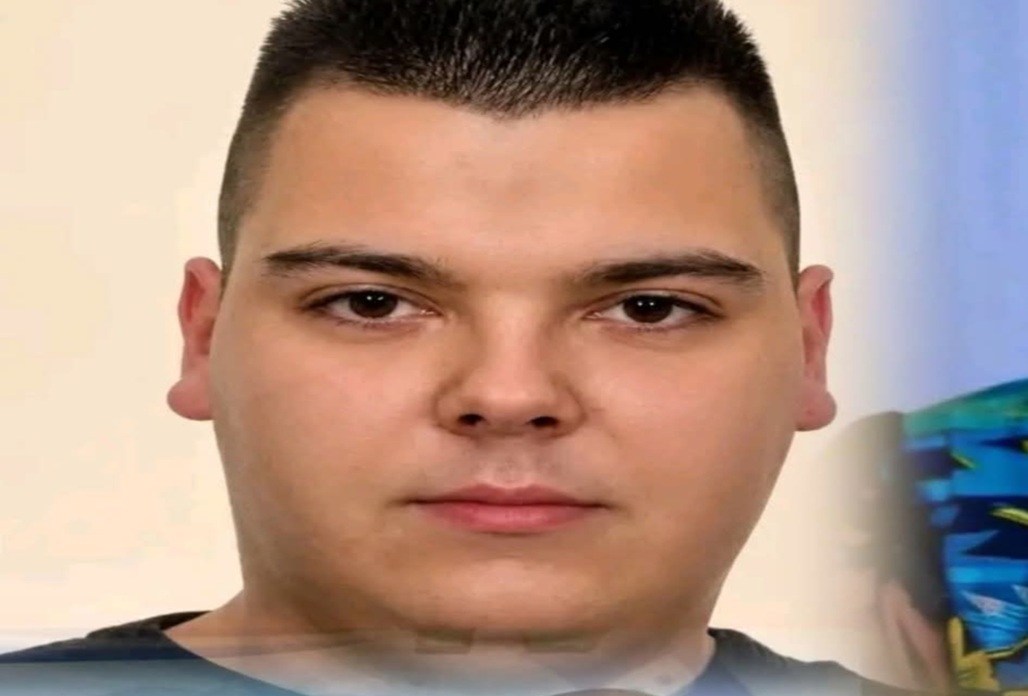
FREETOWN / AMSTERDAM — The Dutch Public Prosecution Service has dramatically increased its reward for information leading to the arrest of convicted international cocaine trafficker Jos Leijdekkers, raising the amount tenfold from €200,000 to an unprecedented €2 million.
The announcement, made Monday, November 2, places renewed international attention on Sierra Leone, where Dutch investigators say the 35-year-old fugitive has been residing for several years. Dutch authorities say they have known of his alleged presence in the country since mid-2024.
Leijdekkers, also known as “Bolle Jos” or “Chubby Jos,” is reportedly known in Sierra Leone by the name Omar Sheriff. He is considered by Dutch authorities to be a major figure in international cocaine trafficking and one of Europe’s most wanted fugitives.
The Dutch government says the increased reward is intended to secure decisive information that will make his arrest possible. The reward is available to anyone whose information directly leads to his capture.
24-YEAR DUTCH SENTENCE, 79 YEARS IN BELGIUM
Leijdekkers was sentenced in absentia by a Rotterdam court on June 25, 2024, to 24 years in prison for six drug shipments involving nearly seven tonnes of cocaine, an armed robbery in Finland, and ordering a murder.
He has also received a 79-year prison sentence in Belgium. Dutch authorities estimate that he earned tens of millions of euros through cocaine trafficking and say investigations into other suspected criminal activities remain ongoing.
The Dutch prosecution service has also linked him to suspected money laundering and serious violence, allegations that form part of wider investigations.
SIERRA LEONE UNDER INTERNATIONAL SCRUTINY
The case has become a major diplomatic and law-enforcement concern. The Netherlands has sought Leijdekkers’ extradition, but Dutch authorities say Sierra Leone has not cooperated with the request.
Sierra Leonean authorities have denied allegations that the country is providing protection for the fugitive. However, the Dutch announcement that investigators have known of his suspected residence in Sierra Leone since 2024 raises serious questions about the progress of efforts to secure his arrest.
The European Union has also reduced some assistance to Sierra Leone amid concerns surrounding the case, according to reports.
The central question is no longer simply where Leijdekkers may be hiding, but whether international law-enforcement cooperation can produce his arrest and prevent a convicted international criminal from evading justice.
For Sierra Leone, the matter carries significant implications for its international reputation, relations with European partners, and commitment to combating organized crime.
PUBLIC URGED TO PROVIDE INFORMATION
The Dutch authorities say information can be submitted confidentially through a special police investigative team. They are particularly interested in information about Leijdekkers’ whereabouts and travel movements that could create an opportunity for his arrest.
Reward: €2,000,000
Dutch Police tip-off number: +31 6 38 88 44 93
Email: tips-jos@politie.nl
The Dutch prosecution service says information can be provided in any language and that the identity of informants will be kept strictly confidential, including from Sierra Leonean authorities.
The increase from €200,000 to €2 million represents a significant escalation in the international effort to capture Leijdekkers.
For West Africa, the case is another reminder that international cocaine trafficking is not merely a European security problem. It can have serious consequences for governance, public institutions, financial integrity, and the rule of law in countries where suspected criminal networks operate.
The question facing authorities is whether this unprecedented reward will finally lead to the arrest of one of Europe’s most wanted fugitives.